The West Bengal Assembly has passed two amendment bills to restructure the state’s OBC reservation framework. The legislation removes 113 communities added during the previous regime, citing a lack of empirical data, and restores the reservation quota to 7%. The bills also mandate that future list modifications require commission inquiries.
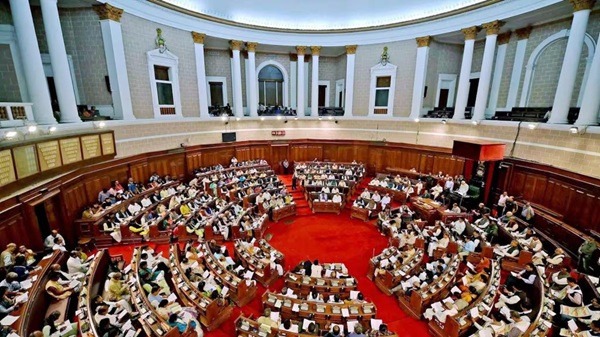
KOLKATA — The West Bengal Legislative Assembly passed two significant amendment bills on Monday, June 29, 2026, aimed at restructuring the state’s Other Backward Classes (OBC) reservation policy. The legislation marks a definitive shift in the state’s administrative approach to affirmative action, reversing expansion measures implemented during the previous Trinamool Congress (TMC) regime.
The two newly passed bills—the West Bengal Backward Classes (Other than SC and ST) Reservation of Vacancies in Services and Posts (Amendment) Bill, 2026, and the West Bengal Commission for Backward Classes (Amendment) Bill, 2026—were introduced by Backward Classes Welfare Minister Gouri Shankar Ghosh. The Assembly approved the measures with 186 votes in favor and 17 against, while six members abstained from voting.
Restructuring the Reservation Framework
The primary objective of this legislative overhaul is to align the state’s OBC reservation criteria with recent directives from the Calcutta High Court. According to Minister Gouri Shankar Ghosh, the previous government had added 113 communities to the state’s OBC list without conducting the necessary empirical field surveys.
Under the newly passed framework, the government will retain 66 communities that had been included following formal surveys. The 113 caste groups added under the TMC-era 2012 Act have been removed from the statutory list. This move effectively restores the OBC reservation quota to 7%, a reduction from the 17% quota established under the former administration.
Empowering the Backward Classes Commission
The second piece of legislation, the West Bengal Commission for Backward Classes (Amendment) Bill, 2026, significantly strengthens the oversight powers of the commission. The bill mandates that any future inclusions or exclusions of communities in the OBC list must be based on comprehensive inquiries and recommendations by the commission, rather than unilateral government decisions.
Proponents of the bill, including BJP legislators, argued that the previous regime’s expansion of the OBC list was politically motivated and lacked socio-economic justification. They alleged that the earlier list had disproportionately favored certain minority communities at the expense of other groups, a claim that prompted long-standing legal challenges.
Legislative Proceedings and Opposition
The floor of the Assembly witnessed intense debate during the proceedings. While the bills were passed by a majority, opposition legislators, including ISF MLA Naushad Siddique, formally demanded a division of votes, marking a rare departure from the tradition of passing government bills by voice vote.
The political atmosphere was further characterized by a walkout led by a faction of Trinamool Congress MLAs. Conversely, other TMC legislators participated in the voting process, highlighting internal divisions within the party regarding the reservation issue.
Why It Matters
For citizens, job applicants, and students in West Bengal, this policy change represents a significant shift in the criteria for accessing government-sponsored quotas. The restructuring of the OBC list is expected to have far-reaching implications for state government employment and admissions in higher education institutions. By emphasizing empirical data and the statutory role of the Backward Classes Commission, the state government aims to create a more standardized and legally defensible reservation system that complies with constitutional mandates.
Key Facts at a Glance
Legislative Action: Two amendment bills passed to restructure OBC reservation laws.
Quota Revision: The OBC reservation quota has been restored to 7%, reverting from the previous 17%.
List Cleanup: 113 communities added during the 2012–2026 period have been removed from the OBC list for lack of empirical survey data.
Commission Role: The Backward Classes Commission is now empowered to conduct inquiries and advise the government on all future list modifications.
Vote Count: The bills passed with 186 votes in favor, 17 against, and six abstentions.
FAQ
What is the primary goal of these new bills?
The bills aim to overhaul the state’s OBC reservation framework to ensure it is based on empirical socio-economic data and adheres to judicial directives.
Will this impact SC or ST reservations?
No, the government has explicitly stated that the reservation lists and quotas for Scheduled Castes (SC) and Scheduled Tribes (ST) remain completely unchanged.
How will new communities be added to the OBC list in the future?
Under the new law, the West Bengal Backward Classes Commission will examine applications, conduct inquiries, and provide recommendations to the state government, which will then consider the findings.
Source: West Bengal Legislative Assembly Proceedings, Backward Classes Welfare Department, News Arena