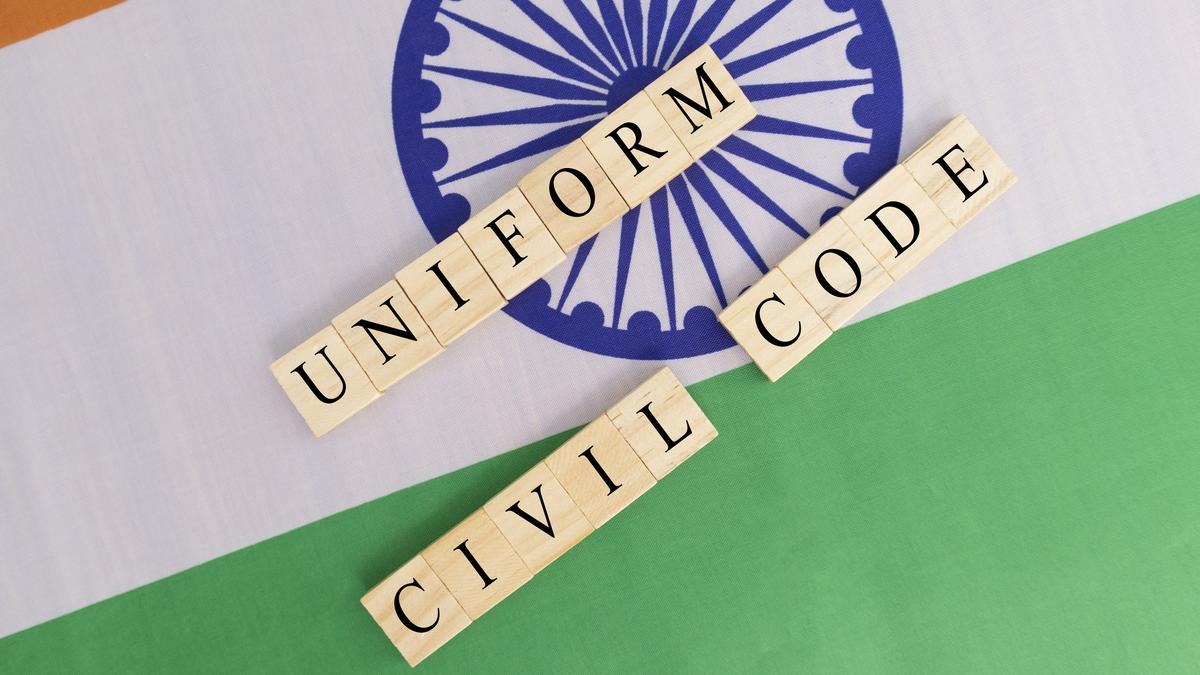
The West Bengal government has formed a nine-member panel, led by retired Justice Ranjana Prakash Desai, to review the draft Uniform Civil Code (UCC) Bill. Tasked with reporting in four weeks, the committee aims to pave the way for the bill’s introduction in the state assembly this August.
The state government has initiated a formal legislative process to scrutinize the Uniform Civil Code (UCC) draft, aiming to replace religion-based personal laws with a unified legal framework by August.
KOLKATA — The West Bengal government has officially constituted a nine-member expert committee to examine the draft Uniform Civil Code (UCC), West Bengal, 2026. This move marks a significant step in the state’s commitment to implement a common civil law governing personal matters, a central pledge made by the Bharatiya Janata Party (BJP) during its recent election campaign.
The committee, chaired by retired Supreme Court judge Justice Ranjana Prakash Desai, has been granted a four-week window to conduct a comprehensive review of the proposed legislation. The panel’s recommendations will be vital for finalizing the bill before it is presented to the state legislative assembly, with government officials signaling that they intend to introduce the legislation in August.
Legislative Objectives and Scope
The proposed Uniform Civil Code seeks to harmonize laws regarding marriage, divorce, inheritance, adoption, and succession. Currently, these matters are governed by separate personal laws for different religious communities, including Hindus, Muslims, Christians, and others. The state government aims to replace these disparate frameworks with a single, common legal code.
Chief Minister Suvendu Adhikari has emphasized that the drafting process will involve a meticulous study of existing models, including those from Uttarakhand, Gujarat, and Assam. The state intends to create a localized framework that addresses West Bengal’s unique demographic challenges while ensuring the legislation remains constitutionally sound. Indigenous communities are expected to remain outside the purview of the bill, in line with constitutional protections.
Expert Committee Composition
The nine-member panel brings together legal, administrative, and social expertise to ensure the draft is robust. The committee includes:
Justice Ranjana Prakash Desai (Retd.): Chairperson, bringing extensive experience from similar UCC panels in other states.
Tathagata Roy: Former Governor of Meghalaya.
Administrative and Legal Experts: Including resident commissioners, retired IAS officers, and high court advocates.
Academic and Social Representatives: Including former university vice-chancellors and anthropology experts.
The panel is tasked with inviting public suggestions and conducting a deep dive into existing personal laws to identify areas where uniformity can be achieved without infringing upon personal rights.
Official Sources
According to an official government notification, the committee was formed to address the "wide ramification and voluminous nature" of the subject. Urban Development and Municipal Affairs Minister Agnimitra Paul confirmed that the cabinet approved the committee’s formation on July 2, 2026, following the Chief Minister’s formal announcement in the Assembly on June 29. The government has maintained that the process will be transparent, with the committee actively engaging with NGOs, political representatives, and the public.
Why It Matters
For citizens, the transition to a Uniform Civil Code represents a fundamental shift in how personal life events—such as marriage, inheritance, and succession—are managed. Supporters argue the move will foster gender parity and equality, while critics and various political factions have raised concerns regarding the potential impact on cultural and religious diversity. The implementation will likely set a major legal precedent for the state.
Key Facts at a Glance
Panel Timeline: The nine-member committee has four weeks to submit its final report and recommendations.
Legislative Schedule: The government plans to table the final UCC Bill in the state assembly during the August session.
Scope: The law will cover marriage, divorce, maintenance, succession, and potentially live-in relationship registrations.
Exemptions: Indigenous and tribal communities are proposed to remain outside the ambit of the UCC.
FAQ Section
Who is heading the review panel? The committee is chaired by retired Supreme Court judge Justice Ranjana Prakash Desai.
Will the UCC affect all religious groups? The proposed law aims to provide a common civil framework for all residents, though tribal communities are slated to be exempt.
When will the bill be introduced? The government aims to present the bill in the state assembly this coming August.
Can the public provide input? Yes, the committee is expected to invite suggestions and representations from citizens and NGOs.
Source:
The Hindu | Times of India | LawBeat