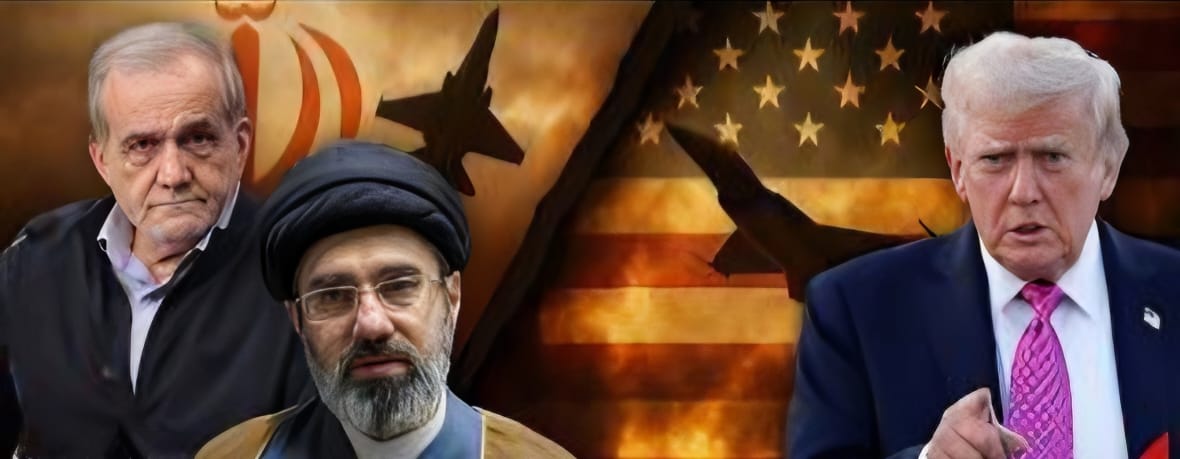
A renewed Israel-Iran conflict is exposing the long-term consequences of former President Donald Trump’s 2018 withdrawal from the Iran nuclear deal. The decision dismantled diplomatic safeguards, escalated regional tensions, and now complicates US efforts to manage rising hostilities in the Middle East.
The escalating confrontation between Israel and Iran is not just a regional flashpoint—it is also a test of past US foreign policy decisions. As tensions intensify, the ripple effects of Washington’s earlier strategic shifts are becoming increasingly evident.
Background Of The 2018 Withdrawal
In 2018, Donald Trump unilaterally withdrew the United States from the Joint Comprehensive Plan of Action, an agreement designed to limit Iran’s nuclear program in exchange for sanctions relief. The move aimed to pressure Tehran into renegotiating stricter terms but instead triggered a steady breakdown in diplomatic engagement.
Escalating Tensions In The Middle East
Since the withdrawal, Iran has gradually scaled back its nuclear commitments, increasing uranium enrichment levels and reducing international oversight. The current Israel-Iran conflict has further intensified these risks, with fears that Tehran could accelerate toward nuclear capability under wartime pressure.
Strategic Challenges For The US
The absence of a binding nuclear agreement has left the US with fewer diplomatic tools to de-escalate tensions. Washington now faces a dual challenge: supporting Israel while preventing a broader regional war. Rebuilding trust with Iran is significantly harder given the precedent of exiting the deal.
Impact On Global Security And Energy Markets
The conflict has wider implications beyond geopolitics. Rising instability in the Middle East threatens global oil supply chains, increases energy prices, and heightens uncertainty in international markets. The lack of a nuclear framework amplifies concerns among global powers.
Key Highlights
- US exit from Iran nuclear deal weakened long-term diplomatic leverage
- Iran has expanded nuclear activities since 2018
- Israel-Iran conflict is intensifying regional instability
- US faces limited options to contain escalation
- Global energy markets are reacting to geopolitical uncertainty
What Lies Ahead
As tensions continue to rise, policymakers are revisiting the consequences of abandoning multilateral agreements. The unfolding crisis underscores the importance of sustained diplomacy in managing nuclear risks and maintaining regional stability.
Sources: Reuters, BBC, Al Jazeera, The New York Times