U.S. President Donald Trump signed executive orders targeting birthright citizenship and banning "birth tourism". The directives aim to restrict automatic citizenship for specific groups and tighten visa vetting for pregnant travelers. This follows a Supreme Court ruling upholding birthright protections, prompting immediate criticism and anticipated legal challenges from civil rights groups.
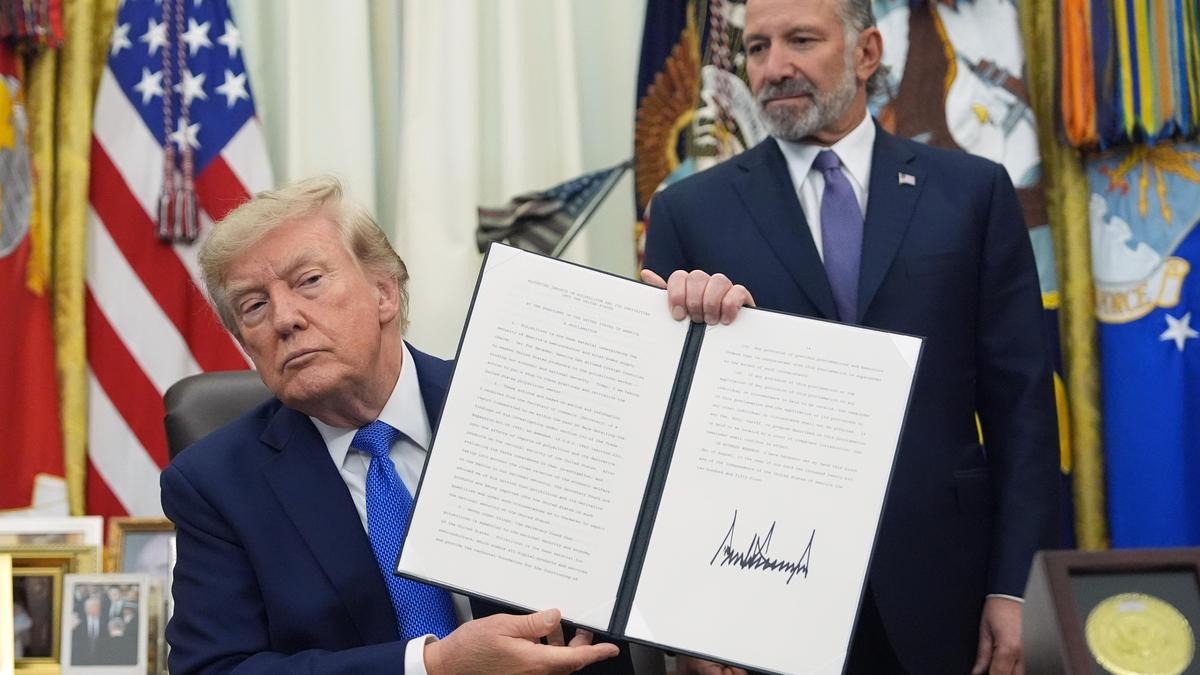
WASHINGTON — U.S. President Donald Trump signed two executive orders on Thursday, August 6, 2026, targeting birthright citizenship and formally cracking down on commercial practices associated with "birth tourism". The signing ceremony, held in the Oval Office, follows a series of high-profile legal battles over immigration and introduces new screening parameters for consular officers handling visitor visa applications.
The policy development arrives weeks after the U.S. Supreme Court ruled against a broader administration directive aimed at withholding automatic citizenship from children born to temporary or undocumented residents. By narrowing the scope of targeted groups and focusing heavily on foreign travel intended to secure American nationality, the White House seeks to test existing interpretations of the Fourteenth Amendment.
Scope of the New Executive Actions
The newly signed directives are divided into two distinct administrative actions. The first executive order identifies specific categories of children born on U.S. soil who will not be entitled to automatic birthright citizenship. According to the White House, these restrictions apply to children of individuals classified as alien enemies, members of designated foreign terrorist organizations, and certain foreign government employees or lobbyists.
The second executive order directs the Department of State and the Department of Homeland Security to eliminate the practice of birth tourism. Under these guidelines, U.S. consular officers are instructed to implement stricter visa screening protocols and deny temporary visitor visas to applicants suspected of traveling primarily to give birth on American soil.
Legal Context and Background
The debate over birthright citizenship centers on the interpretation of the Citizenship Clause of the Fourteenth Amendment, which has historically guaranteed citizenship to nearly all individuals born within the jurisdiction of the United States, with narrow exceptions such as the children of foreign diplomats or occupying enemy forces.
On June 30, 2026, the U.S. Supreme Court issued a 6-3 ruling that voided the administration's initial attempt to deny automatic citizenship to children born to parents without permanent legal status. Chief Justice John Roberts emphasized in the court's opinion that the constitutional protections extend broadly to all persons born on U.S. soil. White House officials maintain that the new executive orders are drafted to operate within historical exceptions recognized by the judiciary, though legal scholars and advocacy groups argue the directives attempt to bypass the high court's precedent.
Impact on Travelers and Consular Processing
The practical implications of the directives will primarily affect individuals applying for short-term B-1/B-2 visitor visas. Consular processing desks abroad face heightened mandates to evaluate the primary intent of pregnant applicants or those traveling close to their due dates.
Legal experts note that individuals residing in the United States on authorized long-term work visas, such as H-1B, L-1, or O-1 permits, remain unaffected regarding their children's constitutional right to citizenship, as they are legally established residents rather than short-term visitors engaging in targeted travel. However, increased scrutiny during visa interviews may lead to extended processing times across various consular posts.
Official Sources Section
Information regarding the implementation and legal justification of these policies is drawn from official announcements released by the The White House, statements issued by White House officials during the Oval Office signing ceremony, and records from the Supreme Court of the United States.
"We had a very unfortunate decision in the Supreme Court concerning birthright," President Trump stated during the Oval Office briefing. "So we're making adjustments because it's very unfair... People are building businesses around it. That's not the way it's supposed to work."
Representing the administration's legal framework, White House Deputy Chief of Staff Stephen Miller noted that the measures leverage executive authority to target commercialized travel operations. Conversely, organizations such as the American Civil Liberties Union (ACLU) asserted that the orders violate constitutional guarantees. According to the ACLU's Immigrants' Rights Project, any executive attempt to alter birthright citizenship will face immediate challenges in federal court.
Why It Matters
The administrative measures redefine enforcement priorities at international consulates and test the executive branch's authority over visa issuance and nationality rules. For international travelers, prospective visa applicants, and legal entities monitoring immigration policy, the directives signal a tightening of border controls and set the stage for subsequent judicial battles over the scope of the Fourteenth Amendment.
Key Facts at a Glance
Directives Signed: U.S. President Donald Trump signed two executive orders on August 6, 2026, targeting birthright citizenship rules and foreign birth tourism.
Visa Restrictions: The Department of State and Department of Homeland Security are instructed to deny visitor visas to individuals suspected of traveling primarily to give birth in the U.S.
Targeted Exceptions: The orders seek to disqualify children of alien enemies, designated terrorists, and certain foreign government personnel from automatic citizenship.
Legal Background: The actions follow a June 30, 2026 Supreme Court ruling affirming broad birthright citizenship protections under the Fourteenth Amendment.
FAQ Section
Do these executive orders affect children of H-1B visa holders born in the U.S.?
Current legal analyses indicate that children born in the U.S. to parents on valid work visas, such as H-1B or L-1 permits, continue to receive standard birth certificate documentation and remain eligible for citizenship under constitutional protections, as they are legal residents rather than temporary birth tourists.
What defines "birth tourism" under the new order?
Birth tourism refers to the practice of foreign nationals traveling to the United States on temporary visitor visas with the primary intent of giving birth on American soil so that their child acquires U.S. citizenship.
How are consular officers enforcing the ban?
Consular staff are directed to closely examine visitor visa applications where there is an indication that the applicant's primary purpose for traveling to the United States is to obtain citizenship for a child, resulting in potential visa denials or requests for supplemental documentation.
Will these executive orders face legal challenges?
Civil rights organizations, including the American Civil Liberties Union (ACLU), have announced plans to challenge the directives in federal court, arguing that they conflict with the Fourteenth Amendment.
Source: The White House, Supreme Court of the United States, American Civil Liberties Union