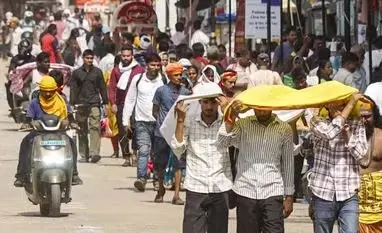
Recent data show people in Himachal Pradesh tend to live longer than those in neighbouring Punjab and Haryana, even though they share language, food traditions and history. On paper, the gap looks small a few extra years of life expectancy but it reflects deeper differences in air, work, stress and how everyday life is structured in the hills versus the plains.
Himachal now sits among the better performing states on life expectancy, with both men and women living longer on average than many of their counterparts in the north Indian plains. Punjab does reasonably well, but Haryana lags, and both have seen their lifespans dented noticeably by air pollution. Himachal, by contrast, benefits from cleaner air, lower urban density and a slower, less industrialised growth path that has not yet extracted the same environmental price.
Air, Altitude And Daily Movement
In the simplest terms, people in Himachal spend their lives breathing better air and walking more. Hill geography makes daily movement built in, not optional: reaching a bus stop, market, school or field often means climbing slopes, not just stepping into a scooter or car. That low intensity, everyday activity is exactly what public health researchers keep prescribing for heart health and metabolic fitness. Add to that far fewer days of choking smog than the plains, and you get a long term advantage on cardiovascular and respiratory disease risk that does not show up in any one year, but accumulates over decades.
Food, Stress And Social Infrastructure
Lifestyle is only part of the story. Himachal has, over time, invested in relatively better access to primary health centres, schooling and basic services across its scattered villages, nudging up survival and quality of life indicators. The state’s economy, still heavily dependent on agriculture, horticulture, tourism and government jobs, tends to produce less extreme stress around land, crime and hyper competitive urbanisation than many pockets of Punjab and Haryana. In the plains, rapid industrialisation, higher rates of alcohol and substance abuse, road accidents and prolonged exposure to polluted air have all been flagged as life expectancy drags. Culturally, extended family networks and community ties exist in all three states, but the slightly slower, less traffic clogged pace of hill life gives those protective factors more room to work.
Longevity Takeaways
- Cleaner air and less industrial pollution in the hills support better lung and heart health
- Built in walking and physical labour in daily routines keeps Himachalis more active
- Public health and education outreach has been relatively strong for a small hill state
- Faster urbanisation, pollution, accidents and lifestyle diseases weigh more heavily on Punjab and Haryana
Sources: State level life expectancy data and analyses on Himachal Pradesh, Punjab and Haryana; reports on air pollution and lifespan loss in north India; public health and lifestyle research on how environment and everyday activity patterns shape longevity