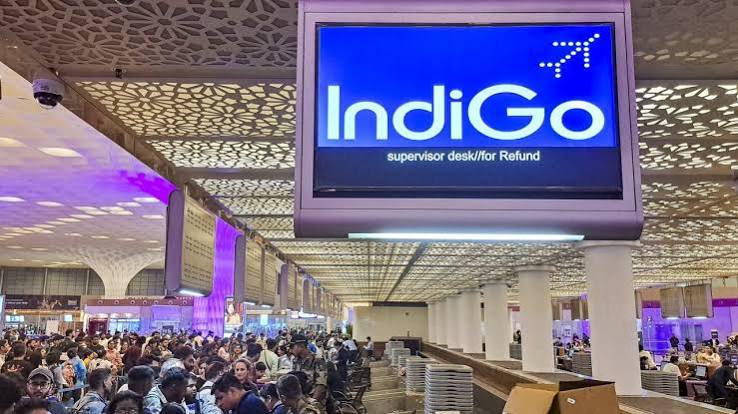
India's largest airline, IndiGo, operated by InterGlobe Aviation Limited, is expanding its international route network, describing India as its primary fort for global expansion. Driven by incoming long-range Airbus A321XLR and A350-900 aircraft orders, the low-cost carrier aims to connect non-stop routes between Indian metros and international destinations.
GURUGRAM, India — InterGlobe Aviation Limited, the parent company of India's leading carrier IndiGo, announced an aggressive scaling of its international flight operations on Friday, July 31, 2026. Chief Executive Officer Pieter Elbers described India's rapidly expanding aviation market as the airline's "fort," providing the structural foundation needed to capture a larger share of non-stop international passenger traffic connecting South Asia to Europe, Asia, and the Middle East.
Speaking during quarterly investor briefings and corporate announcements, management outlined strategic deployment plans for upcoming deliveries of long-range narrowbody Airbus A321XLR and widebody A350-900 aircraft, marking a fundamental shift from regional operations toward long-haul global connectivity.
Leveraging Domestic Dominance for International Scaling
IndiGo currently commands over 60% of India's domestic aviation market, operating a fleet of more than 350 aircraft connecting major metros, state capitals, and Tier-2 regional hubs. The airline’s extensive feeder network gives it a distinct operational advantage over foreign carriers competing for Indian outbound transit passengers.
| Strategic Metric | Operational Baseline | Long-Term Target |
| Domestic Market Share | ~60% dominant position | Sustained domestic market leadership |
| Fleet Size | 350+ operational aircraft | 600+ aircraft scheduled by 2030 |
| International Route Ratio | ~27% of total capacity | Target 33%–40% international capacity share |
| Fleet Additions | Airbus A320neo / A321neo family | Airbus A321XLR & Airbus A350-900 widebody jets |
By funneling passengers from smaller domestic airports through primary transit hubs in Delhi, Mumbai, Bengaluru, and Hyderabad, IndiGo plans to maintain high seat load factors on direct international routes. Company leadership emphasized that high domestic traffic density acts as a protective economic moat against volatile international passenger cycles.
Fleet Induction: Long-Range A321XLR and Widebody A350 Orders
The carrier's international expansion strategy hinges on scheduled fleet deliveries from European planemaker Airbus. The introduction of the extra-long-range Airbus A321XLR allows IndiGo to serve medium-haul destinations across Western Europe, East Asia, and Southern Africa without requiring layovers in traditional Gulf transit hubs.
Furthermore, IndiGo’s firm order for 30 Airbus A350-900 widebody aircraft—with purchase rights for 30 additional jets—represents its first formal entry into twin-aisle long-haul intercontinental travel. The widebody fleet will enable direct flights to North America, Europe, and Australia, directly challenging established international legacy carriers.
Market Context and Competitive Dynamics
Historically, a significant portion of international passenger traffic originating from India has been carried by foreign hub carriers operating through the Middle East and Southeast Asia. The Ministry of Civil Aviation has encouraged Indian airlines to build direct international hubs within the country to retain aviation economic value locally.
IndiGo’s international push coincides with intense rivalry from a consolidated Air India group under Tata Sons, which is also inducting dozens of widebody aircraft. Industry analysts note that dual competition between domestic giants will expand direct non-stop flight options for Indian travellers, reducing total travel times and reliance on overseas layovers.
Operational Impact on Travelers, Businesses, and Investors
The international fleet expansion introduces tangible practical outcomes for air travel stakeholders:
For Passengers and Travelers: Direct non-stop flights to European and Asian destinations reduce journey times and lower layover disruptions.
For Business and Export Trade: Expanded belly-hold cargo capacity on international flights speeds up freight transit for pharmaceuticals, electronics, and perishables.
For Institutional Investors: Higher international yield margins provide revenue diversification, protecting earnings against domestic fuel price fluctuations and local fare competition.
Official Sources Section
According to official administrative announcements, corporate releases, and regulatory filings:
Quote Section
According to official executive updates and corporate disclosures:
"According to officials, IndiGo considers India its operational fort, using its dominant domestic feeder network to build direct, non-stop international routes that connect domestic hubs to global financial centers."
Why It Matters
Building robust international aviation hubs inside India is a central goal for the nation's transport sector. By transitioning from a regional low-cost carrier into an intercontinental airline, IndiGo retains passenger revenues within the domestic economy, strengthens direct trade routes, and elevates India's role in global commercial aviation.
Key Facts at a Glance
Strategic Focus: IndiGo identifies India as its core operational "fort" for driving global expansion.
Fleet Order: Induction of long-range Airbus A321XLR and widebody Airbus A350-900 aircraft.
Market Position: Operates over 60% of domestic Indian market share, providing unmatched passenger feed.
Target Reach: Direct non-stop routes to Europe, East Asia, the Middle East, and intercontinental markets.
Frequently Asked Questions (FAQ)
What does IndiGo mean by calling India its "fort"?
The phrase refers to IndiGo's strong domestic network and market dominance in India, which acts as a secure platform and feeder system to support new international routes.
Which new aircraft is IndiGo introducing for international routes?
IndiGo is inducting long-range Airbus A321XLR narrowbody aircraft and twin-aisle Airbus A350-900 widebody jets designed for long-haul intercontinental flights.
How will this expansion affect international air travel from India?
The strategy increases direct, non-stop flight choices from Indian cities to international destinations, cutting down transit times previously spent at foreign layover hubs.
Where can investors review official financial disclosures for IndiGo?
Investors can view official regulatory notifications on the portals of BSE Limited, the National Stock Exchange of India, and IndiGo Investor Relations.
Source: IndiGo / InterGlobe Aviation Limited, National Stock Exchange of India, BSE Limited