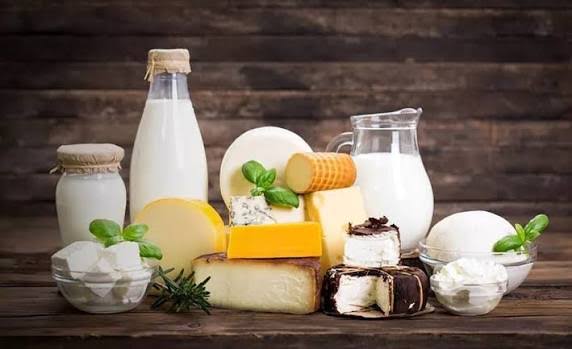
Value-added milk-based drinks are emerging as a high-growth frontier in India’s fast-moving consumer goods (FMCG) sector. Driven by protein awareness, convenience, and expanded cold-chain networks, major dairy players like Amul and Mother Dairy are rapidly scaling high-protein milkshakes, probiotic lassis, and localized flavored dairy beverages.
MUMBAI — Value-added milk-based drinks have emerged as one of the fastest-growing sub-segments within India's Fast-Moving Consumer Goods (FMCG) and dairy landscape, driven by rising consumer health awareness, urbanization, and rapid expansion in cold-chain logistics.
According to market analysis from the Department of Animal Husbandry and Dairying and industry trackers including Mordor Intelligence, India's overall dairy market—valued at over $31.9 billion in 2026—is undergoing a structural shift toward ready-to-drink (RTD) functional beverages. Major dairy cooperatives, including the Gujarat Cooperative Milk Marketing Federation (GCMMF / Amul) and Mother Dairy, alongside global beverage corporations, are increasing capital expenditure in UHT (Ultra-High Temperature) processing plants, micro-fulfillment hubs, and specialized packaging lines. The category’s expansion is fueled by rising urban demand for high-protein milkshakes, fermented probiotic drinks, and localized flavored milk variants, positioning dairy beverages as a primary growth driver within non-alcoholic drinks.
Consumer Shift Toward Protein-Rich and Clean-Label Beverages
The surge in demand for packaged milk-based drinks marks a clear transition away from carbonated soft drinks toward functional nutrition. Updated dietary guidelines and broader wellness awareness have spurred consumer preference for beverages offering 12 to 15 grams of protein per serving.
To address this shift, major FMCG players have diversified beyond traditional liquid milk sales into high-margin segments including protein-fortified milkshakes, cold coffee formulations, active probiotic lassis, and botanical-infused milk options.
The growth of milk-based drinks growth frontier models allows processors to achieve substantially higher operating margins compared to price-regulated, low-margin liquid pouch milk.
Cold-Chain Expansion and Quick-Commerce Delivery Channels
A key catalyst behind the retail scaling of packaged dairy beverages is the technological upgrade of urban micro-fulfillment networks and quick-commerce dark stores.
Historically, the shelf life and temperature sensitivity of liquid dairy limited wide distribution. However, modern aseptic packaging (Tetra Pak formats) combined with temperature-monitored dark store infrastructure operated by platforms such as Blinkit, Instamart, and Zepto has reduced product spoilage rates from over 8% to under 2%.
Retail distribution data indicates that quick-commerce hubs in metropolitan areas now stock 120 to 150 specialized dairy SKUs—a significant expansion compared to the 40 to 60 SKUs typically maintained by traditional kirana outlets.
The ongoing expansion of the milk-based drinks growth frontier has prompted regional and national dairy processors to secure dedicated shelf space across hypermarkets, convenience stores, and digital delivery applications.
Impact on Dairy Farmers, Manufacturers, and Consumers
The growth in packaged milk beverages yields direct structural impacts across the agricultural and retail value chain:
Dairy Farmers and Cooperatives: Increased demand for high-fat and high-protein raw milk provides stable procurement prices for smallholder dairy farmers across rural milk unions.
FMCG Manufacturers: Provides a higher-margin product buffer that offsets volatile raw fodder costs and seasonal fluctuations in raw milk yields.
Consumers and Office Commuters: Offers convenient, on-the-go nutritional options as alternatives to high-sugar carbonated beverages and synthetic energy drinks.
Packaging and Logistics Providers: Drives investment in eco-friendly carton packaging, aseptic bottling lines, and temperature-controlled logistics networks.
Official Sources Section
According to official statistics from the Department of Animal Husbandry and Dairying, India maintains its standing as the world's largest milk producer, with annual output exceeding 239 million tonnes.
Financial disclosures from the Gujarat Cooperative Milk Marketing Federation (Amul) and regulatory updates from the Food Safety and Standards Authority of India (FSSAI) confirm that value-added consumer products now represent the fastest-growing revenue segment across major domestic cooperatives.
Quote Section
"The beverage market in India is undergoing a fundamental transformation. Consumers are increasingly seeking functional nutrition, higher protein content, and trusted clean-label formulations over conventional sugary drinks," stated senior dairy industry executives during an FMCG briefing.
According to officials at the Ministry of Fisheries, Animal Husbandry and Dairying, "Value addition in the dairy sector is critical to enhancing farmer realizations, reducing post-harvest wastage, and meeting the nutritional requirements of an expanding urban population."
Why It Matters
The emergence of the milk-based drinks growth frontier demonstrates how traditional agricultural commodities can be repurposed into high-value consumer goods. By connecting smallholder dairy production with modern aseptic processing and quick-commerce supply chains, the Indian beverage sector is creating an economically resilient framework that supports rural farmer incomes while satisfying modern consumer demands for healthy, convenient nutrition.
Key Facts at a Glance
Market Trajectory: Dairy beverages represent a primary growth vector within India's $31.9 billion dairy market.
Key Drivers: Rising protein awareness, urban convenience, and clean-label dietary preferences.
Logistics Impact: Quick-commerce dark stores cut cold-chain dairy spoilage rates from 8% down to under 2%.
Leading Players: Amul, Mother Dairy, Nestlé India, and regional private dairies lead UHT milkshake and functional lassi rollouts.
Frequently Asked Questions (FAQ)
What are milk-based drinks?
Milk-based drinks are ready-to-drink (RTD) non-alcoholic beverages formulated using liquid milk or dairy derivatives, including flavored milk, protein milkshakes, drinkable yogurts, probiotic lassis, and cold coffees.
Why are milk-based drinks growing faster than traditional carbonated drinks in India?
Growth is driven by increasing health consciousness, rising demand for protein-rich diets, preference for natural ingredients over artificial additives, and widespread availability through cold-chain quick-commerce platforms.
How does aseptic packaging benefit the dairy beverage industry?
Aseptic packaging (such as Tetra Pak) allows liquid dairy products to remain shelf-stable at room temperature for extended periods without added chemical preservatives, making distribution far more efficient across diverse geographic markets.
Source: Department of Animal Husbandry and Dairying, Food Safety and Standards Authority of India, Press Information Bureau