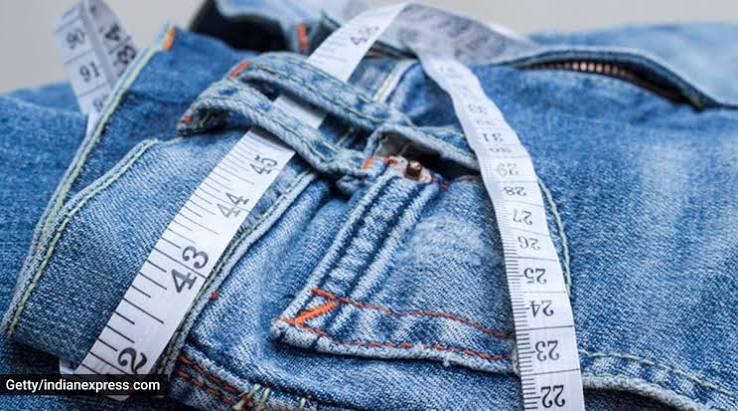
India's Ministry of Textiles is finalizing a national standardized apparel sizing framework to establish uniform clothing measurements nationwide. Developed using anthropometric data from over 25,000 individuals scanned by NIFT, the initiative introduces familiar alphabetical labels (S, M, L) to eliminate fit inconsistencies across domestic and international clothing brands.
NEW DELHI — The Ministry of Textiles, in coordination with the National Institute of Fashion Technology (NIFT), is in final-stage discussions to roll out a nationwide standardized apparel sizing framework. Disclosed on Thursday, July 30, 2026, the regulatory initiative aims to establish uniform clothing measurements across domestic and global garment manufacturers operating in India. By adopting intuitive, familiar alphabetical size designations—including S (Small), M (Medium), and L (Large)—the government seeks to resolve longstanding size disparities that complicate shopping experiences for millions of consumers.
Anthropometric Data and the INDIAsize Research Base
The foundation of the standardized sizing framework rests on the extensive "INDIAsize" anthropometric study conducted by NIFT under the sanctioned Research and Development Scheme of the Ministry of Textiles. Researchers gathered comprehensive body measurement data from more than 25,000 men and women aged 15 to 65 across six key geographical centers: New Delhi, Mumbai, Chennai, Hyderabad, Kolkata, and Shillong.
Using non-contact, human-safe 3D whole-body scanning technology, the study captured precise volumetric and proportion metrics tailored specifically to native Indian physiques. Historically, apparel retailers in India relied on imported sizing templates from the United States, United Kingdom, or Europe, which failed to account for regional differences in shoulder width, torso length, and waist-to-hip proportions.
Industry Alignment and Standardization
A dedicated task force comprising Ministry of Textiles officials, retail executives, and textile manufacturing representatives is currently defining acceptable tolerance limits and measurement ranges within each size category. Government representatives emphasized that the focus is on creating a standard that offers maximum consumer familiarity rather than introducing complex numerical coding.
By establishing clear guidelines for size variations, the Ministry of Textiles aims to ensure that a "Medium" shirt or garment yields identical, predictable dimensions across different retail labels and e-commerce platforms.
Impact on E-Commerce and Supply Chains
The introduction of uniform clothing measurements directly targets the high product return rates affecting India's fast-growing apparel e-commerce market. Industry estimates indicate that fit mismatches account for a vast majority of online garment returns, driving up inventory holding fees and reverse logistics expenses for fashion retailers.
Standardized sizing is expected to lower supply chain operational costs, boost consumer confidence in digital storefronts, and expand market access for domestic textile exporters aligning with unified national standards.
Official Sources Section
Details regarding the national sizing framework and technical survey methodologies are derived from official disclosures published by the Ministry of Textiles, research documentation released by the National Institute of Fashion Technology, and industry position briefs from the Clothing Manufacturers Association of India.
Quote Section
"According to officials from the Ministry of Textiles, sizes have been fixed under the proposed framework, and focus has turned to defining acceptable variation within each category to ensure consistency across all brands operating in the country."
Why It Matters
For everyday shoppers, standardized apparel sizing eliminates guesswork when purchasing clothing from different retailers, whether in physical stores or online. For garment manufacturers and e-commerce platforms, uniform measurements cut financial losses associated with product returns and streamline manufacturing parameters across the retail ecosystem.
Key Facts at a Glance
Regulatory Lead: Ministry of Textiles in collaboration with NIFT.
Survey Methodology: 3D whole-body scanning of over 25,000 participants across six regions.
Size Designations: Alphabetical labeling including Small (S), Medium (M), and Large (L).
Core Objective: Eliminate fit disparities between apparel brands and reduce online return rates.
FAQ Section
What is the purpose of India's new standardized apparel sizing?
The framework establishes uniform clothing measurements tailored specifically to Indian body types, eliminating size inconsistencies between different apparel brands.
How were the measurements determined for the size chart?
The measurements were derived from 3D whole-body scanner data collected from over 25,000 individuals across six major cities in India during the NIFT-led "INDIAsize" survey.
Will clothing labels use numbers or letters?
The framework focuses on familiar alphabetical sizing labels-such as S, M, and L-to ensure widespread consumer familiarity and adoption.
How does uniform sizing benefit online apparel shoppers?
By ensuring that size labels remain consistent across all manufacturers, standard sizing reduces fit mismatches, making online clothing orders more reliable and significantly cutting down on return requests.
Source: Ministry of Textiles, National Institute of Fashion Technology, Clothing Manufacturers Association of India