




Loading market data...
ADVERTISEMENT

Latest Top News

Will Election Season In West Bengal Impact Bengaluru’s Construction Workforce Dynamics?
Thousands of migrant workers from West Bengal employed in Bengaluru’s construction sector are returning home to cast their votes. This temporary exodus is expected to slow down ongoing projects, disrupt timelines, and highlight the dependence of India’s urban infrastructure growth on migrant labor.
Stay Ahead – Explore Now! Jet Stream: Rafale Talks Advance as India Demands Local Production
ADVERTISEMENT

Latest Updates

Mercedes-Benz India Steers Past Headwinds to Fuel...
15 Jun 2026, 11:45 PM
Sanon’s Andheri Asset Action: Family Bags ₹4.6 Cr...
15 Jun 2026, 11:42 PM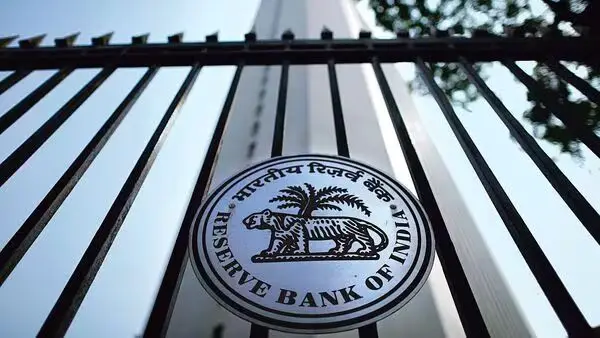
Banking on Trust: RBI Bans Coercive Bundling and A...
15 Jun 2026, 11:39 PM
AI Over the Hill: Gemini Picks Winner in Summer Tr...
15 Jun 2026, 11:36 PM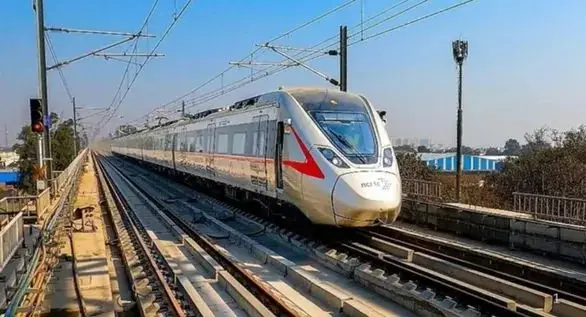
Track to Uttarakhand: Namo Bharat Expansion Nears...
15 Jun 2026, 10:18 PMADVERTISEMENT

Top Stories
Mercedes-Benz India Steers Past Headwinds to Fuel...
15 Jun 2026, 11:45 PM
Sanon’s Andheri Asset Action: Family Bags ₹4.6 Cr...
15 Jun 2026, 11:42 PM
Banking on Trust: RBI Bans Coercive Bundling and A...
15 Jun 2026, 11:39 PM