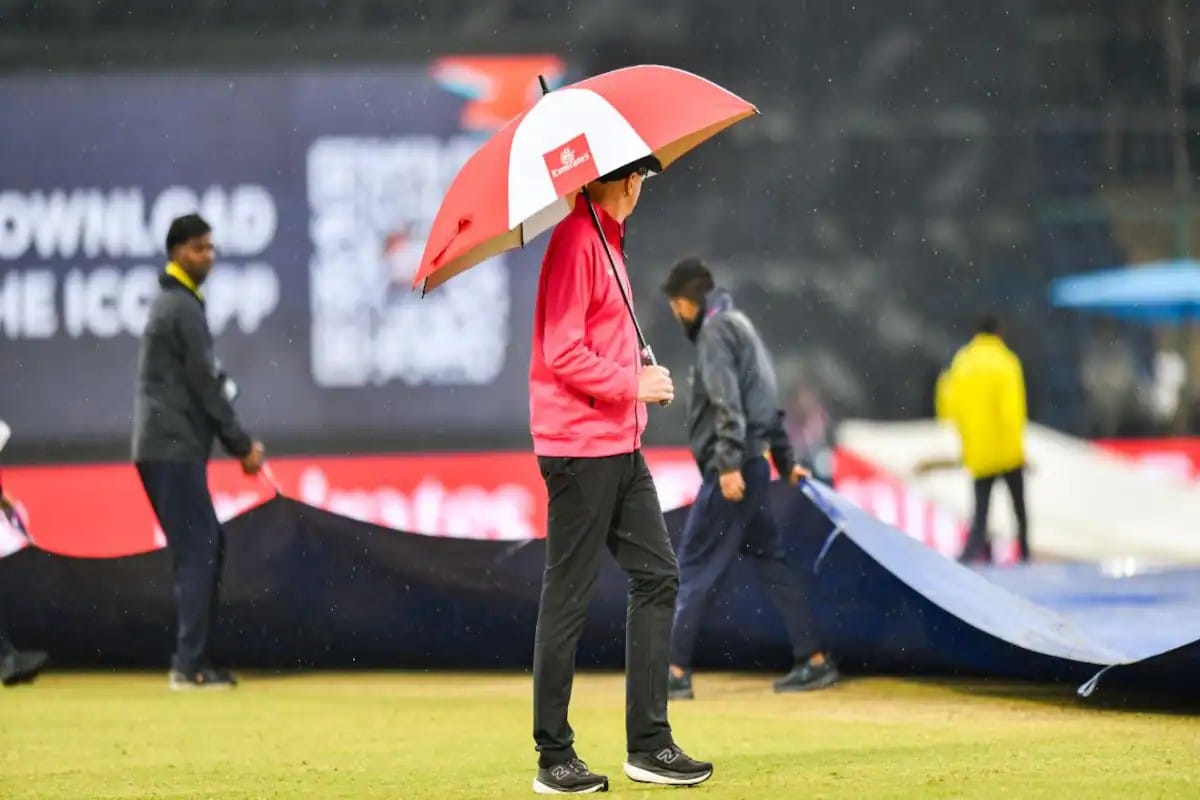
Rain threatens the opening T20 international between India and Afghanistan at New Delhi's Arun Jaitley Stadium. Forecasts indicate a high probability of evening showers and thunderstorms, raising concerns over potential match interruptions, shortened overs, and challenging tactical conditions for both teams.
Intermittent rain and humid conditions threaten to disrupt the first T20 international match between India and Afghanistan, scheduled for September 13, 2026, at the Arun Jaitley Stadium in New Delhi. Meteorological agencies and local forecasters report a high probability of precipitation during the afternoon and evening hours, raising concerns over potential game delays or a shortened fixture. This late-monsoon atmospheric instability creates tactical challenges for team managements and organizers aiming to execute the series opener smoothly.
Meteorological Forecast and Match Impact
According to data compiled from meteorological updates and regional weather services including AccuWeather and the India Meteorological Department (IMD), New Delhi faces scattered monsoon showers accompanied by potential spot thunderstorms.
Precipitation Probability: Forecasts indicate a 49% to 64% chance of rain extending from afternoon build-ups into the early evening match window.
Temperature and Humidity: Evening temperatures are projected to hover around 28°C to 30°C, accompanied by high humidity levels ranging between 75% and 80%, which could create greasy fielding conditions.
Ground Infrastructure: While groundsmen at the Arun Jaitley Stadium have deployed comprehensive cover systems to protect the square and outfield, persistent passing showers could restrict the total number of overs.
Pitch Conditions and Strategic Adjustments
The playing surface at the Arun Jaitley Stadium traditionally favors batsmen, offering reliable bounce and short boundaries. However, damp conditions and high humidity alter the dynamics significantly.
Captains winning the toss are expected to factor in the heavy dew and potential rain interruptions, which frequently influence decisions regarding bowling first. Spinners from both sides, including India and Afghanistan's varied bowling attacks, may encounter challenges gripping a wet ball, placing a premium on disciplined bowling and efficient fielding adjustments during crucial middle overs.
Official Sources Section
Weather updates, forecasts, and match operational details are referenced from bulletins issued by the India Meteorological Department (IMD), local venue assessments, and sports analytics reports published by NewsBytes, LiveMint, and The Sunday Guardian.
Quote Section
"Conditions around the time of the match do not necessarily indicate a complete washout, but passing showers and potential thunderstorm spots could lead to frustrating interruptions for both sides," organizers stated that.
Why It Matters
For cricket fans, ticket holders, and television broadcasters, the threat of rain introduces scheduling uncertainty for the series opener. For the team management, managing wet-ball logistics and adapting to a potentially shortened contest requires flexible match strategies, directly impacting player workload management and tactical execution during the opening encounter.
Key Facts at a Glance
Fixture: India vs Afghanistan, 1st T20I of the bilateral series.
Venue: Arun Jaitley Stadium, New Delhi.
Weather Outlook: Cloudy skies with a 49% to 64% probability of rain and isolated thunderstorms during evening hours.
Match Timing: Scheduled for a 7:00 PM IST start, with overcast conditions persisting through toss time.
FAQ Section
Will rain completely wash out the India vs Afghanistan 1st T20I?
While meteorologists predict a high chance of rain and afternoon showers, a total washout is not currently anticipated, though brief delays or a shortened match remain possible.
What is the weather forecast for New Delhi during match time?
Temperatures are expected to stay near 28°C to 30°C with high humidity (75–80%) and cloudy skies carrying passing shower risks.
How does rain affect playing conditions at the Arun Jaitley Stadium?
Moisture in the air and outfield dampness typically assist seam movement initially, while heavy dew later in the evening complicates bowling grips in the second innings.
Are there reserve days allocated for the T20 series matches?
Bilateral bilateral T20 series group fixtures generally do not feature reserve days, meaning a minimum number of overs must be completed on match night to secure a valid result.
Source: NewsBytes, LiveMint, The Sunday Guardian