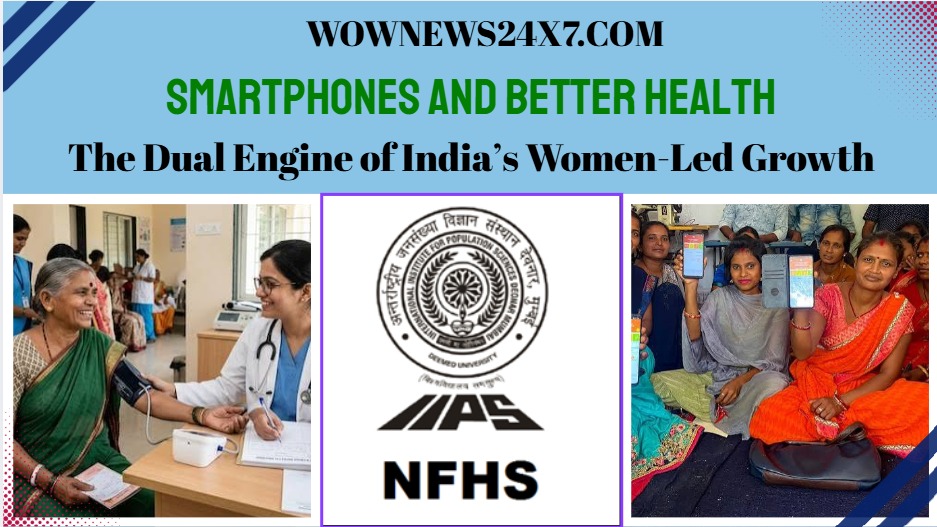
New NFHS-6 data reveals sharp improvements in Indian women's maternal healthcare, financial independence, and digital inclusion. Driven by a lifecycle-based development approach, the report highlights significant declines in early marriage and stable fertility rates, alongside new challenges like rising obesity and the ongoing need for digital health literacy.
Significant gains in maternal healthcare, reproductive health, and financial and digital inclusion have been recorded across India, according to the latest National Family Health Survey (NFHS-6) results released by the Ministry of Health this May. The findings, highlighted in a comprehensive report this Wednesday, indicate a transformative period for women’s well-being and their integration into the country’s digital ecosystem.
The report, which tracks key social and economic indicators, points to measurable progress over the past three years. These improvements are being attributed to a concerted government-led push toward "women-led development," moving beyond traditional welfare models to emphasize participation, leadership, and technological empowerment.
Advancing Healthcare Outcomes
The survey results demonstrate substantial progress in maternal and child health. Key health markers, including vaccination rates, improved health delivery, and a fertility transition, show positive trends. Most notably, the total fertility rate (TFR) has remained stable at 2.0, while contraceptive prevalence has risen from 66.7% to 69.1% compared to previous survey data.
Furthermore, social indicators show a marked shift regarding early marriage. The proportion of women aged 20–24 who were married before the legal age has declined significantly, dropping from 47.4% in 2005–06 to 20.1% in 2023–24. Experts note that this shift is essential for improving education and labor-force participation for young women. However, the report also identifies emerging challenges, noting that the share of women who are overweight or obese has risen to 30.7%, indicating a growing risk of non-communicable diseases such as diabetes and hypertension.
Bridging the Digital and Financial Divide
Digital and financial inclusion have emerged as the cornerstones of India's recent progress. Government-led initiatives, such as expanded banking access and the integration of Self-Help Groups (SHGs) into digital platforms, have provided women with greater economic autonomy.
While historical gaps in smartphone ownership and internet usage remain, the latest NFHS-6 results confirm that more women are accessing digital services than ever before. This digital empowerment is allowing women to manage their finances, access health information, and participate more actively in the digital economy. Policymakers emphasize that these gains are crucial for "Viksit Bharat" (a developed India), where digital connectivity serves as a gateway to both health education and professional opportunities.
Official Sources and Context
According to official announcements from the Ministry of Health, the frequency of NFHS surveys has been shifted to a fixed three-year interval to ensure more accurate, real-time tracking of health and social indicators. This increased granularity allows for more targeted policy interventions in states where nutritional indicators, such as child stunting and wasting, require further focus.
Organizers stated that the focus on a "lifecycle approach"—covering everything from childhood education to adult health—has been instrumental in achieving these nationwide improvements.
Why It Matters
For citizens, these findings indicate better access to life-saving health services and greater agency in the modern digital age. For businesses and investors, the growth in women’s financial and digital inclusion represents a vast, expanding demographic of participants in the Indian economy. The findings provide a roadmap for future interventions, particularly in addressing the rise of non-communicable diseases and closing remaining gaps in rural digital literacy.
Key Facts at a Glance
Fertility Rate: India's total fertility rate remains stable at 2.0.
Marriage Trends: Early marriage (under legal age) for women aged 20–24 has dropped to 20.1% from 47.4% in 2005–06.
Health Access: Contraceptive prevalence has increased from 66.7% to 69.1%.
Emerging Health Risk: The percentage of women classified as overweight or obese has risen to 30.7%.
FAQ
What are the primary drivers of this improvement?
Improvements are attributed to a lifecycle approach in government policies, focusing on maternal healthcare, digital connectivity, financial inclusion through SHGs, and improved education.
What is the "lifecycle approach"?
It is a policy framework that supports women through different stages of life, from early childhood protection and education to health, nutrition, skill development, and leadership opportunities.
What is the biggest health challenge identified in the report?
While maternal and reproductive health have improved, the report highlights a rising trend in obesity and the associated risks of non-communicable diseases like diabetes and hypertension.
Source: Ministry of Health and Family Welfare (NFHS-6), Press Information Bureau (PIB), Observer Research Foundation (ORF)