Chinese President Xi Jinping's five-point BRICS action plan—focusing on AI, digital cloud platforms, and smart manufacturing—has sparked strategic caution in India. While framed around Global South cooperation, New Delhi remains wary of tech dependency, data security risks, and potential challenges to domestic industrial autonomy.
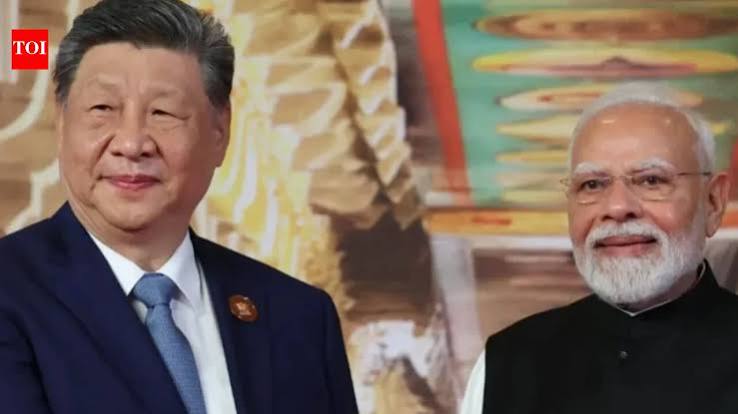
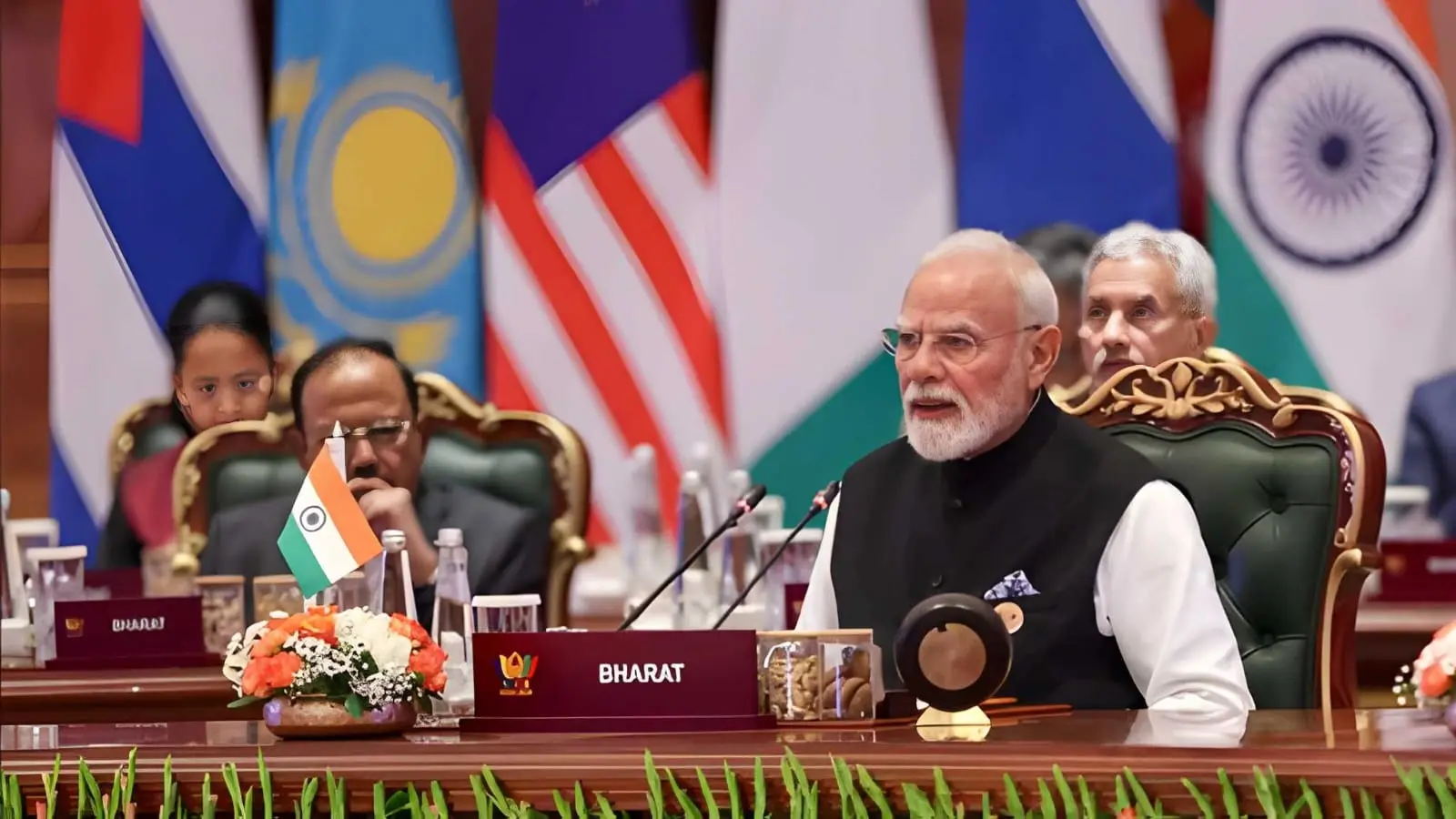
NEW DELHI — Chinese President Xi Jinping's comprehensive five-point action plan presented on the concluding day of the 18th BRICS Summit in New Delhi has triggered strategic caution within Indian policy circles. The proposal, which spans artificial intelligence (AI), digital cloud infrastructure, special economic zones, smart manufacturing, and engineering talent alliances, arrives against the backdrop of long-standing bilateral friction and intense competition for economic leadership across the Global South.
While the framework is formally framed around mutual digital growth, supply chain integration, and multilateral cooperation, security analysts in New Delhi note that several pillars directly intersect with India’s core technological sovereignty, data localization mandates, and domestic manufacturing security safeguards.
Strategic Friction Over AI and Digital Infrastructure
The core areas of concern involve Beijing’s push for a "BRICS AI open-source community" and a centralized "digital ecosystem cloud platform". Indian strategic planners have consistently prioritized data protectionism, strict cross-border data transfer limits, and indigenous technological self-reliance under initiatives like Digital India. Integrating critical digital infrastructure or large language model (LLM) frameworks through a Beijing-led consortium risks opening domestic channels to disproportionate Chinese technological dominance.
Furthermore, proposals for a special economic zone (SEZ) partnership and intelligent manufacturing standards run counter to India's protective stance regarding Chinese industrial investments. Since 2020, New Delhi has systematically tightened regulatory approvals for foreign direct investments originating from land-border sharing nations to insulate critical domestic sectors from predatory takeovers.
According to official summit transcripts, diplomatic statements, and policy briefs:
AI and Cloud Frameworks: Proposal to establish a BRICS open-source AI community and cloud ecosystem, raising data security red flags.
Manufacturing and SEZ Partnership: Calls for coordinated standards in smart factories, potentially conflicting with India's domestic protectionist policies.
Talent and Engineering Alliance: Plans for a joint engineer cultivation initiative and mutual competency recognition.
Geopolitical Backdrop: Unveiled during New Delhi's presidency shortly after Prime Minister Narendra Modi cautioned against the weaponization of technology and critical minerals.
Official Sources Section
Quote Section
"According to strategic policy analysts, multilateral economic frameworks that centralize standard-setting and digital infrastructure under single-nation tech hubs risk compromising the strategic autonomy of emerging market economies."
Why It Matters
For Indian policymakers, navigating Beijing-backed multilateral initiatives requires balancing bloc solidarity with the Global South against national security imperatives. For domestic industries and tech startups, avoiding entanglements in non-transparent digital ecosystems is vital to maintaining intellectual property security and hardware supply chain integrity.
Key Facts at a Glance
Summit Context: 18th BRICS Summit hosted in New Delhi.
Key Proponent: Chinese President Xi Jinping.
Core Proposals: AI open-source community, digital cloud platform, SEZ partnership, smart manufacturing standards, and engineer alliances.
Indian Strategic Stance: Vigilance regarding technology dependency, data sovereignty, and critical mineral supply chains.
FAQ Session
Why does Xi Jinping's five-point plan concern Indian strategists?
The proposals encourage deep integration in sensitive sectors like artificial intelligence, cloud platforms, and manufacturing standards, which could compromise India's data security and self-reliance goals.
What specific tech initiatives were proposed by China?
The plan includes a BRICS AI open-source community, a digital ecosystem cloud platform, an intelligent manufacturing cooperation framework, and a joint engineering alliance.
How did India respond to technology dynamics during the summit?
Prime Minister Narendra Modi explicitly cautioned against the "weaponisation" of technology and critical minerals, emphasizing resilient and secure supply chains.
Where can officials and researchers review the complete text of the proposal?
Official summaries and diplomatic declarations are archived via the Ministry of External Affairs Portal.
Source: Ministry of External Affairs India, Chinese Ministry of Foreign Affairs, The Hindu National Bureau, Indian Express Strategic Affairs Desk