As India and Japan prepare to mark 75 years of diplomatic relations in 2027, Japan’s Yamato Transport is expanding its Indian logistics presence. By combining Japanese Kaizen operational practices with Indian digital and AI technology at its Haryana hub, Yamato aims to modernize domestic freight infrastructure and upskill workers.
TOKYO / NEW DELHI — Japan’s largest delivery and supply chain group, Yamato Transport Company, has announced an expanded roadmap to contribute to Indian industrial infrastructure and social development as India and Japan prepare to mark the 75th anniversary of diplomatic relations in 2027. The Tokyo-headquartered logistics provider is deploying a hybrid operational model that merges Japanese precision packaging and workplace methodologies with India’s digital transformation (DX) and artificial intelligence frameworks. The initiative aligns private corporate logistics integration with major bilateral bilateral roadmaps, including the national PM Gati Shakti infrastructure initiative.
Merging Operational Kaizen with Digital Transformation
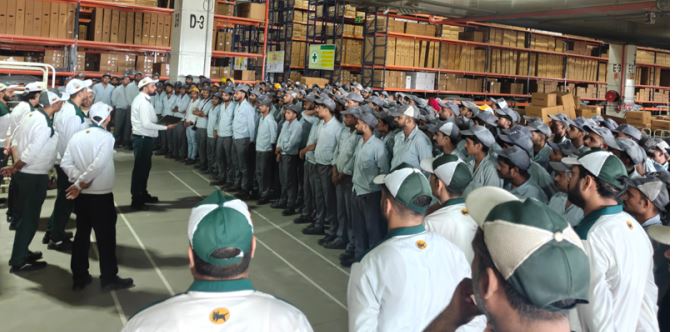
Having established its presence in India in 2008, Yamato operates its largest regional logistics hub at Sidhrawali in Haryana. The facility spans 260,000 square feet and primarily manages industrial, automotive, and high-value machinery supply chains destined for domestic markets, Africa, and the Middle East, employing over 300 Indian personnel.
Under its expanded bilateral engagement, Yamato Logistics India is partnering with domestic enterprise logistics providers to upgrade supply chain efficiency. According to company executives, the core strategy focuses on transforming experiential and operational knowledge—traditionally honed through manual, analogue trial-and-error in Japan—into formalized, scalable digital systems powered by India's software, AI, and IT infrastructure.
The company is also aligning its operational network with the PM Gati Shakti National Master Plan, India’s multi-modal connectivity initiative designed to modernize freight transport across roads, rail corridors, and ports.
Workforce Development and the Craftsman Training Scheme
To support workforce skill standardization across Indian warehousing clusters, Yamato has adopted the Indian government’s Craftsman Training Scheme. The vocational curriculum consists of a three-week foundational classroom program followed by on-site practical training.
The training program introduces Indian floor workers to the classical Japanese 5S workplace methodology—Sort, Set in order, Shine, Standardize, and Sustain—the structural backbone of Japanese Kaizen (continuous improvement). Selected high-performing Indian technicians and managerial candidates are slated to travel to Yamato Headquarters’ automated logistics hubs in Japan for direct exchange programs and exposure to advanced automated sorting technologies.
Bilateral Context: The 'Year of Shared Horizons'
The logistics expansion comes as the governments of India and Japan finalize comprehensive bilateral programming for 2027, officially designated as the "India–Japan Year of Shared Horizons". Diplomatic ties, established following the bilateral Peace Treaty signed on April 28, 1952, have expanded into a multi-sectoral Special Strategic and Global Partnership spanning semiconductors, critical infrastructure corridors, renewable energy, and digital commerce.
Trade surveys from the Japan External Trade Organization (JETRO) indicate that over 80% of Japanese companies operating in India are expanding their physical footprint, citing domestic manufacturing incentives and expanding consumer demand as primary drivers.
Official Sources Section
Corporate announcements, operational metrics, and diplomatic frameworks cited in this report are based on disclosures from Yamato Transport, corporate briefings reported by Asian News International (ANI), and official diplomatic releases from the Ministry of External Affairs of India and the Japan External Trade Organization.
Quote Section
"Yamato is working to contribute to Indian society by merging its sophisticated operational policy with Indian digital and AI capabilities," stated Daisuke Ito, Managing Director of Yamato Logistics India. "By combining Japanese operational discipline with India’s technological scale, we aim to formalize implicit logistics knowledge into advanced supply chain networks."
Why It Matters
Supply Chain Modernization: Enhances industrial cargo handling, cold storage, and fragile manufacturing transport standards across Indian corridors.
Vocational Upskilling: Introduces Indian logistics personnel to globally recognized Japanese Kaizen and 5S operational practices through formal training modules.
Infrastructure Alignment: Integrates foreign enterprise expertise directly into India's multi-modal digital logistics infrastructure and Gati Shakti initiatives.
Key Facts at a Glance
Milestone Year: 2027 marks 75 years of formal diplomatic relations between India and Japan, celebrated as the "Year of Shared Horizons."
Flagship Center: Yamato's 260,000 sq ft facility in Sidhrawali, Haryana, handles industrial shipments for India, the Middle East, and Africa.
Workforce Initiative: Implements the Craftsman Training Scheme integrating 5S Kaizen methodologies with technical exchange trips to Japan.
Digital Strategy: Combines Japanese transport precision with Indian artificial intelligence, digital transformation, and Gati Shakti frameworks.
Frequently Asked Questions
What role does Yamato play in India's logistics sector?
Yamato Logistics India operates large-scale industrial supply chain hubs, including its 260,000 sq ft Sidhrawali center in Haryana, handling industrial distribution for domestic and international markets.
Why is 2027 significant for India-Japan relations?
The year 2027 marks the 75th anniversary of diplomatic ties between India and Japan, designated as the "India–Japan Year of Shared Horizons" to expand economic, technological, and cultural ties.
How is Yamato contributing to skill development in India?
Through the Indian government’s Craftsman Training Scheme, Yamato trains local workers in Japanese 5S and Kaizen efficiency practices, offering top trainees technical exposure at its Japanese headquarters.
Source: Ministry of External Affairs, Japan External Trade Organization, PM Gati Shakti National Portal.