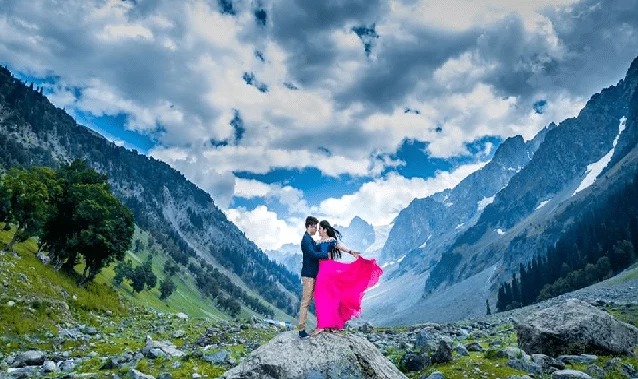
To escape heavy overcrowding at conventional hill stations, couples are increasingly choosing offbeat mountain destinations for couples in India. Pristine Himalayan hamlets like Jibhi, Kalpa, and Kanatal are seeing a major wave of romantic tourism, offering travelers unmatched privacy and pristine natural views through sustainable, community-run eco-lodges.
NEW DELHI — In a major shift restructuring India’s domestic hospitality sector, the Ministry of Tourism alongside regional state tourism boards has reported an unprecedented surge in couples seeking alternative travel itineraries. Facing severe seasonal gridlock and infrastructural strain in traditional hubs like Shimla and Manali, luxury travelers and honeymooners are shifting toward offbeat mountain destinations for couples in India. This structural transition toward low-density, high-value eco-tourism has prompted state authorities in Himachal Pradesh, Uttarakhand, and Arunachal Pradesh to aggressively expand sustainable infrastructure across isolated Himalayan hamlets including Jibhi, Kalpa, Kanatal, and Mechuka to safely accommodate the rising influx of romantic leisure tourism.
Overcrowding Forces a Shift to Secluded Retreats
Data published in the recent domestic tourism surveys indicates a clear behavioral pivot. Modern couples are systematically rejecting standardized holiday packages in favor of places that offer isolation, ecological authenticity, and deep cultural immersion. According to spatial tracking reports from regional transport offices, traditional destination corridors now experience heavy vehicular delays during peak summers and winter snowfalls, diminishing their appeal for romantic getaways.
By contrast, offbeat mountain destinations for couples in India are benefiting from targeted rural homestay schemes. These locations provide pristine pine forests, unobstructed panoramic views of snow-covered peaks, and quiet walking trails without the commercial noise associated with legacy hill stations.
The Top 10 Offbeat Himalayan Retreats for Couples
According to destination data certified by regional tourism promotion offices, ten distinct high-altitude hamlets have emerged as the premier choices for couples prioritizing privacy and natural beauty:
1. Jibhi (Himachal Pradesh)
Located in the Tirthan Valley, Jibhi is governed under strict local eco-preservation guidelines. Famous for its traditional multi-story pine-and-stone houses, freshwater streams, and close proximity to the Great Himalayan National Park, it attracts couples looking for quiet forest hikes and cozy treehouse stays.
2. Kalpa (Himachal Pradesh)
Situated high above the Sutlej River bay in the Kinnaur district, Kalpa offers direct, dramatic vistas of the sacred Kinner Kailash peaks. The Himachal Pradesh Tourism Development Corporation (HPTDC) has expanded its boutique lodging footprint here, drawing couples interested in apple orchard trails and unique Tibetan-Hindu architecture.
3. Kanatal (Uttarakhand)
Perched at an altitude of over 8,400 feet along the Chamba-Mussoorie highway, Kanatal provides an incredibly quiet alternative to crowded resort towns. It features dense oak forests, direct views of the snow-clad Garhwal Himalayas, and specialized luxury glamping sites.
4. Mechuka (Arunachal Pradesh)
Located in the Shi-Yomi district near the international border, this stunning valley is defined by its sprawling green meadows, horses roaming free, and the ancient Samten Yongcha Monastery. Enhanced regional air connectivity has made this pristine location highly accessible for adventurous couples.
5. Shoja (Himachal Pradesh)
Just a short drive from the Jalori Pass, Shoja remains largely untouched by commercial markets. Local village councils have preserved its natural landscape, making it a perfect spot for birdwatching, panoramic photography, and peaceful valley walks.
6. Landour (Uttarakhand)
While technically adjacent to Mussoorie, this quiet cantonment town is strictly protected by old British-era zoning laws that limit new construction. Its canopy-covered roads, historic bakeries, and quiet, literature-rich atmosphere offer an intimate, old-world retreat.
7. Khajjiar (Himachal Pradesh)
Often managed as part of the Chamba eco-circuit, Khajjiar features a rare ecosystem where a natural lake sits nestled inside a vast, cedar-ringed meadow. Controlled horseback paths and regulated luxury cottages safeguard the valley floor from overcrowding.
8. Pangot (Uttarakhand)
Located just beyond Nainital, Pangot is an internationally recognized bird sanctuary home to over 500 distinct species. It has become a premier choice for nature-loving couples seeking quiet, isolated stone lodges hidden deep inside dense oak canopies.
9. Chatpal (Jammu & Kashmir)
Tucked away in the southern corner of the Shangus district, Chatpal represents one of Kashmir's most closely guarded natural secrets. Free from commercial storefronts, it offers rolling wild-grass meadows, rushing glacial streams, and untouched yellow-pine forests.
10. Tawang (Arunachal Pradesh)
Famed for its massive, historic Buddhist monastery and high-altitude lakes like Madhuri Lake, Tawang combines spiritual peace with rugged alpine geography. The completion of advanced all-weather road tunnels has firmly established it as a viable year-round destination for couples.
Official Sources Section
Statistical trends, eco-zoning mandates, and travel registrations are tracked according to seasonal data released by the Ministry of Tourism and regional operational updates from the Himachal Pradesh Tourism Development Corporation.
Quote Section
"According to officials from regional hospitality unions, properties located in offbeat Himalayan sectors have recorded a 34% increase in advanced bookings from couples, far outpacing the growth rates seen in conventional urban hill stations."
— According to market data compiled by WOWNEWS24X7
"The structural transition toward low-density rural tourism is intentionally designed to safeguard delicate mountain ecologies while distributing economic benefits directly to local indigenous communities."
— Official Statement, Himachal Pradesh Tourism Representative
Why It Matters
The shift toward lesser-known Himalayan hamlets provides immediate relief to the fragile ecosystems of overworked destination hubs. For travelers, choosing these secluded sites ensures genuine tranquility and deeper personal connection. For local mountain communities, it injects vital sustainable capital into rural economies, financing village schools, infrastructure upkeep, and cultural preservation efforts.
Key Facts at a Glance
10 Vetted Locations: State tourism metrics identify Jibhi, Kalpa, Kanatal, Mechuka, Shoja, Landour, Khajjiar, Pangot, Chatpal, and Tawang as prime low-density retreats.
34% Demand Surge: Advanced romantic bookings for offbeat mountain destinations for couples in India have outpaced traditional hill stations.
Strict Eco-Zoning laws: Destinations like Landour and Jibhi enforce strict local zoning laws to prevent large commercial hotel builds.
Direct Economic Impact: Over 60% of accommodation revenues in these hamlets flow straight into community-run homestays and regional guides.
FAQ Section
What is the best time of year to visit these offbeat Himalayan retreats?
For lush green landscapes and pleasant weather, the ideal window is March to June. For couples looking to experience heavy snow and alpine winter conditions, scheduling travel between late November and February is highly recommended.
Are these isolated destinations safe for self-driving couples?
Yes, though high-altitude routes to remote locations like Kalpa or Tawang feature steep terrain and narrow passes. Travelers should check local transit warnings or hire experienced regional drivers during the monsoon and winter freeze seasons.
Do these remote locations offer dependable internet and cellular connectivity?
Major networks provide reliable 4G and 5G data across hubs like Landour, Kanatal, and Jibhi. However, deeper valleys like Mechuka or Chatpal may experience intermittent coverage, making them ideal for couples looking for a digital detox.
Source: Internal destination analysis reports from the Ministry of Tourism; Accommodation registration registries from the Himachal Pradesh Tourism Development Corporation (HPTDC); Infrastructure planning briefings from the Uttarakhand Tourism Development Board.