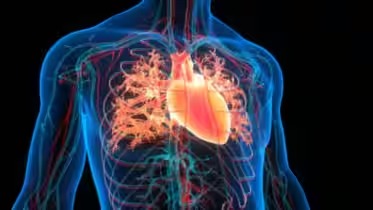
Cardiologist Dr. Sanjay Bhojraj launched a 30-day health challenge on Saturday, August 1, 2026, outlining three simple daily habits post-dinner walking, bi-weekly strength training, and earlier digital wind-down to optimize cardiovascular wellness. The integrative recommendations emphasize accessible, consistent lifestyle choices over extreme fitness fads to lower blood pressure and protect long-term heart function.
LOS ANGELES — Board-certified interventional cardiologist and integrative medicine specialist Dr. Sanjay Bhojraj launched a practical public health challenge on Saturday, August 1, 2026, encouraging individuals to adopt simple daily habits to support better heart health and reverse age-related cardiovascular risk. Highlighting that chronological age does not strictly dictate arterial wellness, Dr. Bhojraj emphasized that sustainable, low-impact lifestyle shifts yield rapid improvements in blood pressure, sleep quality, and daily energy.
The initiative addresses growing public interest in functional cardiology and longevity medicine, steering attention away from restrictive diets or high-intensity workout trends in favor of manageable daily discipline.
Overcoming Cardiovascular Aging Through Daily Consistency
Addressing followers across digital platforms, Dr. Bhojraj noted that individual commitment to risk-reduction routines plays a far more decisive role in heart vitality than age alone. Drawing from over two decades of clinical experience in traditional and functional cardiology, he observed that older adults who prioritize foundational health markers frequently maintain healthier vascular profiles than younger individuals who neglect metabolic wellness.
"August 1st makes a pretty good day to decide whether you're going to spend the next month getting older... or getting healthier," Dr. Bhojraj stated. While acknowledging that a 30-day commitment will not instantly reverse decades of vascular stress, he explained that the human cardiovascular system responds rapidly to consistent daily habits, stabilizing resting heart rate and improving metabolic flexibility within weeks.
Three Daily Habits Recommended for Cardiovascular Support
Rather than overburdening individuals with complex fitness regimens, Dr. Bhojraj outlined three accessible, science-backed daily habits, advising participants to select at least one to maintain without interruption throughout the month:
A 10-Minute Post-Dinner Walk: Engaging in light physical movement immediately following evening meals significantly aids digestion, moderates postprandial glucose spikes, and contributes to baseline daily activity metrics without overtaxing joints.
Bi-Weekly Strength Training: Dedicating 30 minutes twice per week to resistance exercises preserves lean muscle mass, enhances insulin sensitivity, and provides vital structural support for healthy cardiovascular aging.
Early Digital Disconnect for Sleep: Putting electronic devices away 30 minutes earlier every night lowers evening cortisol levels, facilitating deeper restorative sleep cycles that allow blood pressure to dip naturally overnight.
Clinical Shift Toward Root-Cause Functional Cardiology
The daily habit challenge reflects a broader movement within preventive cardiology toward functional medicine and lifestyle interventions. Having spent 20 years performing invasive cardiac procedures, Dr. Bhojraj founded the Well12 lifestyle medicine program to address the root causes of chronic arterial disease, including systemic inflammation, circadian disruption, and chronic stress.
Medical literature consistently indicates that routine walking and modest resistance exercise improve heart rate variability (HRV) and vascular endothelial function. By framing cardiovascular care around small daily habits, health professionals aim to bridge the gap between clinical treatments and home-based preventive habits.
Official Sources
According to public health updates and clinical practice statements:
Dr. Sanjay Bhojraj (MD, Well12 Founder): Published clinical recommendations outlining the 30-day August lifestyle challenge focused on incremental habit adoption.
Institute for Functional Medicine (IFM): Endorses lifestyle-based cardiometabolic interventions, including stress reduction, physical movement, and circadian sleep alignment, to reduce cardiovascular risk factors.
American Heart Association (AHA): Recommends regular aerobic activity, muscular resistance training, and 7–9 hours of sleep per night as core components of "Life's Essential 8" for cardiovascular health.
Quotes
"I've seen 60-year-olds with healthier hearts than people in their 40s because they finally started paying attention to the things that reduce their risk. No, your heart isn't going to become 25 years younger in 30 days. But you'd be surprised how quickly your blood pressure can improve, how much better you sleep, how much more energy you have, and how different your body feels when you stop waiting for 'someday.'"
— Dr. Sanjay Bhojraj, Interventional Cardiologist
"According to officials, building sustainable daily routines is significantly more effective for long-term heart disease prevention than embarking on short-lived, extreme exercise challenges."
Why It Matters
For General Adults: Demonstrates that meaningful cardiovascular benefits can be achieved through manageable daily actions like short walks and screen-free sleep routines.
For Working Professionals: Offers realistic alternatives to time-intensive gym programs, making heart-healthy habits easy to integrate into busy workdays.
For Healthcare Providers: Highlights the value of lifestyle prescription models that encourage patient agency and long-term risk reduction.
Key Facts at a Glance
Focus on Consistency: Dr. Sanjay Bhojraj introduced a 30-day challenge encouraging people to adopt three daily habits for cardiovascular health.
Post-Meal Walks: Walking 10 minutes after dinner helps regulate blood sugar levels and supports digestion.
Strength Training: Performing 30 minutes of resistance training twice weekly improves metabolic health and supports vascular resilience.
Sleep Quality: Disconnecting from screens 30 minutes earlier aids stress reduction and night-time heart recovery.
Frequently Asked Questions
Can a 10-minute walk after dinner really improve heart health?
Yes. Short walks after meals help clear glucose from the bloodstream, reduce insulin spikes, promote digestion, and contribute to overall daily physical activity.
Why is strength training important for cardiovascular wellness?
Strength training builds lean muscle mass, which improves metabolic rate, enhances insulin sensitivity, and reduces long-term risks associated with cardiometabolic disease.
How does screen time before bed affect the heart?
Blue light and digital stimulation before sleep delay melatonin release and elevate cortisol levels, preventing the natural overnight drop in blood pressure necessary for heart recovery.
Source: Dr. Sanjay Bhojraj Official Portal, Institute for Functional Medicine, American Heart Association