Eight Indian states raised 169 billion rupees ($2.02 billion) via an auction of State Government Securities conducted by the Reserve Bank of India on Tuesday, matching targets in full. Yields ranged from 7.5460% for Maharashtra to 7.7983% for Punjab across tenors spanning 7 to 30 years, reflecting resilient institutional demand.
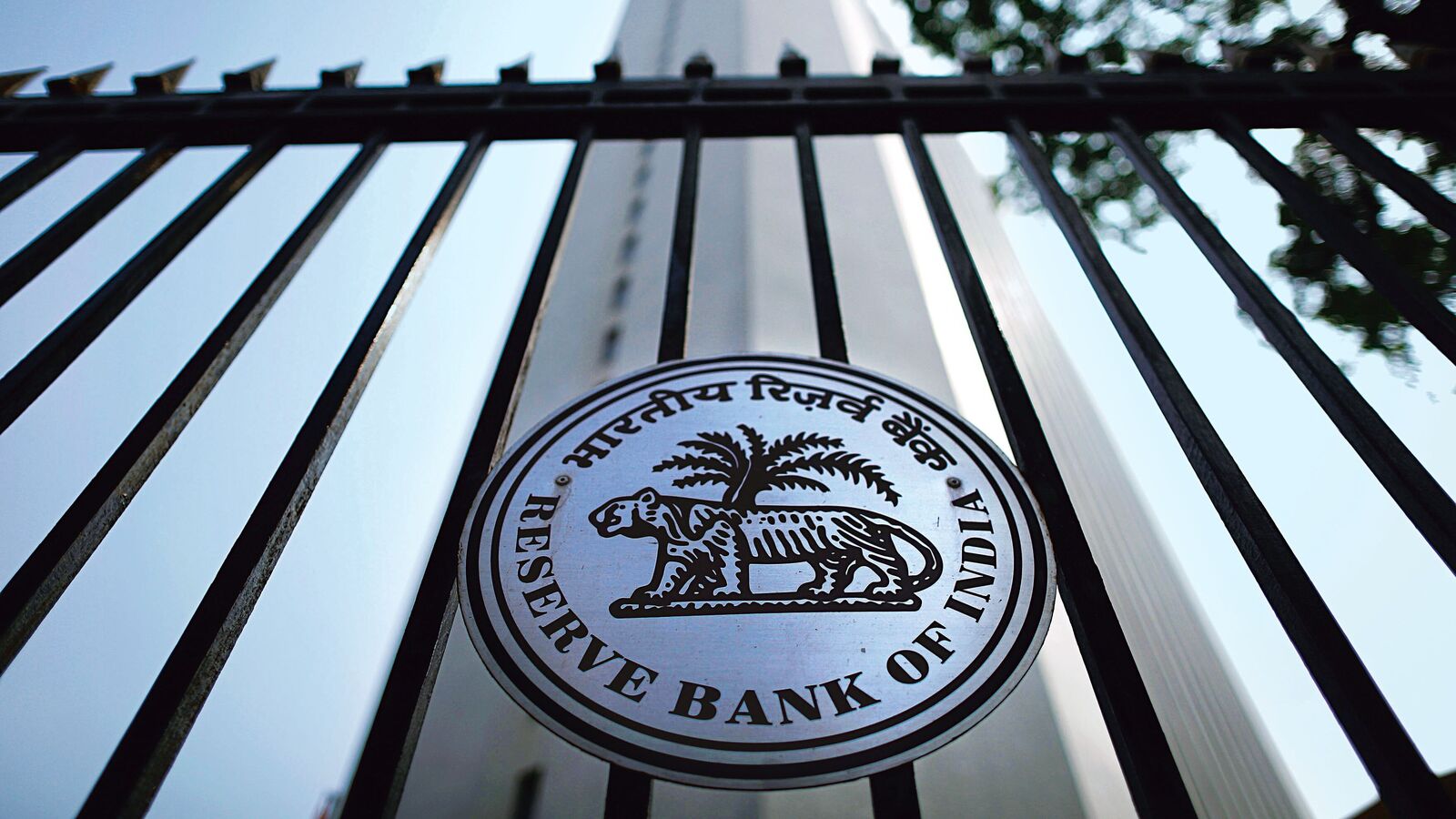
MUMBAI — Eight Indian state governments collectively raised 169 billion rupees ($2.02 billion) through an auction of State Government Securities conducted by the Reserve Bank of India (RBI) on Tuesday, meeting the central bank's aggregate borrowing target in full.
The market borrowing operation, executed on the RBI's electronic core banking system, e-Kuber, drew broad institutional demand across maturities ranging from 7 to 30 years. The auction provides vital liquidity for regional governments to fund capital expenditure commitments, develop transportation and power infrastructure, and manage mid-year fiscal balances without exceeding their annual market borrowing frameworks.
Yield Cut-Offs Across Re-issued Papers
The debt sale comprised a combination of fresh issuances and the re-issue of existing papers, with yields reflecting distinct state credit risk profiles and duration preferences across domestic debt desks.
Among the re-issued State Government Securities, the longest duration was Andhra Pradesh's 30-year paper. The re-issue of the 7.64% Andhra Pradesh SGS 2056 (originally issued on August 12, 2026) cleared at a cut-off yield of 7.7576%. The state's re-issued 7.65% SGS 2043, originally dated March 11, 2026, set a cut-off of 7.7551%, while its shorter 7.46% SGS 2035 paper, issued on August 12, 2026, cleared at 7.6198%.
Maharashtra, the largest single borrower in Tuesday's round, mobilized funds across three re-issued tranches. The re-issue of the 7.79% Maharashtra SGS 2054, originally issued on April 22, 2026, cleared at a cut-off yield of 7.7596%. Its 7.77% SGS 2044 tranche, also from the April 22 series, printed at 7.7570%, while the 10-year 7.55% Maharashtra SGS 2034 concluded with a cut-off of 7.5460%.
In northern and western states, the re-issue of the 7.65% Punjab SGS 2043 (issued August 12, 2026) cleared at 7.7983%, marking the highest cut-off yield in the auction. The re-issue of the 7.57% Rajasthan SGS 2035 (issued June 17, 2026) printed at 7.6290%. For Gujarat, the re-issued 7.59% SGS 2041 and 7.47% SGS 2036 cleared at cut-offs of 7.6803% and 7.5896%, respectively. The Union Territory of Jammu and Kashmir saw its re-issued 7.60% SGS 2038 conclude at 7.7061%.
Fresh Loan Issuances and Tenor Dispersion
In the fresh issuance segment, state treasuries focused on targeted maturities to balance borrowing costs against debt maturity schedules:
Punjab: Raised funds via a fresh 9-year loan with a cut-off yield of 7.75%.
Rajasthan: Placed a 22-year sovereign loan with a cut-off of 7.76%.
Jammu and Kashmir: Issued an 18-year loan clearing at a cut-off yield of 7.75%.
Goa: Placed a 10-year benchmark paper at a cut-off of 7.63%.
Meghalaya: Issued a 7-year loan at a cut-off yield of 7.55%, securing the lowest borrowing rate among fresh tenors.
Trading desks noted that the yield spread between central government dated securities and state development paper remained within typical historical ranges of 40 to 65 basis points, reflecting stable banking liquidity and predictable institutional absorption by insurance funds and commercial banks.
Market Dynamics and Investor Participation
The auction saw active bidding from primary dealers, nationalized commercial banks, insurance corporations, and provident funds. All State Government Securities qualify as eligible assets under the Reserve Bank of India’s Statutory Liquidity Ratio (SLR) requirements under Section 24 of the Banking Regulation Act, 1949, making them essential holding components for commercial lenders.
Furthermore, retail investors accessed the issuance non-competitively through the RBI Retail Direct framework, which reserves up to 10% of the notified amount for individual and non-institutional participants to encourage broader public saving participation.
Economic and Financial Impact
Tuesday's market debt operation generates several practical implications across key sectors:
State Capital Outlays: Provides predictable cash flow to municipal, irrigation, transport, and civil infrastructure projects across participating states without relying on emergency overdrafts.
Banking and SLR Management: Supplies institutional commercial banks with liquid, sovereign-backed collateral that satisfies mandatory SLR reserves while locking in attractive real yields.
Fixed-Income Portfolios: Offers life insurance companies, provident funds, and retail debt investors long-tenor, semi-annual yield-bearing assets yielding between 7.54% and 7.80%.
Corporate Credit Markets: Sets a stable benchmark pricing curve for state public sector enterprises and private industrial issuers preparing corporate debt placements.
Official Sources
According to official market operation notifications and auction outcome tables published by the Reserve Bank of India (RBI), eight sub-national authorities offered to sell paper totaling 169 billion rupees (₹16,900 crore), with all bids accepted at the determined cut-off prices and yields.
The auction guidelines, issuance schedules, and fiscal limits operate within statutory borrowing permissions granted by the Department of Expenditure under the Ministry of Finance pursuant to Article 293(3) of the Constitution of India.
Official Commentary
According to officials familiar with central bank public debt operations, secondary bond markets exhibited orderly trading following the auction results:
"The complete absorption of the 169-billion-rupee notified amount indicates steady institutional appetites for sub-national sovereign debt. Bidding remained balanced across short- and ultra-long durations, reflecting orderly market conditions and manageable yield spreads against sovereign central paper."
Bond market dealers in Mumbai noted that high coupon realizations on longer-duration paper, such as Punjab's 2043 series, attracted steady institutional bids from life insurers looking to match long-term pension liabilities.
Why It Matters
The auction of State Government Securities carries structural economic importance:
Fiscal Health Monitoring: Yield variations between states (such as Meghalaya at 7.55% versus Punjab at 7.7983%) allow market participants to assess state debt sustainability and fiscal management.
Public Asset Creation: Funds raised directly underwrite state budget outlays for schools, healthcare centers, power grids, and highway networks.
Inflation and Liquidity Balance: Demonstrates that the domestic debt market possesses sufficient depth to absorb regular state borrowings without crowding out commercial private sector credit.
Key Facts at a Glance
Total Borrowing: 169 billion rupees (₹16,900 crore) raised across eight states.
Auction Platform: Reserve Bank of India e-Kuber core banking solution.
Tenor Spectrum: 7-year to 30-year maturities.
Highest Cut-Off Yield: 7.7983% on the re-issue of 7.65% Punjab SGS 2043.
Lowest Cut-Off Yield: 7.5460% on the re-issue of 7.55% Maharashtra SGS 2034.
Frequently Asked Questions
What are State Government Securities (SGS)?
State Government Securities, also known as State Development Loans (SDLs), are debt instruments issued by state governments through the Reserve Bank of India to finance fiscal deficits and infrastructure projects.
How much was raised in the September 8, 2026 auction?
Eight Indian state governments raised a total of 169 billion rupees (₹16,900 crore), matching the exact targeted amount notified by the central bank.
Which state received the highest yield cut-off in the auction?
Punjab's re-issued 7.65% SGS 2043 recorded the highest cut-off yield at 7.7983%.
Can retail investors purchase these state securities?
Yes. Retail investors can submit non-competitive bids through the RBI Retail Direct platform in minimum denominations of ₹10,000.
Source: Official market operations announcements and public debt auction reports published by the Reserve Bank of India (RBI), fiscal data maintained by the Ministry of Finance, and settlement records verified by the Clearing Corporation of India Limited (CCIL).