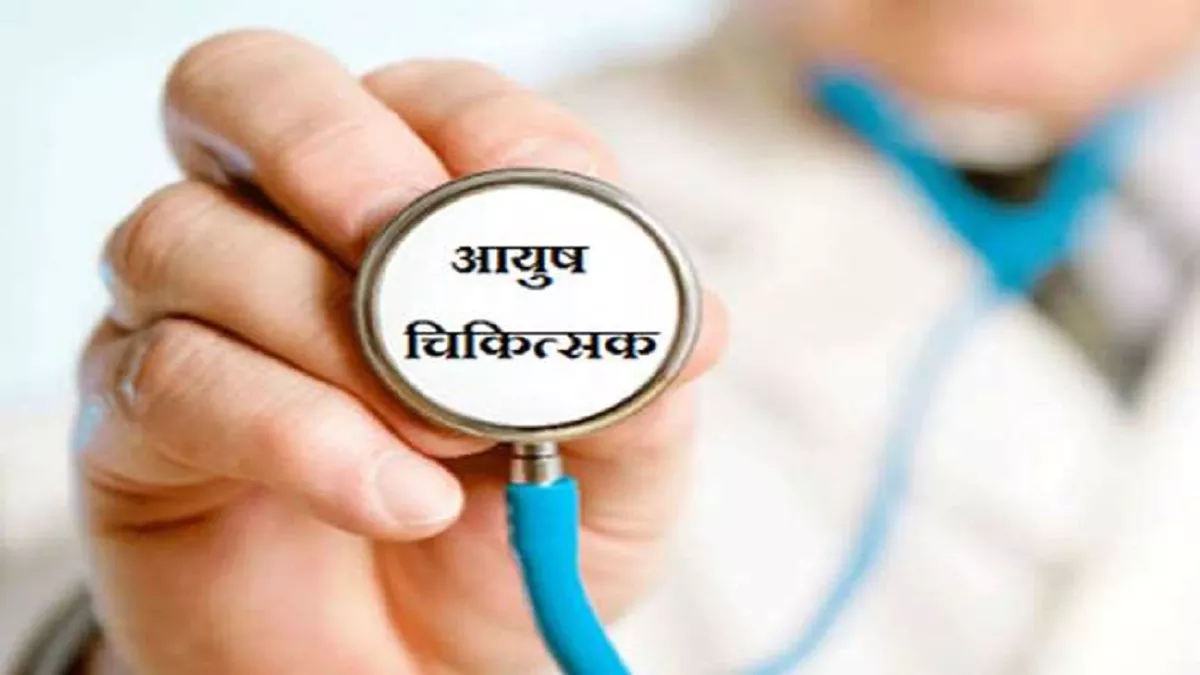
The National Commission for Indian System of Medicine (NCISM) issued an official circular stating that registered AYUSH practitioners are legally recognized medical professionals under Indian law. The regulatory authority warned that publicly describing qualified practitioners as "quacks" or "bogus doctors" lacks legal foundation and violates their constitutional rights.
NEW DELHI — The National Commission for Indian System of Medicine (NCISM) issued a directive clarifying that institutionally trained and registered practitioners of the Indian System of Medicine are legally recognized medical professionals under Indian law. In a regulatory circular dated July 29, 2026, the commission stated that there is no legal basis for describing qualified AYUSH practitioners as "quacks" or "bogus doctors" in public notices, print or electronic media, social platforms, or administrative proceedings.
The statutory release comes in response to increasing reports of harassment, defamation, and false characterization directed against medical graduates holding degrees in Ayurveda (BAMS), Unani (BUMS), Siddha (BSMS), and Sowa-Rigpa (BSRMS).
Legal Recognition Under NCISM Act and IMCC Framework
The commission highlighted that practitioners registered with state medical councils for Indian medicine under the Indian Medicine Central Council (IMCC) Act, 1970, and the NCISM Act, 2020, hold full statutory recognition as medical practitioners.
The regulatory framework grants these registered professionals the legal right to practice within the scope permitted by law and protects them from public misrepresentation. According to the circular, any individual, medical organization, media platform, or government authority that publicly labels registered practitioners with derogatory terms acts contrary to statutory provisions and infringes upon their professional and constitutional rights.
Public Healthcare Integration and Doctor-to-Population Ratios
The clarification comes amid ongoing debates regarding the role of traditional medicine in India's broader health infrastructure. Official government healthcare data indicates that India maintains approximately 13.86 lakh registered allopathic doctors alongside 7.52 lakh registered AYUSH practitioners.
By accounting for both allopathic and registered Indian system practitioners, the central government estimates an overall national doctor-to-population ratio of 1:811, surpassing the World Health Organization’s recommended benchmark of 1:1,000. The NCISM emphasized that qualified AYUSH doctors constitute an essential pillar of the national health workforce, particularly across rural and semi-urban primary healthcare centers.
Practical Impact on Healthcare Workers, Media, and Consumers
The statutory notification establishes operational boundaries across the medical ecosystem:
For AYUSH Professionals: Provides formal legal protection against public defamation and unfair administrative actions when practicing within authorized scopes.
For Media Outlets and Public Forums: Imposes regulatory responsibility on news organizations, social media networks, and public institutions to verify registration status before issuing public statements or notices.
For Healthcare Consumers: Clarifies the distinction between unaccredited individuals practicing without degrees and institutionally trained, state-registered practitioners.
Official Sources Section
According to official regulatory releases, statutory notifications, and government portals:
Quote Section
According to official regulatory notifications issued by the statutory commission:
"According to officials, there is no legal basis for describing registered practitioners of the Indian System of Medicine as 'quacks' or 'bogus doctors,' and any public mischaracterization infringes upon the professional rights and protections granted to them under statutory law."
Why It Matters
Defining the legal status of medical professionals is essential for protecting patient trust and maintaining orderly public health governance. By legally distinguishing institutionally qualified AYUSH graduates from unaccredited practitioners, the NCISM circular safeguards the professional dignity of traditional healthcare providers while maintaining statutory standards for medical practice across India.
Key Facts at a Glance
Regulatory Directive: NCISM issued an official circular affirming the legal status of registered AYUSH doctors.
Prohibited Labels: Publicly calling registered AYUSH practitioners "quacks" or "bogus doctors" has no legal basis.
Statutory Acts: Practice rights are protected under the NCISM Act, 2020, and the IMCC Act, 1970.
Covered Qualifications: Includes registered degree holders in Ayurveda (BAMS), Unani (BUMS), Siddha (BSMS), and Sowa-Rigpa (BSRMS).
Frequently Asked Questions (FAQ)
What did the NCISM clarify regarding registered AYUSH doctors?
The NCISM clarified that registered practitioners holding recognized degrees in Indian systems of medicine are legally recognized medical professionals and cannot be described as "quacks" or "bogus doctors".
Which degrees fall under the protection of this circular?
The circular covers institutionally qualified graduates holding degrees such as BAMS (Ayurveda), BUMS (Unani), BSMS (Siddha), and BSRMS (Sowa-Rigpa) who are registered with state medical councils.
What is the legal basis for the commission's directive?
The directive is based on provisions under the National Commission for Indian System of Medicine Act, 2020, and the Indian Medicine Central Council Act, 1970.
Where can the public verify official NCISM circulars and medical registration rules?
Official circulars and statutory regulations are accessible on the portals of the National Commission for Indian System of Medicine and the Ministry of Ayush.
Source: National Commission for Indian System of Medicine (NCISM), Ministry of Ayush, Ministry of Health and Family Welfare