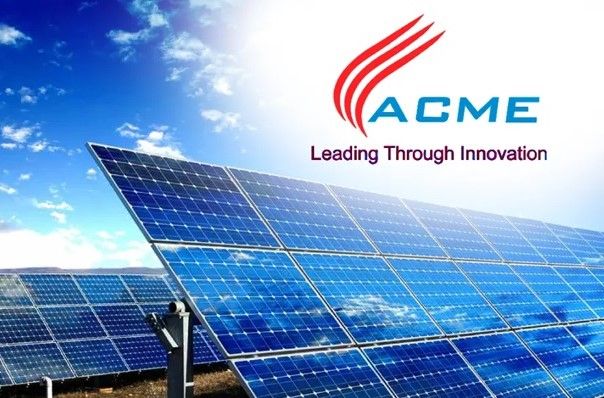
Acme Solar Holdings has successfully commissioned a 160.512 MWh Battery Energy Storage System (BESS) project in Rajasthan. This utility-scale infrastructure allows for the storage of excess solar energy, enhancing grid stability and enabling a more reliable supply of renewable power during peak demand hours across the regional network.
Acme Solar Holdings has officially commissioned a 160.512 MWh Battery Energy Storage System, marking a critical leap for renewable grid stability.
Acme Solar Holdings, a prominent player in the Indian renewable energy sector, announced on Monday that its subsidiary has successfully commissioned a 160.512 MWh Battery Energy Storage System (BESS) project. This development, situated in Rajasthan, represents a significant milestone in the company’s ongoing efforts to integrate large-scale storage solutions into the national power grid, ensuring more reliable and dispatchable green energy.
The commissioning of this BESS project follows the successful completion of performance testing and grid synchronization protocols. By utilizing advanced lithium-ion technology, the facility is designed to store excess energy generated during peak solar hours and release it during high-demand periods, effectively mitigating the intermittency issues typically associated with renewable power.
Scaling Up Energy Storage Solutions
The addition of 160.512 MWh of capacity is a strategic move for Acme Solar Holdings as it seeks to meet the growing demand for firm, round-the-clock renewable power. According to regulatory filings, the project is part of a larger initiative to support India's ambitious targets for energy transition and grid modernization.
The deployment of this BESS project is expected to play a vital role in balancing regional load requirements. By providing frequency response and peak-shaving services, the system will assist grid operators in managing supply fluctuations, thereby reducing reliance on traditional fossil-fuel-based peaking plants.
Impact on Grid Reliability and Energy Markets
For the renewable energy sector, the successful commissioning of a BESS project of this magnitude serves as a proof-of-concept for commercial viability. Analysts suggest that the scalability of such projects will be key to attracting further investment in the BESS space.
The project is anticipated to benefit various stakeholders:
Grid Operators: Enhanced ability to maintain frequency stability and grid balance.
Energy Consumers: Greater access to consistent renewable energy, potentially stabilizing long-term power costs.
Investors: Demonstrates Acme Solar Holdings' commitment to infrastructure diversification and technological leadership.
"Acme Solar Holdings remains committed to investing in innovative storage technologies that align with national renewable energy objectives," stated a company spokesperson in an official press release. The company indicated that this BESS project will operate under a long-term power purchase agreement, ensuring a steady stream of revenue while contributing to decarbonization efforts.
Quote Section
"Organizers stated that the project has successfully met all commissioning requirements and has been synchronized with the state transmission utility, ensuring seamless integration into the existing energy network."
Why It Matters
As India transitions toward a higher percentage of variable renewable energy (VRE) in its generation mix, the role of battery storage cannot be overstated. This BESS project acts as a vital buffer, allowing energy generated from solar farms during the day to be utilized during the evening peak hours, thus increasing the total value of renewable assets.
Key Facts at a Glance
Capacity Commissioned: 160.512 MWh of BESS capacity.
Technology: Utility-scale lithium-ion battery storage system.
Operational Objective: To provide energy shifting and peak-load support for the grid.
Strategic Goal: Supports Acme Solar Holdings' goal of expanding its renewable energy portfolio with storage integration.
FAQ
What is the primary function of the BESS project?
The Battery Energy Storage System (BESS) is designed to store surplus solar energy and discharge it when power demand is high, ensuring a more stable and reliable supply of renewable energy.
Where is the new storage project located?
The project is situated in Rajasthan, a region known for its high solar irradiance and significant contribution to India’s renewable energy output.
How does this affect the power grid?
The project helps grid operators manage supply volatility, provides essential frequency response, and supports the transition toward a more reliable, renewable-heavy energy mix.
Source: Bombay Stock Exchange (BSE) Regulatory Filings, Acme Solar Holdings Official Press Releases, Ministry of New and Renewable Energy