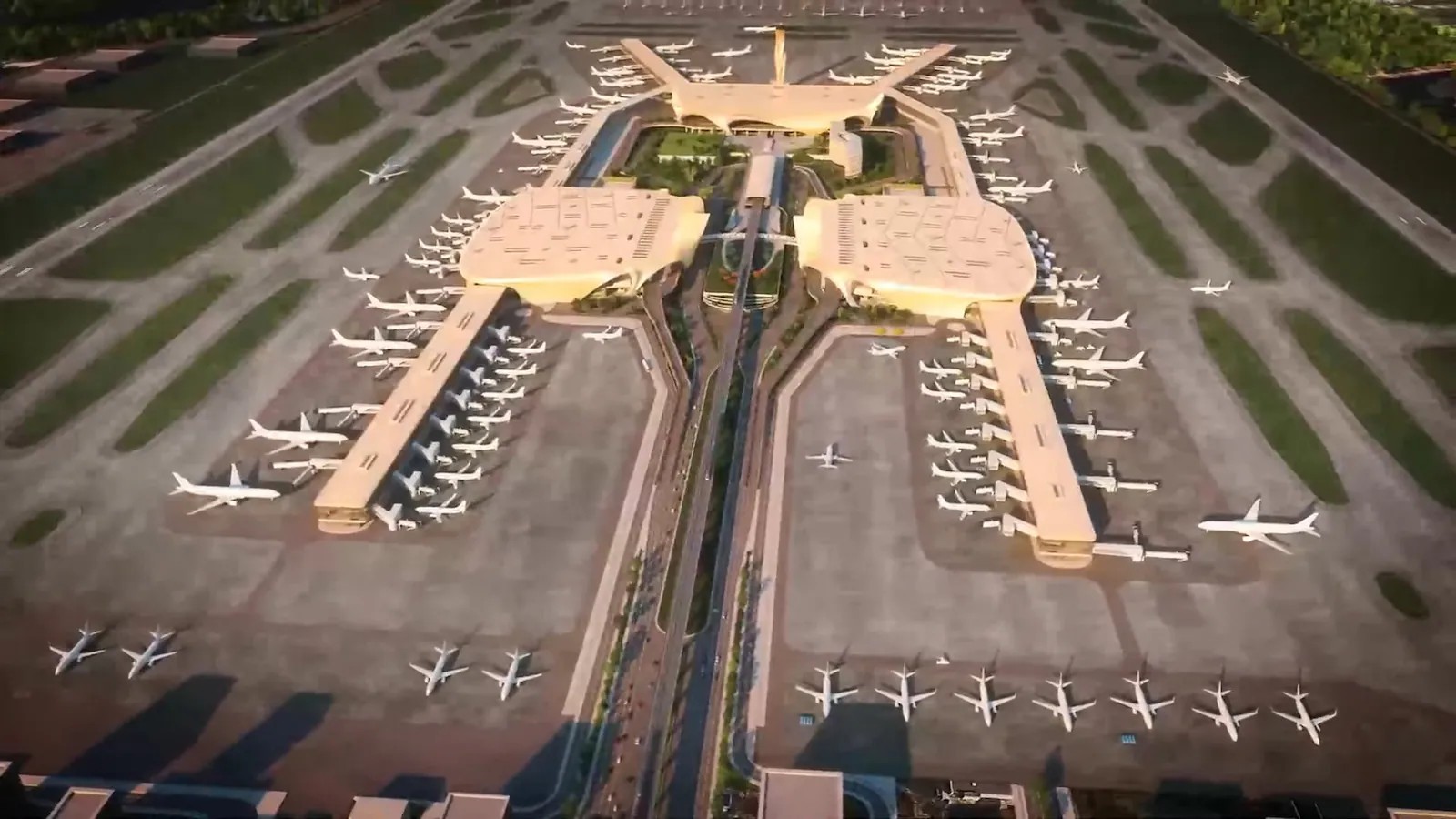
Adani Airports has announced an initial phase investment exceeding ₹200 billion to upgrade infrastructure and develop integrated airport cities spanning over 655 acres across five Indian states. The multi-state development focuses on transforming traditional airports into large commercial and retail hubs to significantly boost non-aeronautical corporate revenues.
MUMBAI — Adani Airports announced on June 25, 2026, a capital expenditure plan exceeding ₹200 billion for its initial phase of aviation expansion. The private infrastructure enterprise unveiled a master plan to build integrated airport city developments spanning more than 655 acres of commercial real estate distributed across five Indian states. This capital deployment comes at a critical time as India's civil aviation market experiences an unprecedented surge in domestic and international passenger traffic, pushing existing terminal capacities to their limits and forcing operators to seek non-aeronautical revenue streams to sustain long-term infrastructure growth.
Strategic Funding and Cross-State Civil Aviation Footprint
The capital commitment of over ₹200 billion is structured to target critical bottleneck points across the operator’s rapidly expanding aviation portfolio during the initial phase of deployment. According to the company's framework announcement, the capital will be used for both airside infrastructure upgrading and landside commercial monetization.
The integrated airport city development, which covers more than 655 acres, represents a shift in how transit real estate is developed in India. Rather than treating airports merely as flight arrival and departure gateways, the project will transform these zones into self-contained economic ecosystems. The land allocations will be deployed across five distinct Indian states where Adani Airports maintains long-term operating concessions, allowing the company to build premium hospitality assets, convention centers, logistics parks, and retail zones right next to its primary airport terminals.
Boosting Non-Aeronautical Revenue Streams
Aviation sector analysts emphasize that non-aeronautical revenue—derived from dining, shopping, hotels, and real estate leasing—has become the primary driver of profitability for modern global transport hubs. By building out 655 acres of mixed-use real estate, Adani Airports is insulating its financial profile from fluctuations in airline passenger fees and regulated aeronautical tariff structures.
The planned multi-state infrastructure networks are designed to capture spending from high-net-worth business travelers, international tourists, and surrounding urban populations. The integrated city complexes will feature grade-A corporate offices, entertainment zones, and multi-modal logistics hubs that integrate seamlessly with regional rail and highway networks. This approach aligns with successful international models seen in major global transit centers like Dubai, Singapore, and London, where airport cities generate a significant share of total corporate cash flow.
Operational Impact on Travelers, Investors, and Local Businesses
The rollout of the ₹200 billion first-phase investment will have practical effects on several stakeholder groups across the domestic economic spectrum:
For Air Travelers: Passengers will experience shorter processing times, expanded terminal gates, upgraded automated baggage systems, and premium dining and transit accommodation options.
For Institutional Investors: The clear, phased allocation of capital provides financial transparency to global credit rating firms and institutional fund managers monitoring the parent group's long-term leverage and asset-monetization cycles.
For Local Businesses and Retailers: The 655-acre development opens up premium commercial spaces for local and international brands, boosting regional supply chains and generating thousands of direct and indirect construction and hospitality jobs across five states.
Official Sources Section
The financial parameters, spatial metrics, and corporate expansion plans detailed in this news report are drawn from official project announcements and media briefings released by Adani Airports and its parent corporate group. The execution steps are subject to regulatory filings submitted to the Ministry of Civil Aviation and domestic stock exchange desks, including the BSE Limited.
Quote Section
"According to officials familiar with the master plan, the initial capital deployment will establish the base infrastructure required to support India's next decade of passenger growth. Organizers stated that the 655 acres of integrated development will be executed in close coordination with regional municipal authorities to guarantee seamless integration with existing city public transport systems."
Why It Matters
For everyday consumers, corporate travelers, and business logistics managers, this large-scale investment helps resolve the chronic airport congestion and cargo delays often seen at major domestic terminals. By building out comprehensive, self-contained business districts directly connected to runways, the development reduces urban transit times for international executives, allowing them to fly in, hold corporate meetings within the airport city precinct, and depart without adding to urban traffic gridlock.
Key Facts at a Glance
First-Phase Investment: Adani Airports is deploying more than ₹200 billion into initial terminal and landside infrastructure.
Real Estate Footprint: The integrated airport city development spans over 655 acres of prime commercial land.
Geographic Reach: The construction and upgrading activities are distributed across five distinct Indian states.
Core Objective: The plan focuses on transforming traditional transit centers into multi-modal commercial hubs to maximize non-aeronautical revenues.
Frequently Asked Questions (FAQ)
Which Indian states will be included in the new airport city expansion?
While the specific locations match the group's current operating portfolio, the initial integrated development plan covers 655 acres of land distributed across five Indian states.
What is the main purpose of building an integrated airport city?
The project aims to create self-sustaining economic hubs next to terminals, featuring hotels, offices, and retail zones, which helps diversify and boost non-aeronautical revenue.
How will this ₹200 billion investment affect air passengers?
The first-phase funding is directed toward expanding terminal capacities, improving digital processing systems, and providing better retail and hospitality amenities for travelers.
Source: Official infrastructure media releases and corporate briefings from Adani Airports and the Ministry of Civil Aviation.