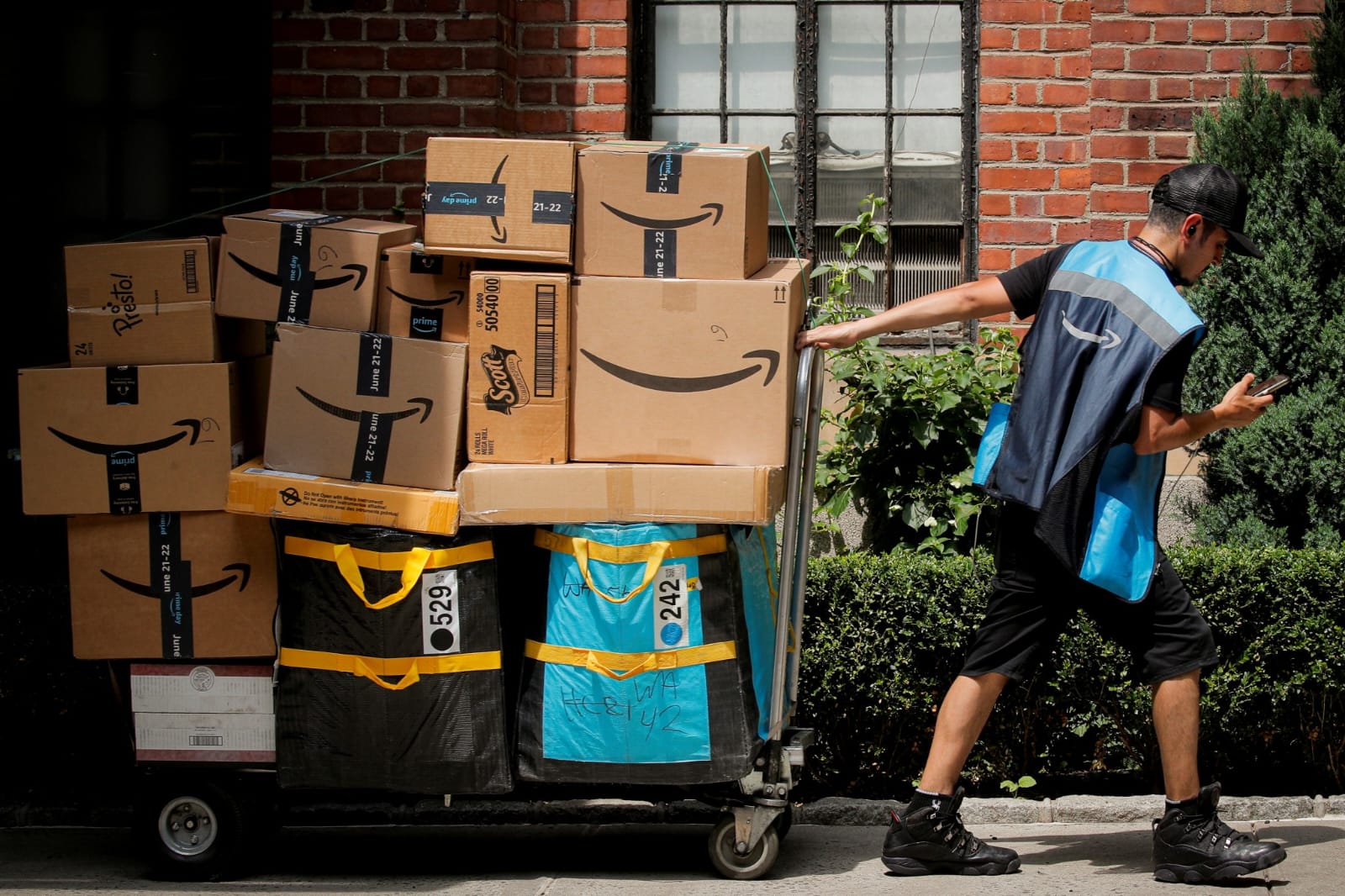
Amazon has strategically advanced Amazon Prime Day 2026 to June 23–26 to optimize early summer supply chains and avoid a crowded July media calendar dominated by the FIFA World Cup. The expanded four-day window emphasizes essential household inventory, fast logistical turnarounds, and heightened pricing matches against major market competitors.
SEATTLE — Amazon.com Inc. has officially adjusted its corporate retail strategy by moving its annual Amazon Prime Day 2026 shopping event forward into June. The decision shifts the prominent e-commerce fixture away from its traditional mid-July position.
The expanded four-day global commercial event will run from June 23 through June 26, 2026. This adjusted operational timeline aims to capture seasonal consumer capital earlier while deliberately navigating an exceptionally crowded mid-summer international event calendar.
According to institutional filings and regional logistics confirmations from Amazon, the June 23–26 retail window will apply across major Western and Middle Eastern consumer sectors, including the United States, Canada, the United Kingdom, Europe, Saudi Arabia, Egypt, and the United Arab Emirates.
Concurrently, Amazon's division in India has organized a distinct timeline. The South Asian market will observe a three-day event from July 4 to July 6, marks the 10th anniversary of its local digital ecosystem membership program.
Strategic Shift Controls the Mid-Summer Corporate Landscape
Market analysts at eMarketer and Adobe Analytics indicate that shifting the multi-day discount window into late June lets Amazon directly capture early high-velocity household funding allocated for back-to-school setups, regional travel, and summer equipment.
More crucially, the corporate pivot avoids a July schedule heavily occupied by the 2026 FIFA World Cup and the United States' historic 250th Independence Day national celebrations, both of which are expected to command massive consumer attention and media ad-space.
"Prime Day serves as a major commercial benchmark for subscriber retention and consumer purchasing trends," stated Jamil Ghani, Vice President of Amazon Prime. "The real value for members continues to expand systematically, and this operational window optimizes seasonal household supply needs globally."
Consumer Behavior Pivots Toward Everyday Essentials
While historic events focused extensively on consumer electronics splurges, programmatic indicators for the Amazon Prime Day 2026 cycle reveal an explicit focus on everyday household goods, perishable groceries, and essential home supplies. Industry forecasts project that Amazon's expanded same-day fulfillment capabilities will alter standard shopping cart composition during the event.
Data from Adobe Analytics suggests that aggregate shopper volume across the active four-day period will likely surpass the combined digital gross merchandise volume (GMV) of Black Friday and Cyber Monday from the preceding fiscal year.
Discount margins are projected to balance evenly with previous iterations. Apparel and personal electronics are expected to average a 23% cost reduction, while toys and home goods scale to approximately 19% off standard list prices.
Intensified Market Competition Across Digital Sectors
The recalibrated timeline has forced immediate reactions from major global physical and digital competitors, creating a synchronized retail showdown across the industry:
Walmart Inc. initiated a preemptive response by launching a seven-day discount event beginning Monday, June 22.
Target Corporation structured its native Target Circle Week event to run concurrently with Amazon's timeline.
Independent Brands (such as eufy) are leveraging their direct-to-consumer infrastructure to host parallel promotions, offering competitive product alternatives without requiring an ecosystem membership.
Official Sources Section
Data, schedules, and structural operational details cited in this report originate directly from official press documentation issued by Amazon Corporate Communications and verified institutional market analytics distributed via Adobe Systems and eMarketer Research.
Quote Section
"Shoppers remain highly tactical as they enter the summer quarter," noted Sky Canaves, Principal Retail Analyst at eMarketer. "Moving the timeframe forward captures seasonal travel and summer apparel allocation before family budgets face late-summer inflationary or vacation pressures."
Why It Matters
For regular citizens and households, the event offers a distinct avenue to counter localized inflationary trends on standard monthly grocery bills and routine personal care items.
For retail investors and corporate institutions, the multi-day event functions as a primary indicator of macroeconomic retail health, consumer confidence metrics, and logistical stability across the mid-year financial spectrum.
Key Facts at a Glance
Official Operational Timeline: Global rollout runs June 23 to June 26, starting at 12:01 a.m. PDT / 9:01 a.m. CET.
Geographical Extensions: India's specific 10th-anniversary celebration is scheduled separately for July 4–6.
Technological Deployments: Amazon has deployed its updated artificial intelligence tools alongside its new "Vulcan" tactile fulfillment robotics to enhance same-day distribution pipelines.
Financial Incentives: Approvals for co-branded Prime Visa cards during the period offer immediate $200 gift card activations.
FAQ Section
Who can access the Amazon Prime Day 2026 discount tiers?
The promotion is restricted exclusively to active members of the Amazon Prime subscription network. Unaffiliated shoppers can access the deal structures by activating an eligible 30-day trial phase prior to checking out.
When does the US event officially conclude?
The transactional event concludes natively across the United States on June 26, 2026, running for a continuous duration of 96 hours from its Tuesday morning launch.
Are competitors running identical pricing matching structures?
While direct matching is not systematically automated across platforms, major retailers like Target and Walmart are hosting independent, simultaneous discount windows featuring overlapping product selections.
Source: Amazon Corporate Operations, Adobe Digital Insights Portfolio, eMarketer Retail Intelligence Hub