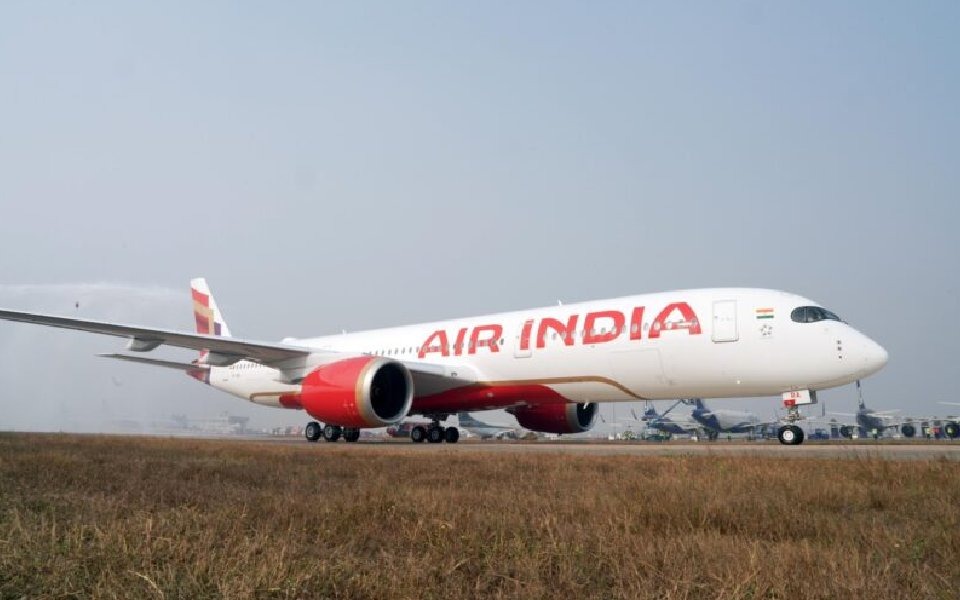
In a concerning development for passengers and aviation regulators alike, Air India’s flight AI2017 from Delhi to London aborted its takeoff on Thursday, July 31, due to a suspected technical glitch. The incident occurred at Indira Gandhi International Airport and has prompted renewed scrut...
In a concerning development for passengers and aviation regulators alike, Air India’s flight AI2017 from Delhi to London aborted its takeoff on Thursday, July 31, due to a suspected technical glitch. The incident occurred at Indira Gandhi International Airport and has prompted renewed scrutiny of Air India’s operational safety, especially in light of recent findings from a DGCA audit.
Key Highlights from the Incident:
- Flight AI2017, operated by a Boeing 787-9 Dreamliner, was scheduled to depart for London
- The cockpit crew aborted takeoff and returned the aircraft to the bay for precautionary checks
- An alternative aircraft was arranged to minimize disruption for passengers
- Ground staff provided assistance and care during the delay
Sequence of Events:
- The aircraft was preparing for departure when the cockpit crew detected a suspected technical issue
- Following standard operating procedures, the takeoff was discontinued
- The aircraft was brought back to the parking bay for inspection
- Air India deployed a replacement aircraft to ensure passengers could continue their journey
- The airline issued a statement emphasizing passenger safety and operational caution
Passenger Experience and Airline Response:
- Passengers were informed of the delay and provided support by ground staff
- No injuries or safety breaches were reported during the aborted takeoff
- Air India reiterated its commitment to safety and compliance
- The airline’s spokesperson confirmed that the issue was being investigated thoroughly
Regulatory Context and Safety Oversight:
This incident comes on the heels of a comprehensive audit conducted by the Directorate General of Civil Aviation (DGCA), which flagged 51 safety deficiencies in Air India’s operations earlier this month.
- The DGCA report highlighted lapses in simulator training, flight crew duty periods, and documentation
- Violations included unqualified simulator use, excessive flight duty hours, and incomplete digital records
- The audit categorized these findings into Level I and Level II breaches, demanding corrective action by August
Operational Concerns Raised by DGCA:
- B787 pilots reportedly flew without valid simulator checks
- Ultra-long-haul flights operated with insufficient cabin crew
- Inaccuracies found in pilot training records and flight hour documentation
- Simulator sessions failed to meet regulatory duration requirements
- Organizational gaps included unassigned key roles and outdated operational manuals
Implications for Air India and Aviation Safety:
- The aborted takeoff adds urgency to the DGCA’s call for corrective measures
- Passenger confidence may be impacted, especially on international routes
- Air India’s fleet management and crew training protocols are under renewed scrutiny
- The airline must address both technical reliability and regulatory compliance to maintain its global standing
Conclusion:
While Air India managed to swiftly respond to the aborted takeoff with minimal passenger disruption, the incident underscores deeper systemic issues flagged by aviation authorities. As the airline continues its expansion and modernization efforts, ensuring robust safety standards and transparent operational practices will be critical. The DGCA’s findings and today’s incident together serve as a wake-up call for the national carrier to prioritize safety reforms and restore public trust.
Sources: Telangana Today, Economic Times, Hindustan Times, CNBC TV18.