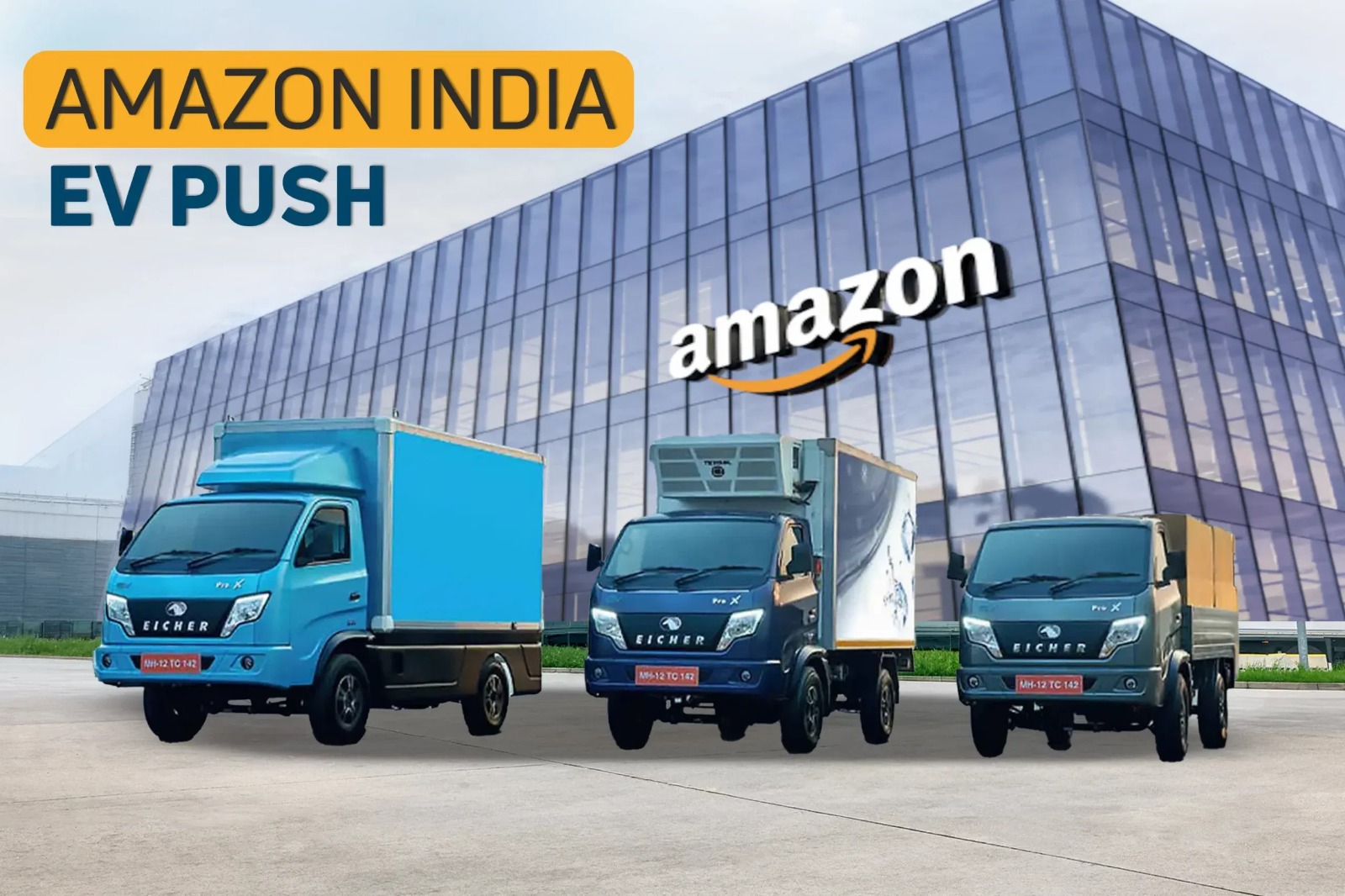
Amazon India is accelerating its electric fleet expansion by focusing on proprietary, on-site charging infrastructure. With over 12,500 EVs already deployed and plans for 1,000 new electric trucks by 2028, the company is bypassing public infrastructure gaps to maintain its commitment to net-zero carbon emissions by 2040.
Amazon is intensifying its commitment to sustainable logistics in India by leveraging its own dedicated charging infrastructure to support a rapidly expanding electric vehicle (EV) fleet. As the company pushes toward its goal of net-zero carbon emissions by 2040, it is focusing on on-site charging solutions at its delivery stations to bypass the challenges posed by limited public EV infrastructure in the country.
Andreas Marschner, Amazon’s Vice President for Global Engineering and Sustainability, confirmed this week that the company is largely relying on internal charging facilities to power its growing fleet. While the company continues to collaborate with external partners to diversify its transportation and charging options, the current strategic priority remains the installation of private charging networks within its own operational hubs.
Strengthening the Indian Electric Fleet
Amazon’s push toward electrification in India is multifaceted, targeting both last-mile and middle-mile logistics. The company already operates a fleet of over 12,500 electric vehicles across more than 500 cities in India. Building on this momentum, the e-commerce giant recently announced a major expansion plan that includes the deployment of 1,000 custom-built electric trucks within the next five years.
These upcoming additions—developed in partnership with VE Commercial Vehicles (VECV), a joint venture involving Eicher Trucks and Buses—are designed specifically for high-frequency intra-city operations. These vehicles will serve as the backbone for Amazon's "Amazon Now" quick-commerce platform, which is currently undergoing a massive expansion to reach 100 cities across India.
Overcoming Infrastructure Hurdles
The decision to utilize proprietary charging infrastructure stems from systemic challenges regarding grid capacity and power availability, which Amazon executives note are not unique to India but represent a global hurdle. By managing its own charging network, Amazon can optimize power usage, plan for long-term fleet transitions, and avoid the unpredictability of public charging grid connections.
"What we have been indexing high so far is mostly on-site," Marschner stated, emphasizing that the company is planning its future power requirements by anticipating its total fleet electrification needs through 2030, rather than adopting a short-term, piecemeal approach. This strategy allows the company to minimize charger costs and reduce the complexities involved in power upgrades.
Quote Section
"According to officials, the challenge of power availability and grid capacity is actually a challenge everywhere. Amazon’s EV operations in India are currently supported largely through charging facilities installed at its own delivery stations to ensure reliable, high-frequency operations."
Why It Matters
For the Indian logistics sector, Amazon’s localized charging strategy sets a precedent for how large-scale corporations can bypass infrastructure bottlenecks to achieve sustainability targets. By integrating charging capabilities directly into their fulfilment centres and delivery hubs, the company ensures that its quick-commerce commitments remain uninterrupted by the fluctuating reliability of public EV charging networks.
Key Facts at a Glance
Current Scale: Amazon India operates over 12,500 electric vehicles in more than 500 cities.
Future Expansion: Plans to introduce over 1,000 electric light and medium-duty trucks within five years.
Infrastructure Approach: Primarily utilizing on-site charging at company-owned delivery stations to ensure operational reliability.
Sustainability Goal: Part of a global commitment to reach net-zero carbon emissions by 2040.
FAQ
1. Why is Amazon relying on its own charging network in India?
The company cited limited availability of public EV charging infrastructure and challenges regarding grid capacity as the primary reasons for building its own charging facilities at delivery stations.
2. How many electric vehicles does Amazon operate in India?
Amazon currently operates more than 12,500 electric vehicles across over 500 cities in India, covering both last-mile and middle-mile logistics.
3. What is the scope of the partnership with Eicher Trucks?
Amazon plans to deploy 1,000 purpose-built Eicher electric trucks by 2028 to support its "Amazon Now" quick-commerce operations, focusing on high-frequency intra-city logistics.
Official Sources