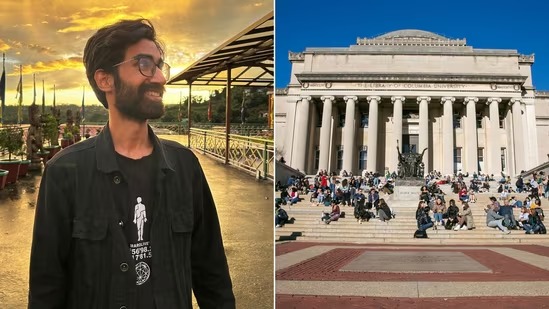
Kaushik Raj, an Indian journalist awarded a $100,000 scholarship to Columbia University, was denied a US visa. Though the official reason cited insufficient ties to India, Raj believes social media vetting played a role. His case reflects growing concerns over digital scrutiny and its impact on international academic access.
Kaushik Raj, a 27-year-old journalist from Delhi, was denied a US student visa despite securing a $100,000 scholarship to pursue a master’s in data journalism at Columbia University. The rejection, which came just weeks before his semester began, has sparked debate over the role of social media vetting in visa decisions.
Key Highlights
- Kaushik Raj had completed all formalities for his F-1 visa, including interviews and documentation, before receiving a rejection letter from the US Embassy in New Delhi
- The official reason cited was “insufficient ties to India,” a standard clause used when applicants fail to convince authorities they will return after their studies
- Raj believes the real reason was his social media activity, which included journalistic coverage of hate crimes and sensitive global issues
- During his visa interview, he was asked to make his social media accounts public, and his application status changed multiple times before being marked as “refused”
- The rejection came despite Raj’s full scholarship and admission to an Ivy League institution, raising questions about merit-based access to education
- Raj told The Washington Post that he refrained from posting personal opinions on controversial topics like the Gaza conflict but suspects his reporting history influenced the decision
- His case is not isolated—other Indian students have reported similar experiences, with visa denials following social media scrutiny
- Raj now plans to apply to universities in the UK, citing a more transparent and merit-driven visa process
Strategic Takeaways
- The incident highlights growing concerns over digital surveillance and its impact on academic mobility
- Social media vetting, introduced during the Trump administration, remains a key tool in US visa assessments
- Experts warn that vague rejection criteria may discourage international talent and undermine educational diplomacy
- Advocacy groups are calling for clearer guidelines and appeal mechanisms for student visa applicants
Market Outlook
- Student visa arrivals to the US from India fell 50% in August 2025, contributing to a broader 19% decline in international student inflows
- Universities may face challenges in attracting global talent amid rising visa uncertainties
- Alternative destinations like the UK, Canada, and Australia are gaining traction among Indian students seeking stable pathways
Sources: NDTV, Firstpost, Hindustan Times, The Washington Post