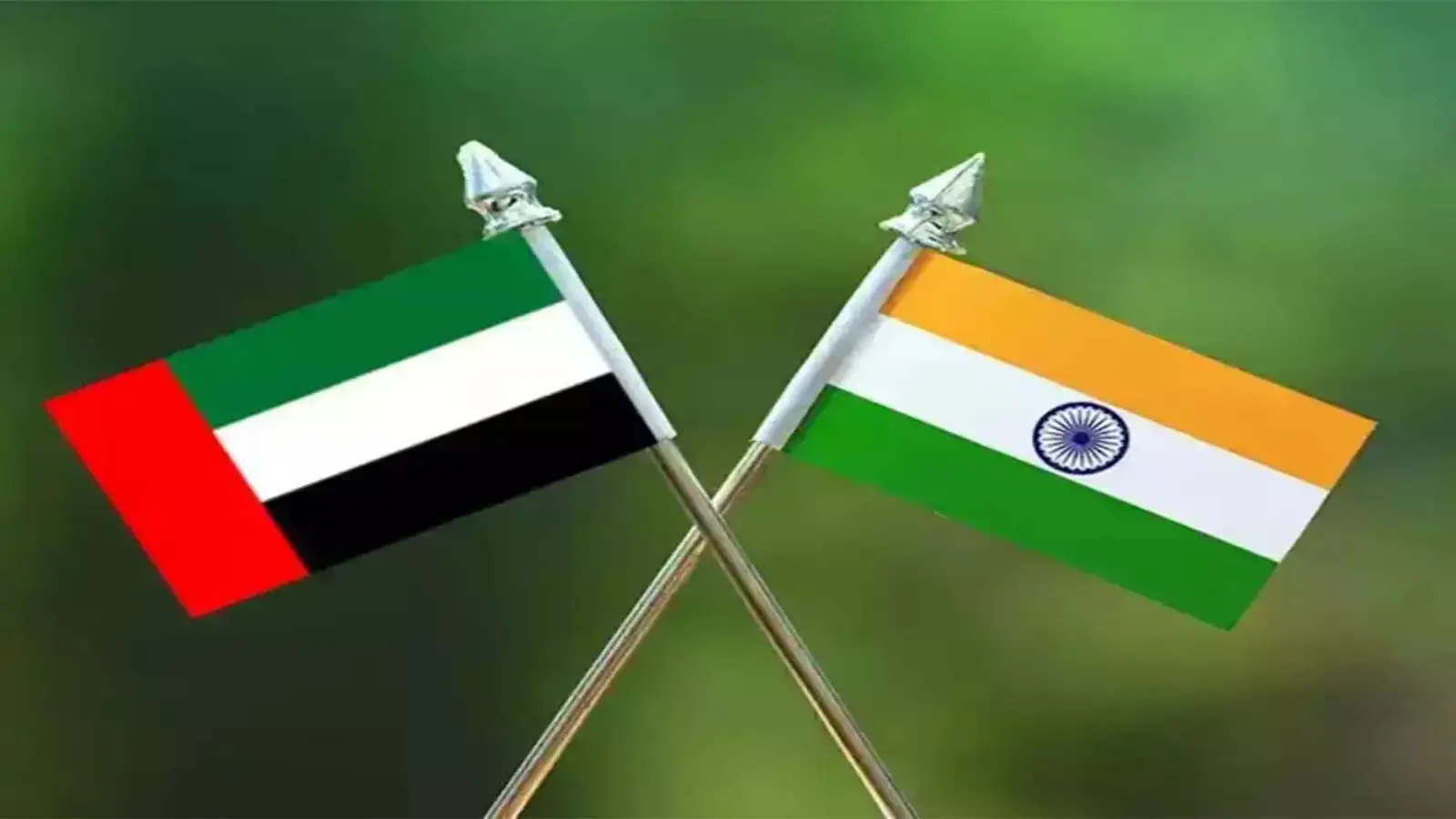
India and the United Arab Emirates are intensifying collaborative efforts to scale up their bilateral Local Currency Settlement System. Nearly three years after its implementation, officials are systematically re-engineering the framework to onboard more commercial banking entities, minimize administrative delays, and expand transaction volumes past oil and gold.
MUMBAI — The government bodies of India and the United Arab Emirates (UAE) have launched a series of joint initiatives designed to aggressively expand their cross-border local currency trade settlement architecture. The renewed structural push aims to lower absolute operational friction, reduce corporate handling costs, and onboard a significantly broader group of regional commercial banks.
According to updates from diplomatic and central banking authorities in mid-2026, more than fifteen percent of the total bilateral commerce between the two nations has been successfully invoiced via the direct rupee-dirham mechanism since its formal launch in mid-2023. Regulators on both sides are now aggressively working to diversify the transaction mix away from its current concentration in crude oil and precious metals toward manufacturing, agricultural, and consumer goods.
Technical Re-Engineering Targets Cross-Border Transaction Friction
The targeted expansion plan focuses on dismantling the everyday technical and operational bottlenecks that have slowed wider corporate adoption. While large state-backed entities have integrated the system smoothly, small-to-medium enterprises (SMEs) have frequently cited high volumes of manual paperwork, duplicative legal verification steps, and long settlement turnaround times at commercial desks.
To address these concerns, central bank officials are actively standardizing cross-border compliance protocols. The primary goal is to establish a seamless, highly integrated interface connecting secondary commercial banks across both economic territories.
By removing complex intermediary currency conversions, the refined settlement mechanism is projected to reduce overall cross-border transaction costs for participants by roughly five percent, providing a strong economic incentive for mid-market companies to ditch third-party clearing networks.
Institutional Infrastructure Adapts to Accelerated Scale
The current operational expansion builds directly on the formal Special Rupee Vostro Account (SRVA) framework authorized by the Reserve Bank of India. Under this system, UAE-based buyers deposit dirhams or rupees into designated domestic banking nodes. These funds are routed directly to matching Indian clearing desks, bypassing traditional Western clearing hubs entirely.
The volume of trade moving through these channels has climbed alongside broader bilateral commerce, which reached an all-time high of $101.25 billion over the 2025-26 fiscal period. With both governments publicly targeting $200 billion in annual trade by 2032, optimizing this alternative settlement infrastructure has shifted from an experimental project to a core macroeconomic priority.
Official Sources Section
Regulatory updates, cross-border invoicing volumes, and procedural frameworks are tracked using official records provided by the Reserve Bank of India (RBI). Macroeconomic goals, trade volume reports, and ongoing intergovernmental meetings are monitored using data released by India's Ministry of External Affairs (MEA).
Quote Section
"More than fifteen percent of the trade has been invoiced in local currencies between July 2023 and March 2026. The settlement is actually doing well despite the headwinds," stated India’s Ambassador to the UAE, Deepak Mittal, during an economic review. "Businesses in their feedback have pointed to paperwork requirements, duplication of processes, or procedural delays. We are looking at how to simplify those processes and reduce friction points."
"According to officials familiar with the discussions, the long-term strategy focuses heavily on onboarding a much wider grid of tier-two and tier-three commercial banking institutions to ensure the platform is highly accessible to everyday exporters."
Why It Matters
Moving away from a reliance on the U.S. dollar for bilateral trade directly insulates both Indian and Emirati enterprises from unexpected global currency shocks and third-party regulatory changes. For corporate treasurers and manufacturing companies, settling accounts directly in rupees or dirhams locks in predictable pricing, eliminates multiple layers of foreign exchange conversion fees, and drastically accelerates the clearing time for standard commercial invoices.
Key Facts at a Glance
Invoicing Milestones: Over 15 percent of total bilateral commerce was successfully settled via local currencies between mid-2023 and early 2026.
Volume Targets: The expanded payment architecture supports an ambitious intergovernmental goal to hit $200 billion in total trade by 2032.
Cost Advantages: Streamlining the direct interbank mechanism is expected to shave up to 5 percent off transaction overhead costs for mid-market corporations.
Sector Diversification: Financial regulators are shifting their focus to bring retail manufacturing, textiles, and agriculture into the rupee-dirham clearing loop.
Frequently Asked Questions (FAQ)
How does the India-UAE local currency settlement mechanism actually function?
The system allows UAE importers to settle transactions using dirhams or rupees through specialized Vostro accounts based in India. This allows Indian exporters to be paid directly in their domestic currency without converting funds into U.S. dollars first.
What is preventing smaller companies from adopting this settlement system faster?
Smaller businesses frequently report administrative hurdles, including excessive custom paperwork, duplicative tracking requests from regional banks, and temporary procedural delays compared to traditional international wire systems.
Does this payment system completely replace the U.S. dollar in bilateral trade?
No. The primary goal of the local currency system is to optimize trade facilitation and lower transactional costs for businesses, rather than forcing full de-dollarization across the entire economy.
Which specific sectors utilize the rupee-dirham trade channel the most?
To date, the clearing platform has been most heavily used by major enterprises managing large-scale shipments of crude oil, liquefied natural gas (LNG), and precious metals like gold and jewelry.
Source: