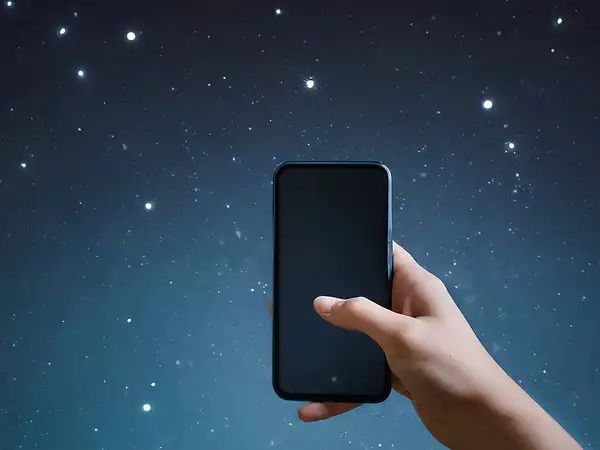
Apple has told Indian authorities that bringing satellite based direct to device D2D connectivity to the country will require hardware level changes and new handset certifications, not just software tweaks. In a submission to the Department of Telecommunications, the company highlighted technical, spectrum and regulatory hurdles that could slow nationwide rollout of satellite messaging and broadband features on iPhones.
With India preparing rules for satellite D2D services that promise mobile connectivity even beyond tower coverage, policymakers have been consulting global tech and telecom players. In this process, Apple has flagged that expectations of quick, plug and play D2D on existing phones are unrealistic. An Economic Times report on these consultations shows how handset design, spectrum allocation and security clearances will shape how fast Indian users can see satellite functions similar to those already live in the US and Europe.
What Apple Has Told The Government
According to officials cited in the report, Apple’s submission says that enabling true satellite D2D on iPhones sold in India is not just a matter of switching on a software feature.
The company pointed to the need for specific radio hardware and antenna configurations tuned to satellite frequencies, plus new rounds of testing and type approval with Indian authorities before any mass market service can be launched.
Unclear Rules For D2D Services
Apple and other companies have also underlined that India currently lacks a full regulatory framework for D2D satellite connectivity; such services are not yet formally permitted.
Key issues still being debated include whether satellite operators must buy terrestrial spectrum at auction, how to license shared satellite bands, and how to integrate D2D offerings with telecom security and interception requirements.
Why D2D Is Not Just An Apple Question
The broader discussion involves not only Apple’s tie up with Globalstar and Amazon’s planned acquisition of Globalstar, but also partnerships like Vodafone Idea with AST SpaceMobile and projects by Jio Satellite and other Indian operators.
Analysts quoted in earlier coverage note that regulators must avoid a patchwork where some handsets and constellations are allowed while others are blocked, since that would distort competition and confuse consumers.
What This Means For Indian Users
For now, experts say India is likely to see limited D2D features first, such as emergency messaging and basic low rate communication in remote areas, before moving to full fledged satellite broadband on phones.
Apple’s warning about handset modifications suggests that many existing devices may not support future D2D services fully, and that operators and OEMs will have to coordinate launch timelines with India specific hardware roadmaps.
Tech And Policy Insights
- Apple has told Indian authorities that satellite D2D on iPhones will require hardware and antenna level changes and new certifications, not just a software update
- India still lacks a complete regulatory framework for direct to device satellite connectivity and such services are not yet formally permitted
- Debates continue over spectrum assignment, licensing of satellite bands and security conditions, affecting not just Apple but all D2D players
- Experts expect India to see limited emergency messaging style D2D first, with broader satellite broadband on handsets coming only after hardware, spectrum and regulatory issues are resolved
Sources: Economic Times, Business Standard