The Indian messaging app Arattai, developed by Chennai-based tech giant Zoho, has swiftly climbed to the number one spot across major app stores in India, gaining remarkable traction as a "Made-in-India" alternative to global messaging platforms. Riding a wave of public endorsements, gr...
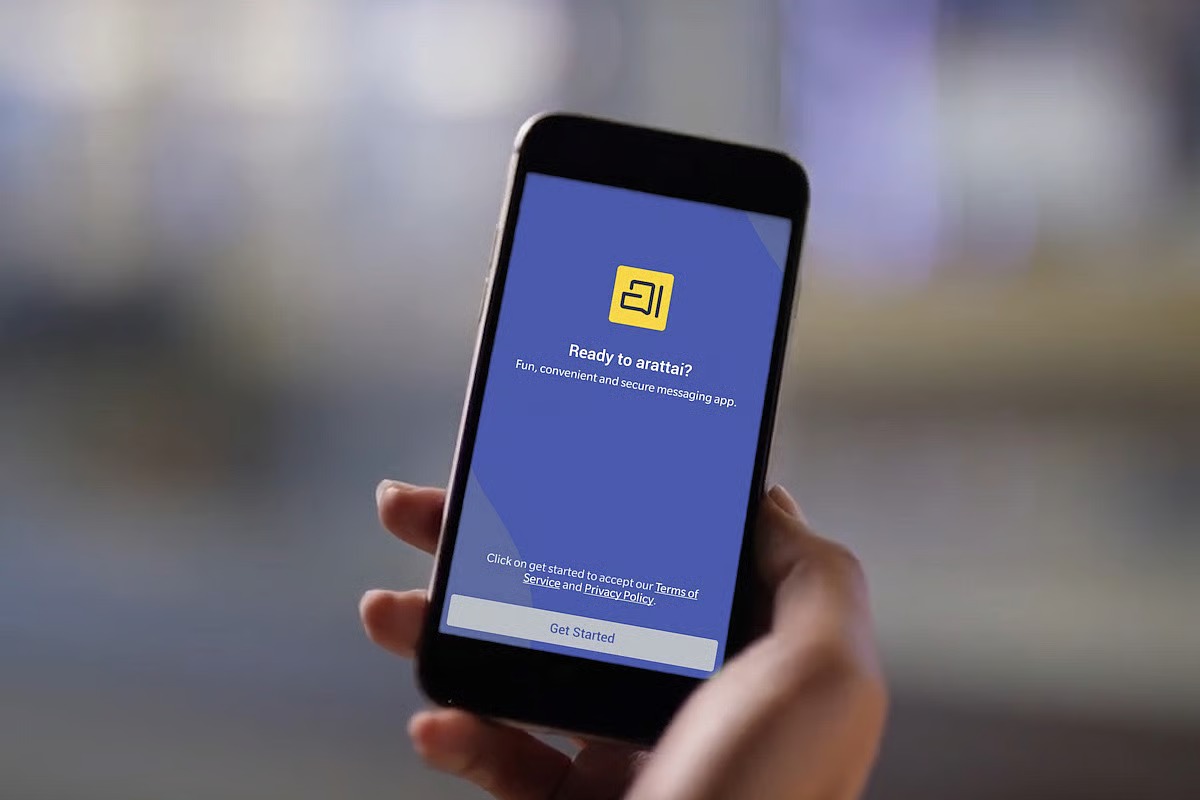
The Indian messaging app Arattai, developed by Chennai-based tech giant Zoho, has swiftly climbed to the number one spot across major app stores in India, gaining remarkable traction as a "Made-in-India" alternative to global messaging platforms. Riding a wave of public endorsements, growing user curiosity, and its privacy-first approach, Arattai has captured attention but now faces the challenge of scaling infrastructure to meet soaring demand.
Key Highlights Of Arattai’s Meteoric Rise
Arattai surged to the top rankings in India’s app stores after endorsements from government officials including Union Education Minister Dharmendra Pradhan who promoted it as secure, easy-to-use, and part of the Swadeshi digital push.
The app’s user-friendly design offers core messaging functions such as one-on-one and group chats, voice notes, media sharing, audio/video calls with promised end-to-end encryption, story updates, and multi-device support including desktop and Android TV apps.
Privacy is a major selling point: Zoho emphasizes that Arattai does not monetize user data, countering concerns about surveillance and data mining prevalent in many global apps.
Despite rapid popularity, the app is still under alpha development, with features like end-to-end encryption for chats actively being worked on but not yet implemented.
High server demand resulting from the surge in downloads has caused some temporary issues like OTP delays, slower contact synchronization, and brief lag in message syncing across devices.
Zoho publicly acknowledged these infrastructure challenges and confirmed it is swiftly working to expand server capacity to provide a smooth user experience shortly.
How Arattai Stands Out Amid Fierce Competition
While WhatsApp continues to dominate India with over 500 million users, Arattai attracts users on the back of rising digital sovereignty concerns and demand for indigenous, spyware-free alternatives. Tech entrepreneur Vivek Wadhwa praised the app for closely matching WhatsApp’s usability and called it “India’s WhatsApp killer,” although he humorously suggested rebranding for easier global pronunciation.
Arattai’s lean design optimized for low-end smartphones and low-bandwidth environments further broadens its appeal, enabling communication in digitally underserved rural and semi-urban areas where connectivity challenges persist. This focus is a strategic lever for Zoho to tap into markets left underserved by heavier apps.
Infrastructure Strains And User Experience
The success surge brought typical scaling pains. Users have reported issues including:
Delays or failures in receiving OTPs when registering or logging in
Slower synchronization of contacts across devices
Calls facing occasional interruptions due to server overloads
Zoho’s CEO Sridhar Vembu and the engineering team have openly communicated these issues to maintain user trust while working to swiftly reinforce infrastructure. The company estimates the server expansion and load balancing will normalize performance in a few days.
The Road Ahead: Can Arattai Sustain Growth?
The monumental moment for Arattai is its climb to app store leadership, but the real test will be sustaining user engagement beyond initial downloads. The absence of chat end-to-end encryption for now remains a key gap that could slow mass adoption against entrenched rivals like WhatsApp who provide robust encryption on all communication forms.
Nonetheless, Zoho’s commitment to privacy, low resource requirements, and alignment with national digital initiatives position Arattai as a serious contender in India’s messaging ecosystem. The company’s ability to execute on infrastructure scaling and feature rollout will determine if Arattai can convert curiosity into a loyal user base and truly challenge global platforms.
For now, Zoho and Arattai enjoy the spotlight of their No 1 app store ranking, signaling a promising rise of homegrown digital innovation amid an increasingly privacy-conscious Indian user base.
Sources: India Today, Economic Times, Financial Express, Hindustan Times, Indian Express