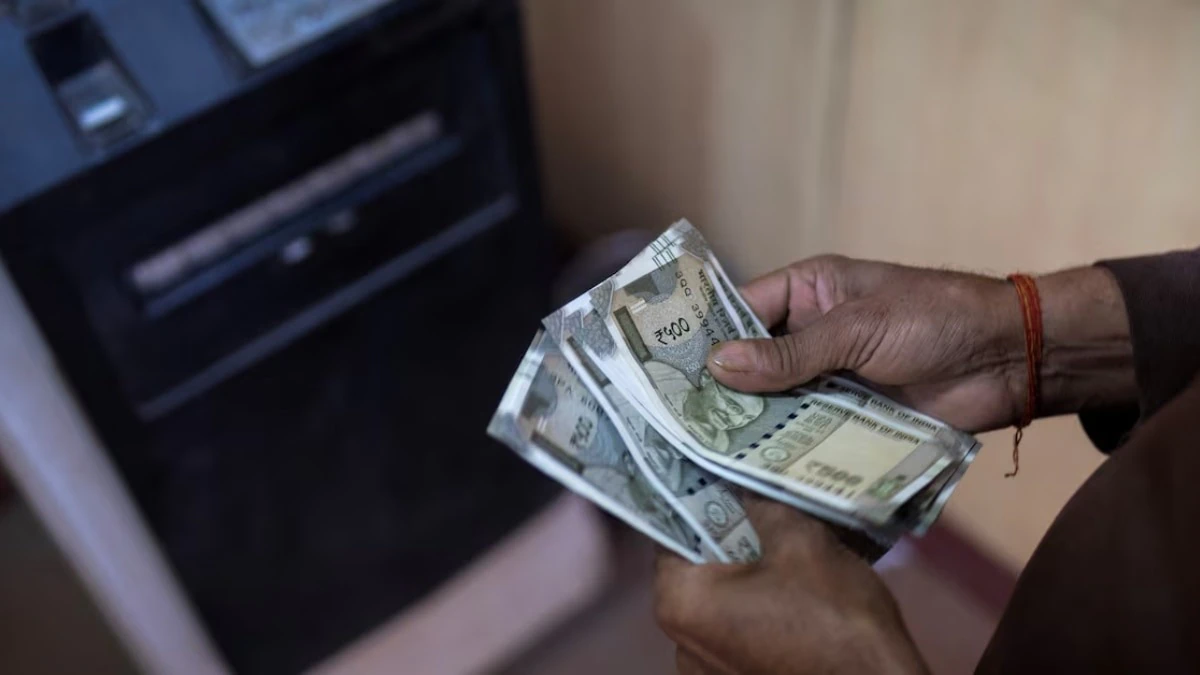
The Confederation of ATM Industry (CATMi) has warned that ATMs in rural and tier-2/3 hubs face severe cash shortages. Operators claim banks are disproportionately routing physical currency to metro centers, leaving provincial hubs under-supplied. This distribution imbalance, coupled with high operating costs, threatens to cut off critical financial access for cash-dependent populations.
MUMBAI -The Confederation of ATM Industry (CATMi) has issued a formal warning stating that automated teller machines (ATMs) in tier-2, tier-3, and rural hubs face an imminent risk of running out of cash. In an official communication submitted to regulatory and banking representatives on June 5, 2026, the industry body disclosed that cash replenishment levels have fallen drastically behind seasonal operational demands. The organization stated that if rapid supply corrections are not executed by commercial banks, localized cash supply networks across smaller hubs risk systematic disruption, leaving millions of cash-dependent regional consumers underserved.
CATMi Faults Disproportionate Cash Allocation to Metro Cities
The current operational friction stems from an asymmetric distribution of physical currency within India’s commercial banking infrastructure. According to a formal grievance filed by CATMi during a joint stakeholder review meeting with banking officials, the underlying crunch is heavily concentrated within the state-run banking network, notably affecting the State Bank of India (SBI), which oversees the nation's largest fleet of approximately 65,000 cash dispensing machines.
Industry representatives stated that financial institutions have been disproportionately channeling bulk currency reserves directly into metro locations and tier-1 economic centers. This logistics strategy leaves off-site machines situated across rural, semi-urban, and mid-sized industrial centers severely under-supplied.
Data compiled within the industrial report details a steep slide in monthly cash fulfillment metrics across the sector:
November 2025 Baseline: Cash fulfillment levels sat at a manageable 80%.
March 2026 Metrics: Available loading currency dropped to 64% of absolute operational demand.
April 2026 Metrics: Fulfillment plunged further to just 57%, creating a localized 43% supply gap.
"Since late December 2025, our members have faced sustained difficulty drawing cash for ATM loading from bank branches and currency chests across several states," CATMi stated in its written brief. The organization has set a resolution deadline of June 20, 2026, requesting banks to regularize supply channels or risk visible regional service outages.
Soaring Operational Overheads Collide With Digital Shift
The structural instability in cash replenishment is being intensified by a persistent contraction in overall ATM transaction velocity across the country. According to official data monitored by the Reserve Bank of India, monthly ATM cash withdrawals across the broader banking landscape systematically retracted from nearly 570 million transactions in January 2023 down to 439.5 million transactions.
This drop is heavily tied to consumer migration toward digital alternatives like the Unified Payments Interface (UPI). While currency in circulation across the domestic economy remains at a historic high of over ₹42.56 lakh crore, the drop-off in specialized ATM transactions has eroded the core revenue model for white-label operators who survive on thin, per-transaction interchange fees.
Compounding this structural decline in transaction counts are sharp spikes in on-ground maintenance overheads. ATM managers have had to absorb state-level minimum wage increases of up to 60% alongside elevated commercial fuel prices, which drastically swell the cost of secure cash transport vans. CATMi noted that the industry's aggregate transaction losses have already surpassed ₹100 crore, warning that the financial stress could trigger wider network consolidation if basic cash flows are left broken.
Official Sources Section
Confederation of ATM Industry (CATMi): Official memorandum and grievance register filed with the Indian Banks' Association (IBA).
Reserve Bank of India (RBI): Currency in Circulation (CiC) datasets and banking transaction logs for 2026.
State Bank of India (SBI): Corporate network allocation and currency chest management briefs.
Quote Section
"The issue is specific to SBI. There is a real currency shortage—while smaller banks are managing, SBI has been caught in the wrong corner. Most cash is being channelled to tier 1 locations, leaving the rest of the network under-supplied."
— Anonymous Chief Executive Officer, Indian ATM Logistics Firm
"We will ensure if there is a shortage, we have sufficient currency to go and fill and refill the ATMs and bank branches."
— Sanjay Malhotra, Governor, Reserve Bank of India
Why It Matters
While urban consumers in capital cities can easily pivot to digital payments during brief ATM outages, rural communities, agricultural centers, and small trading towns remain deeply anchored to tangible currency. A sustained cash depletion within tier-2 and tier-3 regional hubs directly disrupts vulnerable daily-wage laborers, local produce markets, senior citizen pensioners, and welfare recipients who draw direct government financial benefits from local machines. If machines stay empty, local commerce face instant transactional friction.
Key Facts at a Glance
Supply Deficit: White-label ATM operators received only 57% of their required cash allocations during seasonal peaks, resulting in a 43% supply gap.
Urban Concentration: Industry groups claim that major retail banks are routing disproportionate quantities of currency into tier-1 metro branches at the cost of smaller towns.
Rising Deficit: Escalating operations have cost the ATM management sector over ₹100 crore in lost transaction fees and idle equipment charges.
Shrinking Footprint: Due to mounting operational costs and lower transaction volume, the total number of physical ATMs across India fell to approximately 251,000 units.
FAQ Section
Is there an actual shortage of physical money in the broader economy?
No. Data from the central bank demonstrates that currency in circulation remains at historic highs, expanding 12% year-on-year to over ₹42.56 lakh crore. The issue is a regional distribution imbalance, as banks route bulk cash reserves primarily into major metropolitan hubs.
How are rural and tier-3 consumers impacted by these empty machines?
Smaller hubs feature lower smartphone penetration and limited digital merchant adoption. Consumers relying on cash for daily necessities, welfare payouts, and agricultural trading face severe travel times to find functioning cash machines when local infrastructure remains dry.
What steps are being taken to fix the regional ATM cash shortage?
CATMi has issued a formal resolution demand to bank administrations to rebalance cash distribution before June 20, 2026. Simultaneously, the Reserve Bank of India has signaled that it will deploy additional reserves to local currency chests where prolonged shortages are identified.
Source: Official regulatory circulars published by the Reserve Bank of India, industrial stakeholder statements from the Confederation of ATM Industry, and regional distribution registers audited by the Indian Banks' Association.