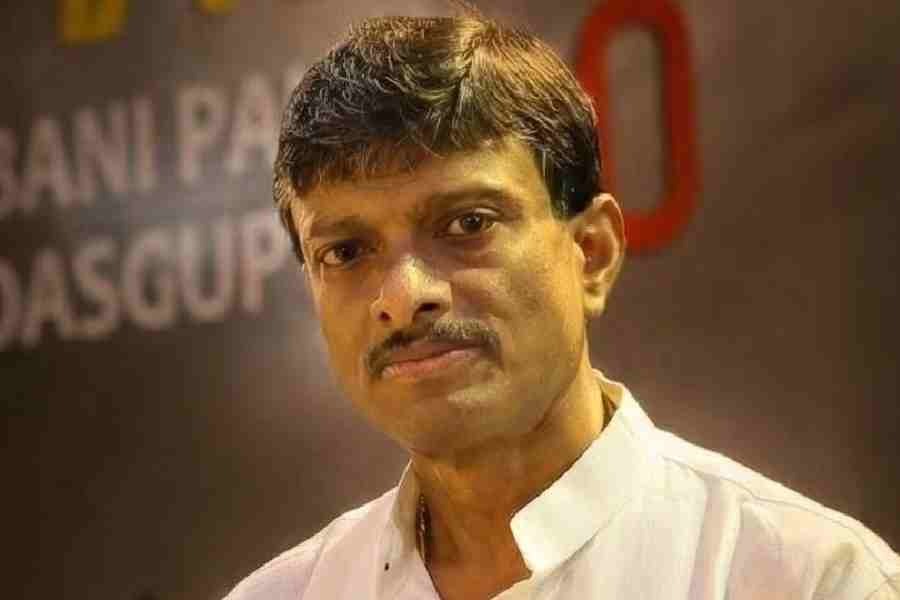
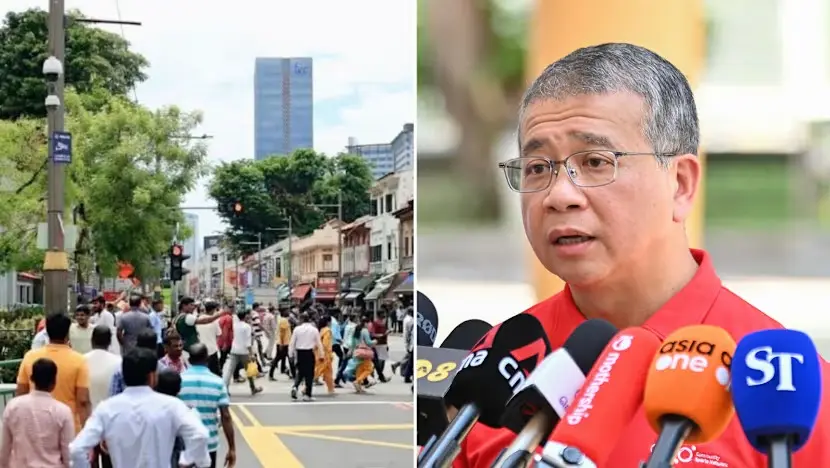
West Bengal is witnessing a wave of public anger as arrested TMC councillors Bappaditya Dasgupta and Mohammad Jasimuddin were targeted in public egg attacks over the weekend. Facing charges of extortion and assault, the leaders faced irate crowds, prompting heavy paramilitary deployment and forcing the party to cancel major organizational meetings.
KOLKATA — Simmering political and social resentment boiled over into open unrest across West Bengal as multiple prominent Trinamool Congress (TMC) figures faced consecutive public egg attacks over the weekend. Arriving slightly more than a month after the party's defeat in the 2026 West Bengal Legislative Assembly elections, the volatile demonstrations hit high-profile targets, including recently arrested Kolkata Municipal Corporation (KMC) councillors Bappaditya Dasgupta and Mohammad Jasimuddin.
The escalating pattern of localized "egg protests" highlights a significant shift in the state's security climate, with citizens actively targeting former ruling party functionaries accused of systemic extortion, land-grabbing, and intimidation. Law enforcement officials confirmed that the intensity of the public backlash has forced the immediate deployment of central paramilitary battalions to maintain municipal order and safeguard transit corridors around regional judicial centers.
Violent Confrontation Outside Patuli Police Station
The most acute flashpoint materialized in southeast Kolkata on Sunday, June 7, 2026, when hundreds of agitated neighborhood residents swarmed the exterior gates of the Patuli police station. The assembly gathered to protest against Bappaditya Dasgupta, the TMC councillor representing KMC Ward 101, who had been taken into custody the previous evening alongside an associate, Sourav Ghosh.
According to a case file layout shared by the Kolkata Police, Dasgupta faces stringent charges under the Bharatiya Nyay Sanhita (BNS), spanning criminal trespass, extortion, criminal intimidation, and attempted arson. The statutory intervention follows an explicit criminal complaint filed by Paramita Dey, a local advocate. Dey alleged that the councillor aggressively demanded a ₹20 lakh "cut money" payment to permit the construction of a legal chamber at her private residence, eventually extorting ₹2 lakh through sustained harassment.
The operational environment turned highly volatile as joint police and central paramilitary squads emerged to escort Dasgupta to the Alipore court. Protesters successfully breached the secondary security perimeter, pelting the transport convoy with multiple crates of eggs while chanting slogans labeling the politician a "thief."
Standoff and Mass Agitation on College Street
Less than 15 hours after Dasgupta's detention, KMC Ward 39 Councillor Mohammad Jasimuddin became the eighth municipal representative arrested within a fortnight. Jasimuddin was extracted from his College Street residence following a tense, five-and-a-half-hour overnight standoff with Jorasanko police personnel, who eventually utilized a locksmith to bypass the building's fortified entrance.
The underlying prosecution traces back to an ongoing Protection of Children from Sexual Offences (POCSO) Act investigation dating to 2023. Tensions exploded into active street battles after Jasimuddin’s supporters allegedly assaulted the primary victim—now a college student—on a deserted street on Saturday night in an attempt to compel the immediate withdrawal of the criminal suit.
The localized data highlights the immediate civic pushback:
Neighborhood Counter-Protest: Hundreds of local residents formed spontaneous blockades to prevent TMC block cadres from obstructing the police transport van.
Volumetric Assault: Agitated civilian clusters pelted Jasimuddin with eggs as he was led out of his home, forcing security forces to implement a mild baton charge to clear the avenue.
Evidentiary Tampering Claims: Community members filed concurrent grievances accusing the councillor’s aides of intentionally destroying localized CCTV infrastructure to suppress assault evidence.
Broader Structural Rebellion and Organizational Cancellations
The successive targeting of Dasgupta and Jasimuddin follows similar public confrontations directed at other high-tier party leaders, including former ministers and regional lawmakers. Senior TMC general secretary Abhishek Banerjee was forced to utilize protective headgear on May 30 after encountering an irate, egg-hurling crowd in Sonarpur, while a vehicle convoy transporting senior lawmaker Madan Mitra was similarly targeted in Kamarhati on Saturday night.
The rapid contagion of these public demonstrations has severely disrupted the political group's internal administrative routines. Out of direct apprehension regarding coordinated egg attacks against municipal representatives, TMC managers abruptly cancelled a mandatory mass assembly of city councillors scheduled to convene at the Trinamool Bhavan along Kolkata's Eastern Metropolitan Bypass on Sunday afternoon.
Official Sources Section
The specific criminal charges, arrest timelines, and operational deployment records were verified via official statements published by the Lalbazar Police Headquarters and formal court remand submissions filed before the Alipore Judicial Magistrate.
Quote Section
The political opposition framed the public outbursts as the natural dismantling of institutional fear following the recent transition of state governance:
"These outbursts from people are the fallout of the long-term torture they have been subjected to by these TMC leaders," stated Indranil Khan, a minister within the newly elected regional administration. "People are now coming out to register complaints because they trust the slogan of 'Bhoy out, Bharosa in' [Fear out, Confidence in]."
Why It Matters
For residents, business owners, and real estate developers across West Bengal, the sudden collapse of local political intimidation networks signals a major shift in day-to-day operations. The erosion of political immunity allows citizens to report long-standing grievances regarding extortion and land-grabbing without fear of immediate retribution. However, the reliance on street-level vigilantism and retaliatory attacks also underscores a volatile transitional phase for municipal stability, requiring state security bodies to quickly restore institutional rule of law to prevent localized civil unrest.
Key Facts at a Glance
Councillors Detained: Two prominent Kolkata Municipal Corporation councillors, Bappaditya Dasgupta and Mohammad Jasimuddin, were arrested in a 15-hour window.
Extortion Charges: Dasgupta is accused of demanding a ₹20 lakh extortion payment from a local advocate to allow home-office construction.
POCSO Standoff: Jasimuddin was arrested under BNS and POCSO provisions following a dramatic five-hour police standoff on College Street.
Conferences Aborted: Fearing escalating egg attacks on its cadres, the TMC cancelled its high-level municipal council convention in Kolkata.
Judicial Remand: The Alipore court has formally remanded the accused into extended police custody to facilitate scene reconstructions.
FAQ Section
1. What caused the sudden wave of egg attacks against TMC leaders?
The egg attacks represent spontaneous public outrage following the TMC's defeat in the 2026 assembly elections. Long-suppressed grievances regarding financial extortion, local intimidation, and corruption are surfacing as citizens confront weakened local leaders.
2. What specific criminal charges do Bappaditya Dasgupta and Md Jasimuddin face?
Bappaditya Dasgupta faces BNS charges for extortion, criminal trespass, and attempted arson. Mohammad Jasimuddin faces charges of criminal intimidation, assault, and violations connected to a 2023 POCSO case.
3. How did the TMC react to the ongoing threat of public egg pelting?
Out of direct concern for the safety of its elected officials, the party high command canceled a major scheduled meeting of all municipal councillors at the main Trinamool Bhavan on Sunday.
4. What steps are authorities taking to control the street protests?
Kolkata Police, supported by central paramilitary forces, have increased security footprints around police stations and courts, utilizing mild baton charges and riot gear to protect transport convoys from angry mobs.
Source: Official arrest logs from the Kolkata Police Department, statutory case diaries from the Jorasanko and Patuli police stations, and judicial filings from the Alipore Court.