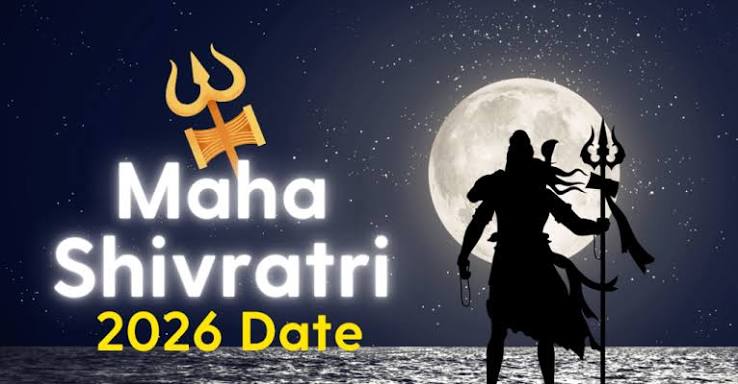
Sawan Shivratri 2026 will be observed on Tuesday, August 11, across India. The Krishna Paksha Chaturdashi Tithi begins at 4:54 AM on August 11 and concludes at 1:52 AM on August 12. While Sawan Shivratri derives its sanctity from the holy Shravan month, Maha Shivratri marks the grand annual celebration of Shiva-Parvati's union in Phalguna.
NEW DELHI — Hindu scholars and Vedic panchang authorities have clarified that Sawan Shivratri 2026 will be observed on Tuesday, August 11, resolving public confusion regarding whether the festival falls on August 11 or August 12. According to traditional astronomical calculations released by leading religious bodies and Vedic scholars, the Shravan Krishna Paksha Chaturdashi Tithi commences at 4:54 AM on August 11 and concludes at 1:52 AM on August 12.
Because core Shivratri rituals—specifically the midnight Nishita Kaal worship and four-watch (Char Prahar) night vigils—fall during the night of August 11, religious institutions confirm that the primary fast and temple observances take place on August 11. This clarification is essential today for millions of Kanwar Yatra pilgrims, temple trusts, municipal authorities, and security personnel managing large-scale public gatherings across major pilgrimage corridors in Northern and Central India.
Why Calendar Searches Show Both August 11 and 12
The calendar ambiguity stems from the astronomical overlap of the lunar day (tithi). In Hindu lunar calendars, a tithi is determined by the precise angular distance between the Sun and the Moon. The 14th day of the waning moon (Krishna Chaturdashi) spans nearly 21 hours continuously from early morning on August 11 through the early morning hours of August 12.
Vedic priests at major religious centers, including Varanasi and Ujjain, explain that Shivratri is fundamentally a nocturnal festival centered around Nishita Kaal—the midnight astronomical period. In 2026, the Nishita Kaal window falls between 12:05 AM and 12:48 AM on August 12 (the night of August 11). Consequently, devotees keep their fast (vrat) on August 11, participate in midnight prayers, and complete the ritual fast-breaking (parana) after sunrise on August 12.
Difference Between Sawan Shivratri and Maha Shivratri
While both festivals honor Lord Shiva and share similar ritual procedures such as Jalabhishek (sacred water offering), fasting, and chanting Om Namah Shivaya they hold distinct seasonal, mythological, and astronomical significance:
Seasonal Placement: Sawan Shivratri occurs during the monsoon month of Shravan (typically July–August). In contrast, Maha Shivratri is the grand annual festival celebrated in the Hindu month of Phalguna (typically February–March).
Frequency and Scale: Every lunar month features a Masik Shivratri (monthly Shivratri) on its 14th night. Sawan Shivratri is the monthly Shivratri that falls within Lord Shiva's dedicated holy month of Shravan, making it second in importance only to Maha Shivratri.
Mythological Heritage: Maha Shivratri commemorates the divine marriage of Lord Shiva and Goddess Parvati, as well as the cosmic performance of the Tandava dance. Sawan Shivratri is historically linked to the Samudra Manthan (churning of the ocean), during which Shiva consumed the Halahala (poison) to protect the universe, prompting devotees to offer cooling water and milk over the Shivling.
| Attribute | Sawan Shivratri | Maha Shivratri |
| Hindu Month | Shravan (Monsoon / July–Aug) | Phalguna (Late Winter / Feb–March) |
| Type of Observance | Sacred Monthly (Masik) Shivratri | Grand Annual (Maha) Shivratri |
| Primary Theme | Cooling offerings (Jalabhishek) during Shravan | Cosmic union of Shiva and Shakti |
| Cultural Highlight | Culmination of Kanwar Yatra pilgrimages | All-night temple vigils and processions nationwide |
Impact on Pilgrims, Local Infrastructure, and Security
The formal confirmation of the Sawan Shivratri date on August 11 enables state police forces in Uttar Pradesh, Uttarakhand, Haryana, and Delhi to manage crowd control along Kanwar Yatra corridors. Millions of Kanvarias carrying sacred Ganga water from Haridwar, Gaumukh, and Sultanganj pour onto highways toward major shrines such as Kashi Vishwanath, Baidyanath Dham, and Mahakaleshwar.
Municipal agencies have established medical camps, temporary rest shelters, and traffic diversions along national highways. Indian Railways has deployed special passenger services to handle the seasonal surge of devotees traveling to major Jyotirlinga temples.
Official Sources
According to official festival schedules, panchang publications, and government advisories:
Official Statements
Confirming the calendar observance for 2026, senior scholars from the Kashi Vidvat Parishad in Varanasi stated:
"According to panchang calculations, the Chaturdashi Tithi of Shravan month initiates on August 11 at 4:54 AM and continues past midnight. Because Shivratri requires night-time worship (Ratri Vyapini Tithi), the fast and midnight Nishita Kaal rituals must be observed on the night of August 11."
Why It Matters
Determining the precise date for Sawan Shivratri ensures that millions of devotees can align their fasting schedules, travel itineraries, and temple visits accurately. For administrative authorities, a unified calendar date prevents logistics bottlenecks and maintains public safety across high-density pilgrimage routes throughout Northern India.
Key Facts at a Glance
Confirmed Date: Sawan Shivratri 2026 takes place on Tuesday, August 11.
Tithi Duration: Chaturdashi Tithi begins August 11 at 04:54 AM and ends August 12 at 01:52 AM.
Midnight Muhurat: The sacred Nishita Kaal puja window runs from 12:05 AM to 12:48 AM on August 12 (night of Aug 11).
Key Distinction: Sawan Shivratri occurs in Shravan month, whereas Maha Shivratri occurs annually in Phalguna.
Frequently Asked Questions
Is Sawan Shivratri 2026 on August 11 or August 12?
Sawan Shivratri 2026 is observed on Tuesday, August 11. Although the Chaturdashi Tithi extends into the early hours of August 12, the night-time rituals and fast take place on August 11.
What is the best time for Jalabhishek on Sawan Shivratri?
Water offerings can be made throughout the Chaturdashi window from 4:54 AM on August 11 to 1:52 AM on August 12. The most auspicious window for midnight worship (Nishita Kaal) is between 12:05 AM and 12:48 AM on August 12.
What is the primary difference between Sawan Shivratri and Maha Shivratri?
Sawan Shivratri is the monthly Shivratri falling in the sacred monsoon month of Shravan. Maha Shivratri is the principal annual festival celebrated in the month of Phalguna to mark the divine marriage of Lord Shiva and Goddess Parvati.
Source: Drik Panchang, Shri Kashi Vishwanath Temple Trust, Shree Mahakaleshwar Temple Management Committee, The Economic Times