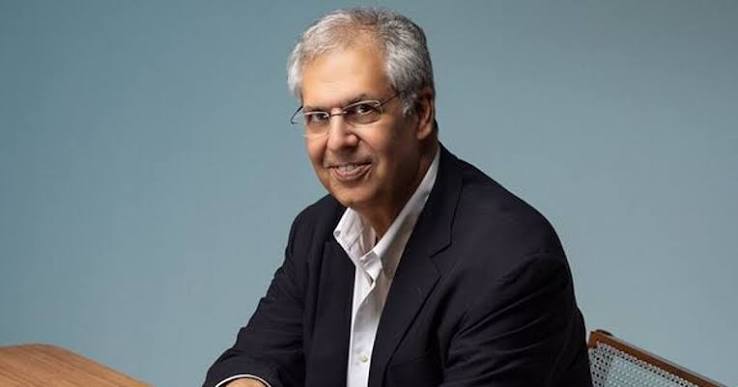
Under Tata Trusts Chairman Noel Tata, the Tata Group is navigating a major leadership and governance transition. Emphasizing disciplined capital allocation, a segmented executive structure, and a strategic pivot toward institutional philanthropy, the new mandate aims to secure the conglomerate's long-term operational and social objectives.
MUMBAI — Following a high-stakes period of boardroom restructuring and strategic evaluations, Tata Trusts Chairman Noel Tata has asserted a definitive governance mandate for India’s largest conglomerate. The leadership framework emphasizes structural accountability, disciplined capital allocation, and a strategic pivot toward institutional philanthropy.
The evolving mandate comes at a critical juncture for Bombay House. With Tata Sons Chairman Natarajan Chandrasekaran slated to conclude his current tenure, the holding structure is navigating complex decisions regarding executive succession, capital commitments to high-growth ventures like Air India, and long-term group alignment with foundational public objectives.
Governance Overhaul and Leadership Succession
The core of Noel Tata’s strategic framework involves a modernized approach to group leadership and holding company oversight. Tata Trusts—which holds a controlling 65.9 percent stake in Tata Sons—is actively steering discussions toward a segmented leadership architecture. This model proposes separating the roles of a non-executive chairman, a dedicated chief executive officer and managing director, and a deputy CEO to distribute operating authority and enhance transparency.
The succession process has narrowed its focus across internal and external contenders, with executive leadership evaluations anticipated to conclude ahead of upcoming operational transitions. Concurrently, recent regulatory clearances—including the closure of legacy inquiries by the Maharashtra Charity Commissioner regarding historical share transfers—have reinforced administrative stability within the philanthropic trusts.
According to corporate disclosures, trust filings, and internal boardroom updates:
Trust Control: Tata Trusts maintains its foundational 65.9% stake in Tata Sons, directing the long-term vision of the conglomerate.
Leadership Structure: Proposals advocate transitioning from a unified executive chairmanship to a tiered model featuring a non-executive chairman, CEO, and deputy CEO.
Capital Allocation: Strategic investments—including recent funding frameworks for Air India—are subject to rigorous business-case validations.
Philanthropic Expansion: A major shift toward building enduring institutions, focusing on 40 to 50 not-for-profit hospitals and advanced educational partnerships.
Official Sources Section
Quote Section
"According to institutional statements and corporate governance reports, the renewed leadership mandate seeks to balance commercial enterprise performance with the foundational philanthropic ethos established by the group's founders."
Why It Matters
For investors, market analysts, and employees across the two dozen listed Tata entities—including Tata Consultancy Services and Tata Steel—the governance transition dictates how capital is deployed across traditional manufacturing and new-age digital ventures. A disciplined approach to capital expenditure ensures financial resilience while preserving the group's unique philanthropic commitments.
Key Facts at a Glance
Current Leadership: Noel Tata serves as Chairman of Tata Trusts.
Strategic Focus: Transitioning philanthropy from grant-making to long-term institution building in healthcare and education.
Holding Structure: Tata Trusts commands a ~66% equity stake in Tata Sons.
Key Priority: Establishing rigorous capital-efficiency metrics across all major group subsidiaries.
FAQ Section
What is the core focus of Noel Tata's new mandate for the Tata Group?
The mandate prioritizes structural governance reform, segmented executive leadership at Tata Sons, disciplined capital allocation, and an institutional shift toward large-scale healthcare and education philanthropy.
How does Tata Trusts influence decisions at Tata Sons?
Tata Trusts holds a controlling 65.9 percent stake in Tata Sons, utilizing its voting rights and nominee directors to guide strategic oversight and leadership appointments.
What structural changes are proposed for the Tata Sons leadership?
Discussions center on dividing executive powers by introducing a non-executive chairman alongside a chief executive officer and a deputy CEO.
Where can stakeholders track official updates regarding Tata group governance?
Official corporate releases, press statements, and regulatory filings are published via the Tata Group Official Portal and Tata Trusts site.
Source: Tata Trusts, Tata Sons Corporate Disclosures, The Hindu Business Bureau, Economic Times Corporate Bureau