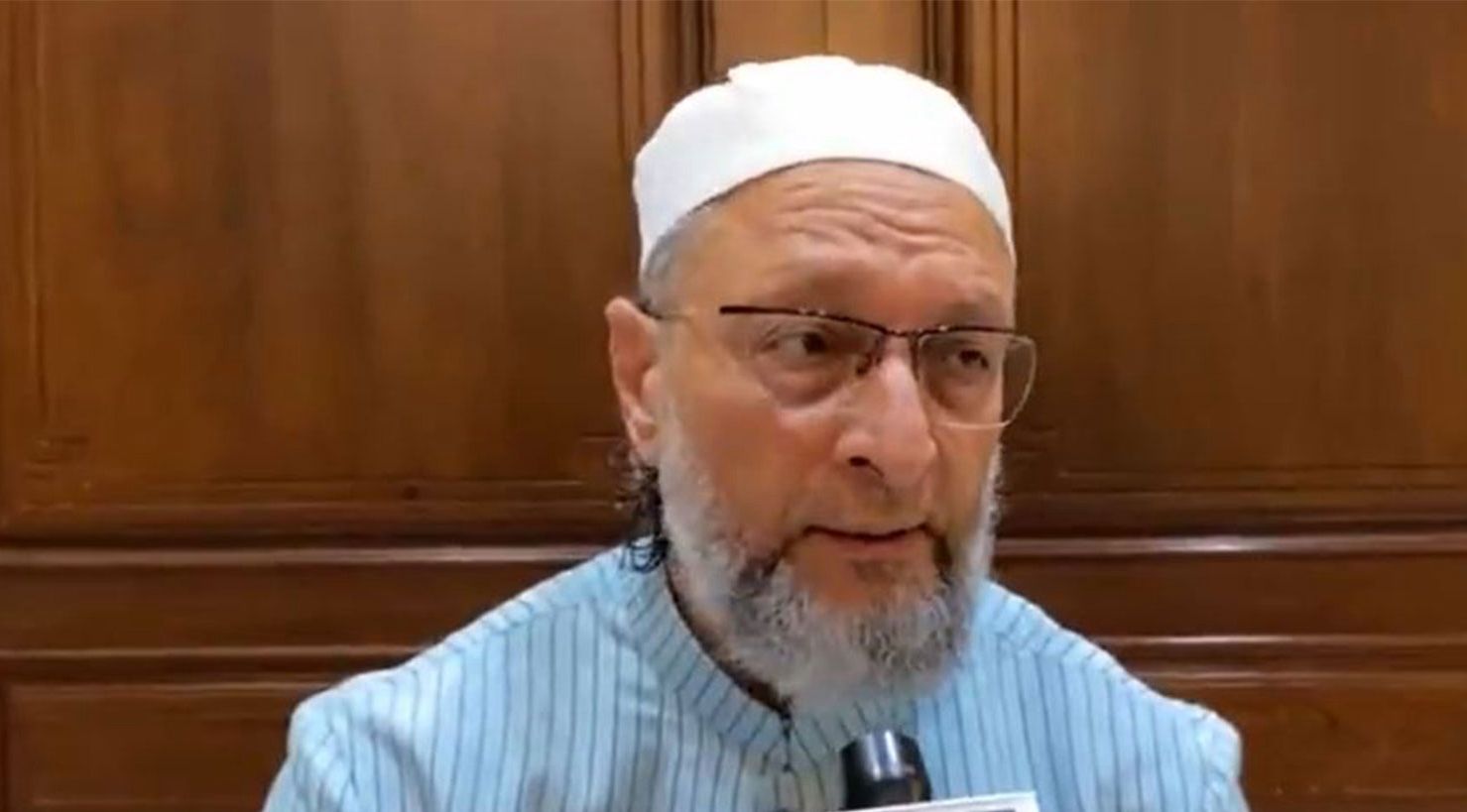
All India Majlis-e-Ittehadul Muslimeen (AIMIM) Chief Asaduddin Owaisi criticized Uttarakhand’s Uniform Civil Code, labeling it a "cut-and-paste" legislative effort. Speaking to reporters in Jaipur, Owaisi argued that the law compromises India's foundational pluralism and diversity by importing provisions from existing Hindu personal acts while exempting specific communities.
Backed by official statements and political briefings, the AIMIM leadership has launched a sharp critique against state-level uniform civil legislation, citing constitutional friction.
Escalating political opposition against standardized state-level legal frameworks, All India Majlis-e-Ittehadul Muslimeen (AIMIM) Chief Asaduddin Owaisi has launched a scathing attack on the Uniform Civil Code (UCC) implemented in Uttarakhand. Disclosed during a media interaction in Jaipur on Sunday, September 6, 2026, the AIMIM parliamentarian characterized the code as a superficial "cut-and-paste job" that undermines the constitutional fabric of India.
Owaisi argued that the legislation selectively incorporates provisions from existing central statutes—such as the Hindu Marriage Act and Hindu Succession Act—while failing to uphold true uniformity due to specific community exemptions and tribal carve-outs.
Evaluating Legislative Frameworks, Statutory Exclusions, and Pluralism
Analyzing the structural composition of the Uttarakhand civil framework reveals ongoing tensions between uniform state mandates and pluralistic protections. According to official party statements and legislative summaries released in September 2026, core points of contention include:
Borrowed Statutory Provisions: Owaisi pointed out that the code borrows heavily from pre-existing legislation governing Hindu marriage, divorce, and succession without establishing an independent uniform matrix.
Constitutional Contradictions: The AIMIM chief asserted that imposing standard rules across diverse religious communities infringes upon fundamental freedoms guaranteed under Articles 25 and 29 of the Indian Constitution.
Exemptions and Scope: Critics continue to challenge the legislative consistency of the state code given the protection of existing customs and the exclusion of specific tribal populations.
Broader Political Impact: The remarks arrive as regional political parties realign their strategies ahead of upcoming urban local body elections and broader state-level legislative debates.
Why It Matters
The practical implications of ongoing legal and political pushback against state-level uniform civil codes affect legislative uniformity, minority rights jurisprudence, and federal-state dynamics in India. For lawmakers and constitutional experts, the debate highlights the persistent friction between enacting standardized civil codes and maintaining protections for indigenous customs and diverse religious practices. For citizens and legal analysts, these ongoing challenges signal that civil code implementation will remain a central point of judicial and parliamentary contention.
Key Facts at a Glance
Primary Critic: Asaduddin Owaisi, President, All India Majlis-e-Ittehadul Muslimeen (AIMIM).
Core Legislation: Uttarakhand Uniform Civil Code (UCC) framework.
Key Objection: Characterized as a "cut-and-paste" model conflicting with constitutional pluralism and diversity.
Location of Statement: Jaipur, Rajasthan.
FAQ Section
What did Asaduddin Owaisi mean by calling the Uttarakhand UCC a "cut-and-paste job"?
Owaisi argued that the code merely repackages sections from existing statutes like the Hindu Marriage Act and Hindu Succession Act while offering exemptions to certain communities, failing to create a genuinely universal framework.
Which constitutional articles did Owaisi cite regarding religious freedom?
Critics of uniform personal law codes frequently reference Articles 25 and 29 of the Indian Constitution, which protect freedom of conscience and the right to conserve distinct cultural and religious practices.
Are all communities in Uttarakhand covered under the new civil code?
No, the legislation explicitly protects certain local customs and exempts the state's tribal populations from specific provisions of the code.
Where can citizens review official documentation on the Uttarakhand Uniform Civil Code?
Official gazette notifications, amendments, and administrative clarifications are published through the Government of Uttarakhand Portal.
Source: ANI News Service, Government of Uttarakhand Portal, The Hindu, Hindustan Times