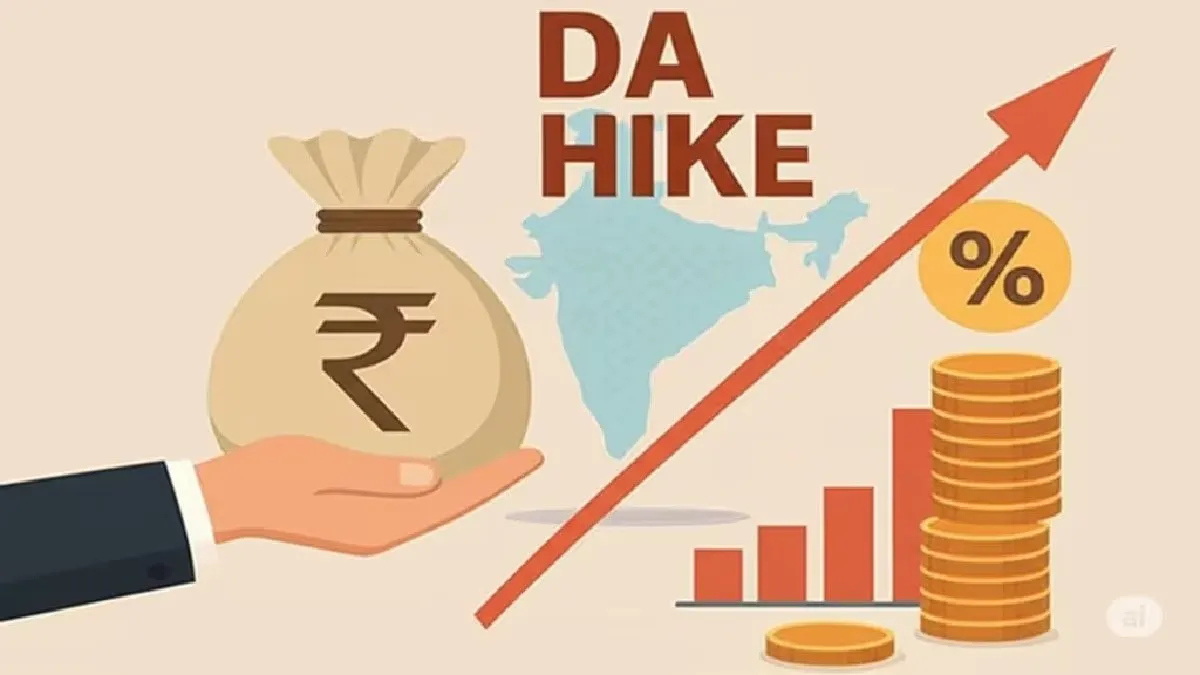
While speculation suggests a November announcement, historical trends indicate the Union Cabinet typically approves the mid-year DA hike in September or October ahead of festive holidays. Calculated using Labour Bureau CPI-IW metrics, the expected 3% increase will benefit over one crore employees and pensioners retrospectively from July 1.
NEW DELHI — Speculation over the timing of the next central government dearness allowance revision has intensified across federal employee unions, with past administrative trends indicating that an official announcement is more likely to arrive in September or October ahead of major festive holidays rather than November. The Union Cabinet typically approves the biannual adjustment following the compilation of industrial inflation metrics, a process directly affecting monthly remuneration and retirement disbursements for approximately 50 lakh active staff members and nearly 65 lakh pensioners nationwide. With the All-India Consumer Price Index for Industrial Workers (CPI-IW) datasets for the preceding six months formally finalized, the pending adjustment will provide statutory financial relief against retail price inflation.
Historical Announcement Timelines and Festive Precedents
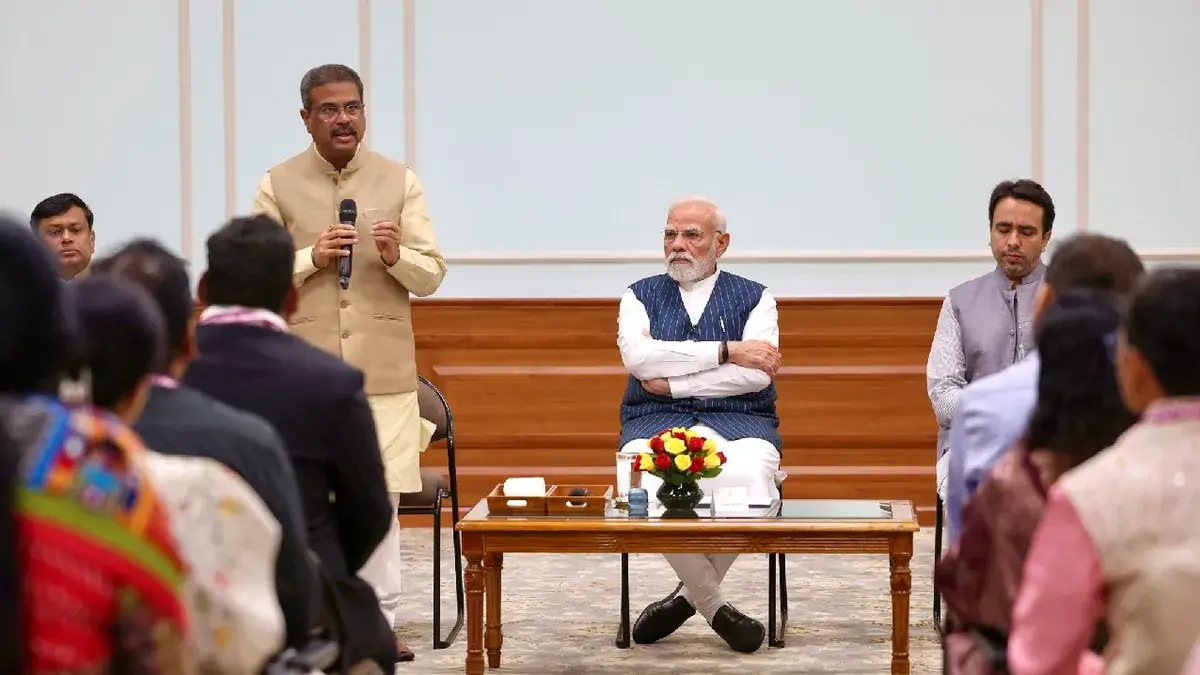
Administrative precedents over the past five financial cycles show that second-half dearness allowance adjustments rarely spill over into November. While the revised rate comes into legal force retrospectively from July 1, the Union Cabinet chaired by Prime Minister Narendra Modi historically clears the proposal between late September and mid-October.
The primary operational driver behind this schedule is the national festival season, notably Dussehra and Diwali. Historically, the central executive aims to disburse updated salaries and retrospective arrears before festive holidays commence to bolster household disposable income and retail consumption. In 2022, 2023, 2024, and 2025, announcements were consistently authorized in September or October. November implementations have occurred exclusively when extraordinary administrative circumstances, strict model codes of conduct during multi-state assembly elections, or delayed compilation of benchmark index points required statutory deferral.
Underlying Economic Calculations and the CPI-IW Formula
Dearness allowance for civilian personnel and dearness relief for pensioners are governed by recommendations formulated under the 7th Central Pay Commission. The revision is computed using a 12-month rolling average of the CPI-IW series published monthly by the Labour Bureau, an attached office under the Union Ministry of Labour and Employment.
Under the established mathematical formula, the twelve-month average of index points is compared against the base benchmark to derive the exact percentage increment. Because statutory rules dictate that decimal fractions are discarded, payouts are rounded down to the nearest whole percentage point. Following the release of index figures through June, employee federations have projected a potential 3% DA hike, which would elevate the prevailing allowance threshold from 60% to 63% of basic pay.
Macroeconomic and Household Implications
The implementation of a formal DA hike generates substantial monetary ripples across federal finances and private consumption patterns:
Household Cash Flow: An upward revision directly offsets escalating grocery, healthcare, and transit expenses for central public servants, railway staff, and defense personnel.
Retrospective Arrears: Whenever cabinet sanction occurs in October or November, beneficiaries receive lump-sum arrears dating back to July 1, generating concentrated festive-period liquidity.
Exchequer Impact: Each percentage point increase in dearness allowance adds several thousand crores of rupees annually to the federal salary and pension bill, necessitating managed outlays by the Department of Expenditure.
State Government Alignments: State administrations customarily mirror central revision orders in subsequent months, expanding the liquidity footprint across regional economies.
Official Sources
According to public data releases issued by the Labour Bureau and notifications by the Department of Expenditure under the Ministry of Finance, revisions follow a strict statutory framework grounded in consumer inflation indices. The official processing path requires the Department of Expenditure to draft a formal cabinet note, which is subsequently scheduled for review and formal sanction by the Cabinet Secretariat.
Official Statements
"According to officials familiar with central expenditure processes, dearness allowance notifications follow a predetermined indexation framework designed to insulate public servants from price volatility without discretionary administrative interference."
Officials further indicated that administrative submissions for cabinet consideration are structured to ensure disbursements occur in coordination with the autumn festival cycle whenever feasible, with official gazette orders issued shortly after executive clearance.
Why It Matters
Inflation Protection: The revision functions as a statutory buffer safeguarding fixed-income personnel and elderly retirees against real-wage erosion caused by food and fuel inflation.
Consumer Demand: Concentrated salary revisions and accumulated arrears injection inject domestic liquidity into manufacturing, hospitality, and retail distribution during the peak pre-holiday commercial window.
Fiscal Management: The decision illustrates how the Ministry of Finance reconciles budgeted wage expenditure targets with macro-level inflation management.
Key Facts at a Glance
Cycle Coverage: The revision covers the second half of the annual calendar, carrying an effective date of July 1.
Target Beneficiaries: Approximately 50 lakh active central government employees and nearly 65 lakh pensioners, including defense and railway retirees.
Likely Quantum: Mathematical averages derived from Labour Bureau data point to a projected 3% DA hike, moving the rate from 60% to 63%.
Expected Window: Historical trends strongly favor a September or October cabinet announcement over a November delay.
Frequently Asked Questions
Why do employees expect an announcement before November?
Historical precedents demonstrate that the Union Cabinet approves the July DA cycle ahead of festive holidays in September or October to provide employees with festive liquidity and avoid administrative backlogs.
When will the revision take legal effect?
Regardless of whether the Union Cabinet announcement happens in September, October, or November, the financial adjustment is implemented with retrospective effect from July 1, with accumulated arrears disbursed in the subsequent pay cycle.
How is the DA hike percentage determined?
The rate is determined strictly via a fixed mathematical formula based on the 12-month average of the All-India Consumer Price Index for Industrial Workers (CPI-IW) compiled and published by the Labour Bureau.
Does the dearness relief revision apply to armed forces pensioners?
Yes. Dearness Relief (DR) revisions for civilian, defense, and railway pensioners mirror the Dearness Allowance (DA) adjustments cleared for active civilian personnel.
Source: Official price index data and administrative releases from the Labour Bureau, statutory service notifications from the Department of Expenditure, and executive records maintained by the Cabinet Secretariat.