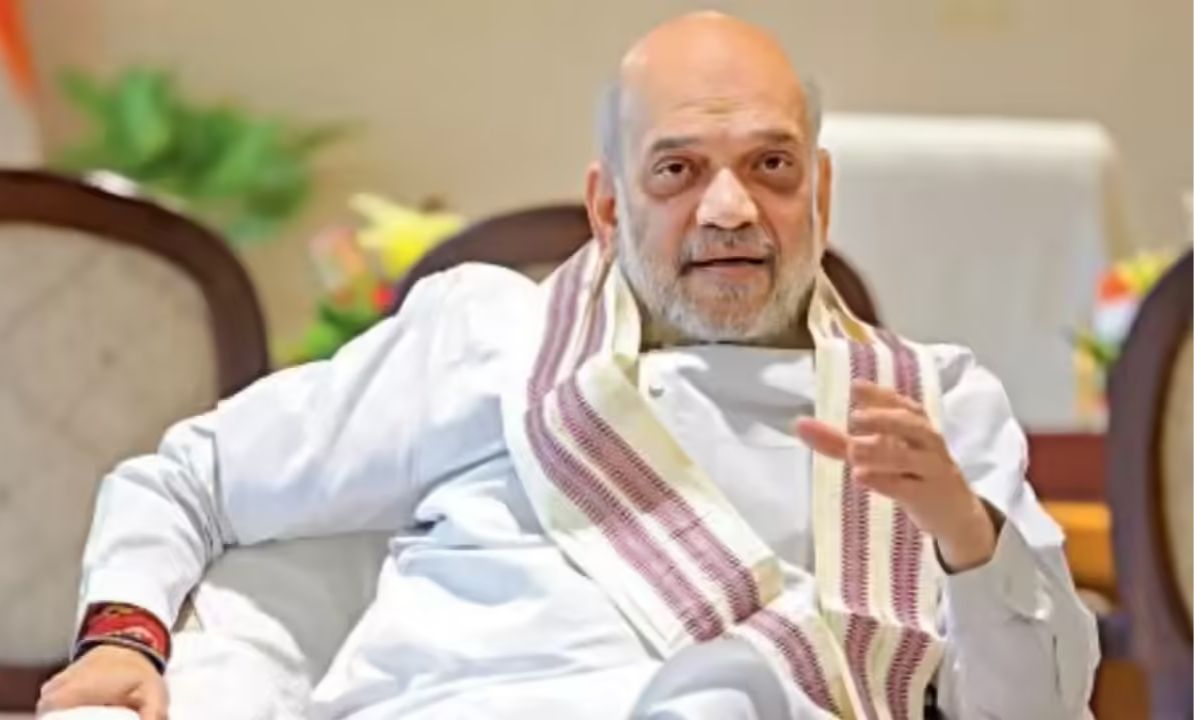
Union Home Minister Amit Shah, during his July 2026 visit to West Bengal, declared the state is experiencing its most significant political change since Independence. He highlighted a new focus on transparency, border security infrastructure, and cooperative sector growth, signaling a definitive shift away from previous years of alleged administrative failure.
Union Home Minister Amit Shah declares that West Bengal is undergoing a political transformation unmatched since Independence, signaling a move toward transparency and development.
KOLKATA — Union Home Minister and Minister of Cooperation Amit Shah has proclaimed that West Bengal is currently navigating a political transformation unprecedented in the state’s history since Independence. Speaking during a three-day official visit to the state this July, Shah emphasized that the region is decisively shedding its past ideological constraints to embrace a new era of governance centered on accountability and national progress.
The Home Minister’s visit, which took place from July 17 to July 19, 2026, underscored a significant realignment in West Bengal’s political landscape under the newly formed government led by Chief Minister Suvendu Adhikari.
Moving Beyond a 'Lost Decade'
Addressing gatherings in Kolkata and Siliguri, Shah articulated a vision for a "Sonar Bangla"—a dream once envisioned by Rabindranath Tagore that he claims had faded under years of ideological vacuum, systemic corruption, and administrative failure. According to the Home Minister, the transition from 2016 to 2026 marks a turning point where the public has rejected the "politics of violence and appeasement" in favor of performance-oriented development.
"The change brought about by the people of Bengal is distinct and historic," Shah stated, contrasting the current administration's focus on transparency with the politicized bureaucracy of the past 15 years.
Strengthening National Security
A central theme of the Home Minister’s visit was the fortification of West Bengal’s international borders. Inspecting the Siliguri Corridor—the strategic "Chicken's Neck"—Shah noted that the region, once plagued by infiltration concerns, is being transformed into a model of secure, "smart" border management.
During his visit to the Jumagachh Border Outpost on July 18, Shah inaugurated development projects worth ₹77.06 crore, including new border fencing and surveillance infrastructure. He reaffirmed that the central and state governments are now working in tandem to turn the international border into an "impenetrable fortress," a sharp departure from what he described as previous years of policy paralysis.
Economic Revitalization
The visit also highlighted the government's push to integrate West Bengal into the national cooperative movement. Shah pointed to the Amul Bengal Dairy Project as a key example of how the new administration is prioritizing the welfare of livestock rearers and farmers. He praised the speed of the current state government’s execution, noting that the computerization of the Registrar of Cooperative Societies was completed in just nine weeks—a task that had languished for years under the previous regime.
Key Facts at a Glance
Historic Transformation: Amit Shah termed the current political shift in West Bengal the most significant change witnessed in the state since Independence.
Infrastructure Boost: The Home Minister inaugurated and laid foundation stones for projects worth over ₹77 crore, focusing on border security.
Border Security: Efforts are underway to implement "Smart Borders" in the Siliguri Corridor to prevent illegal infiltration.
Cooperative Growth: A new impetus has been given to dairy and cooperative sectors, with active coordination between the Union and State governments.
Frequently Asked Questions (FAQ)
What did Amit Shah mean by "historic political change"?
He referred to the transition from a decade characterized by alleged systemic corruption and ideological stagnation to a new government focused on transparency, rule of law, and development.
What is the focus of the new border security measures?
The focus is on "Smart Borders," utilizing indigenous technologies like Intruder Warning Systems and Radio-based Fence Intrusion Detection to ensure border integrity.
How is the current government changing the administrative approach?
According to officials, the government is prioritizing speed and accountability, citing the rapid computerization of cooperative systems and active collaboration with central agencies.
Source: Press Information Bureau, The Hindu, BJP Official Documents