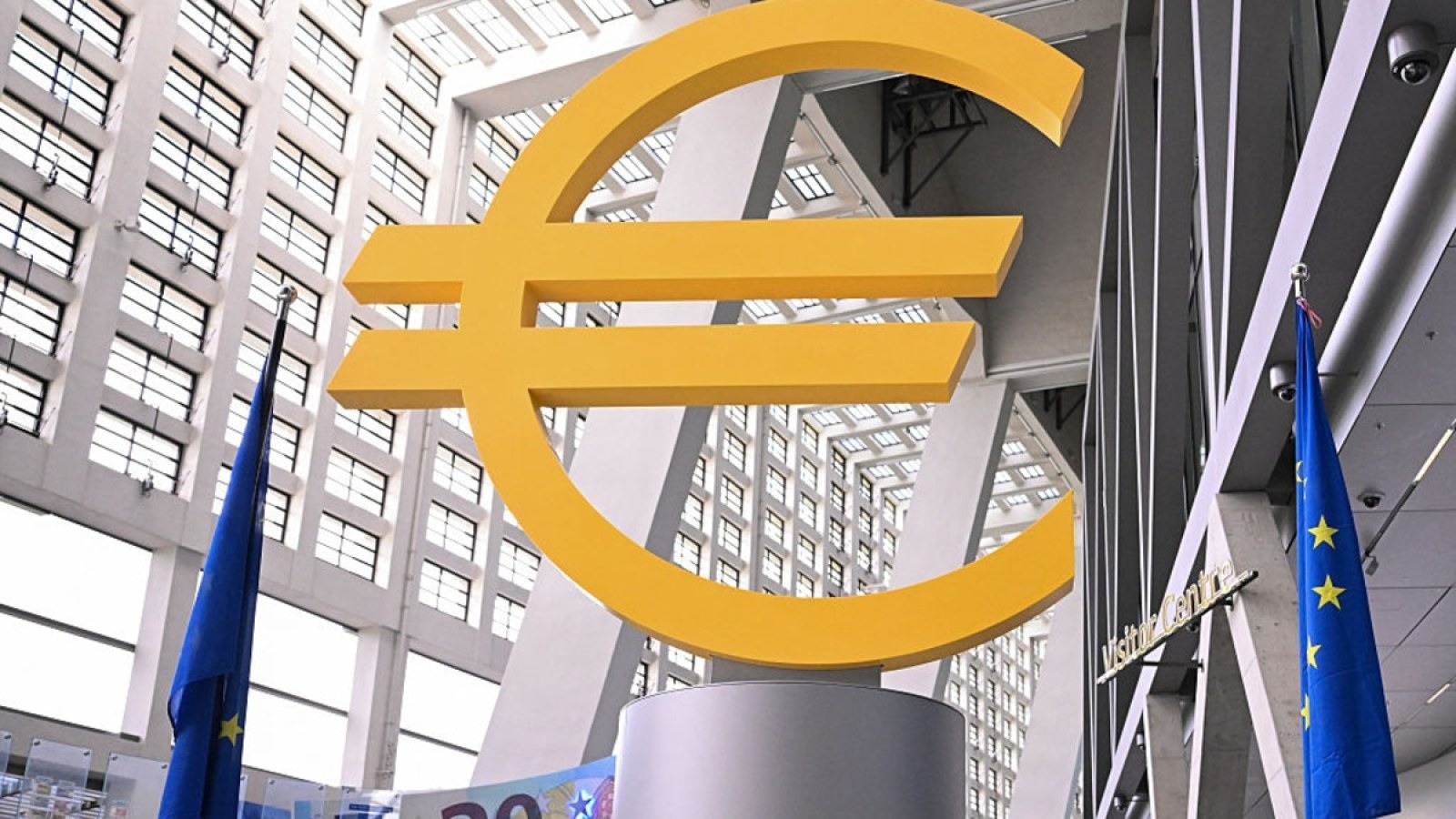
The euro zone economy grew slightly above forecasts, driven by strong enterprise investments in artificial intelligence and resilient consumer spending. Stabilizing labor markets, moderating inflation, and accelerating digital transformation helped the single-currency bloc outperform expectations, providing a welcome boost to regional financial markets and economic policymakers.
Euro zone economic growth edges past consensus estimates, propelled by robust artificial intelligence investments and resilient consumer confidence.
FRANKFURT — The euro zone economy expanded slightly above consensus forecasts, driven by accelerating enterprise technology spending on artificial intelligence infrastructure and steady domestic demand from confident consumers. According to flash economic data and regional activity reports released in July 2026, the single-currency bloc demonstrated unexpected resilience against global trade headwinds, supported by moderating inflation and stabilizing labor markets across member states.
The upbeat economic indicators offer a welcome boost to policymakers at the European Central Bank (ECB), who continue to calibrate monetary policy parameters against evolving international trade dynamics. Analysts note that structural enterprise investments in digital transformation and AI integration have successfully offset soft patches in traditional manufacturing sectors.
Technology Infrastructure and Enterprise AI Outlays
According to preliminary macroeconomic assessments and business surveys compiled by the European Commission (DG ECFIN), corporate capital expenditure directed toward digital infrastructure and artificial intelligence deployment has shifted from experimental phases to core operational integration. Firms across major continental hubs are increasingly dedicating capital to advanced computing assets, automated data systems, and productivity-enhancing software.
This technological pivot has provided a vital cushion for the industrial and service sectors, insulating corporate balance sheets from external demand shocks. Economists point out that productivity gains stemming from automated workflows and artificial intelligence adoption are beginning to reflect positively in quarterly gross domestic product metrics.
Consumer Resilience and Retail Sentiment
Parallel to corporate technology spending, household consumption patterns have sustained an upward trajectory. Flash consumer confidence indicators for the euro area recorded consecutive monthly improvements, rising toward pre-shock levels as headline inflation eased closer to official central bank targets.
While shoppers remain selective—prioritizing experiential services, digital entertainment, and essential retail over large-scale durable goods—overall domestic spending has exceeded earlier conservative projections. Labor market stability, characterized by robust employment levels and steady wage adjustments, has further reinforced household purchasing power across southern and western member states.
Impact on Markets, Businesses, and Investors
For financial markets and equity investors, the better-than-expected growth figures challenge earlier pessimistic narratives surrounding European economic stagnation. Asset managers are re-evaluating cyclical exposures, noting that companies successfully combining digital efficiency with strong consumer-facing brands are outperforming broader indices.
For small and medium-sized enterprises (SMEs), accelerated digitalization and easier access to capital markets are improving operational agility. However, regional divergence persists, with economies heavily reliant on domestic service demand capturing stronger momentum than those constrained by localized fiscal restrictions.
Official Sources Section
Information regarding regional economic performance, business sentiment indices, and macroeconomic trends is derived from official statistical releases and economic surveys published by the European Central Bank (ECB) and the European Commission (DG ECFIN).
"According to officials and economic analysts, the stronger-than-forecast economic activity reflects the dual pillars of robust enterprise technology integration and stabilizing household consumption across the euro area."
Why It Matters
The euro zone's ability to outperform growth forecasts signals fundamental structural adjustments within the continent's economy. By leaning into technology-driven productivity and maintaining resilient domestic consumption, the bloc is better positioned to navigate global macroeconomic volatility and trade friction.
Key Facts at a Glance
Economic Performance: Euro zone quarterly GDP growth edges slightly above consensus forecasts.
Primary Growth Drivers: Enterprise investments in artificial intelligence infrastructure and resilient consumer spending.
Consumer Sentiment: Regional confidence indicators record steady multi-month recoveries supported by easing inflation.
Institutional Oversight: Data monitored and analyzed by the European Central Bank (ECB) and the European Commission.
Frequently Asked Questions
What caused the euro zone economy to beat growth forecasts?
Growth surpassed expectations due to a combination of heavy corporate investments in artificial intelligence and steady, resilient domestic consumption by European households.
How is artificial intelligence impacting the European economy?
AI adoption has shifted from experimental pilots to full enterprise integration, boosting productivity across corporate sectors and driving substantial investments in digital infrastructure.
What is the current state of consumer confidence in the euro area?
Consumer confidence has recorded consecutive monthly improvements, buoyed by moderating inflation, stable labor markets, and steady wage growth.
Where can official economic reports and data for the region be accessed?
Official economic data, consumer surveys, and monetary policy updates are published regularly by the European Central Bank (ECB) and the European Commission (DG ECFIN).
Source: European Central Bank (ECB), European Commission (DG ECFIN)