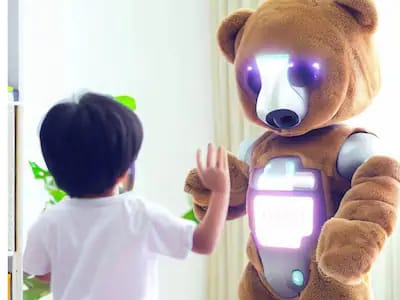
With the arrival of AI-powered plush toys on shelves this August, parents across the globe face an unexpected dilemma: can cuddly robots truly replace screens and, perhaps more controversially, a parent's presence?
Introduction
Artificial intelligence has long permeated homes via phone...
With the arrival of AI-powered plush toys on shelves this August, parents across the globe face an unexpected dilemma: can cuddly robots truly replace screens and, perhaps more controversially, a parent's presence?
Introduction
Artificial intelligence has long permeated homes via phones and tablets, but 2025 marks a new frontier—plush toys equipped with conversational AI. Brands like Curio lead the charge, launching soft companions such as Grem and Grok, designed to hold meaningful conversations with children and replace traditional screen time. The promise? Boost creativity and learning in ways no tablet could ever manage.
Key Highlights
AI plush toys are marketed as screen-free play alternatives, engaging kids through interactive talk rather than visual stimulation. These toys answer questions, foster curiosity, and potentially shape both imagination and emotional development.
As educational tools, AI plush toys offer parental monitoring features, transforming playtime into a data-driven experience. Supporters hope such innovations will curb the rise of isolation and overstimulation linked to screens.
Consumer feedback and early expert reviews are cautiously optimistic, emphasizing the toys' potential for comfort, empathy, and cognitive development—core benefits outside their AI capabilities.
However, the market's explosive growth has outpaced regulatory and ethical scrutiny. Plush toys, already a booming $4.3B industry, now contend with soaring costs and demands for quality assurance—as well as rising questions about data privacy and the emotional risks of AIs stepping into parental roles.
Benefits and Promises: What Do Kids Gain?
Screen-free play: Unlike tablets and phones, plush toys encourage tactile interaction and imaginative play rather than passive consumption.
Emotional support: Stuffed animals, AI-powered or otherwise, remain comforting companions—especially for children facing stress or separation from family. Real-world examples include plush toys given to sick children to help them cope.
Skill development: Companies tout that AI toys build empathy, social skills, and curiosity by engaging kids in two-way conversation, guiding their learning in real time.
Customization and learning: With tech integration, plush toys can adapt conversations to individual children, deepening engagement and personalized learning experiences.
The Cost Conundrum: What Are Parents Sacrificing?
Replacement of parental presence: Experts warn that chatting plush toys could inadvertently substitute for genuine human interaction, undermining the parent-child bond. Reviewers note that the experience with toys like Grem sometimes felt more like outsourcing connection than enhancing it.
Data privacy and security: Embedded microphones and sensors raise concerns over potential misuse of children's data. The debate intensifies as manufacturers integrate parental monitoring features, balancing safety and privacy.
Economic pressures: The plush market sees steady price hikes, with rare collectible plush dolls selling for upwards of $1,000, driven by celebrity endorsements. Meanwhile, traditional retail outlets wrestle with rising production costs and consumer demands for eco-friendly and safe materials.
Quality assurance: As technology integrates into plush toys, manufacturers face heightened scrutiny around durability, choking hazards, and toxicity. Counterfeit products pose serious risks, as seen in recent warnings about fake plushes flooding markets with hidden hazards.
Parental Perspectives and Market Response
Some parents have embraced AI toys as a way to limit screen exposure, reporting that children enjoy creative play whether the AI feature is activated or not. Notably, after removing the AI voice from Grem, children simply appropriated the toy into traditional play—then drifted back to screens when interest waned.
Retailers and startups respond by emphasizing safety, skill-building, and sustainability in their product lines, trying to align with modern parenting philosophies while keeping prices competitive.
The plush toy sector is projected to grow at 4.5% annually, with tech-savvy, eco-conscious, and personalized products shaping the industry's future.
Conclusion
The new generation of AI plush toys offers a tantalizing alternative to screens for children craving imaginative, hands-on play. Yet, the debate over what is gained—or lost—is just beginning. As regulators, parents, and technologists wrestle with the implications of smart toys, the true cost of screen-free play will be paid not just at the checkout counter, but in the delicate moments of childhood that shape a lifetime.
Source:Techlusive, Zamin.uz Technology News, SSBCrack News