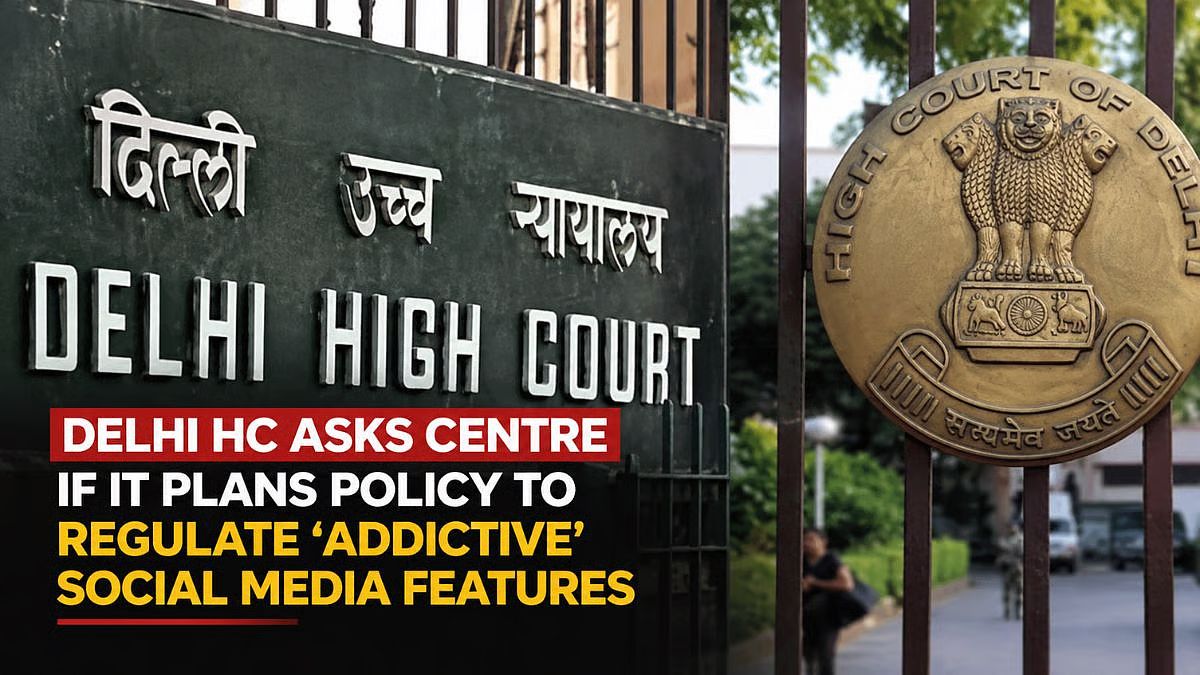
The Delhi High Court directed central authorities to clarify whether formal policy measures are planned to regulate addictive social media features. Public court filings indicate that judges pressed government counsel regarding digital platform designs that encourage compulsive usage. Legal experts evaluate compliance frameworks, consumer protection statutes, and platform accountability mandates.
The Delhi High Court directed central authorities to clarify legislative intentions regarding addictive social media features and compulsive platform designs.
Judicial scrutiny over digital platform operations intensified in New Delhi this September 2026. According to official court proceedings and public litigation filings, the Delhi High Court asked central government representatives whether formal regulatory frameworks are under consideration to control addictive social media mechanics. The bench pressed state counsel to outline administrative measures aimed at curbing compulsive online engagement models deployed by major technology companies across domestic markets.
Evaluating Judicial Directives, Platform Regulation, and Compliance Frameworks
Analyzing the legal proceedings reveals how Indian courts approach digital addiction and consumer protection standards. According to official court records and regulatory filings updated in September 2026, key factors include:
Judicial Inquiries: The Delhi High Court bench demanded explicit clarifications from central ministries regarding statutory gaps in digital platform governance.
Compulsive Design Scrutiny: Legal petitions target infinite scroll mechanisms, algorithmic reward loops, and notification alerts designed to maximize user retention.
Consumer Protection Statutes: Regulatory boards evaluate whether existing consumer rights frameworks cover psychological manipulation embedded in modern software architectures.
Inter-Ministerial Consultations: Government counsel reported that various departments are reviewing cross-jurisdictional precedents to establish balanced compliance guidelines for tech operators.
Why It Matters
The practical implications of the Delhi High Court inquiry impact technology regulation, corporate compliance costs, and public mental health standards. For social media operators, potential policy mandates threaten standard user-engagement metrics and require algorithmic adjustments. For legal scholars and citizens, judicial intervention offers a pathway toward stronger digital safety rules and corporate accountability.
Key Facts at a Glance
Core Event: Delhi High Court asks central authorities about policies targeting addictive social media.
Primary Target: Algorithmic design loops, infinite scrolling, and compulsive user engagement tools.
Legal Context: Public litigation petitions pressing for statutory oversight of technology platforms.
Governing Disclosures: Monitored via official court filings from the Delhi High Court.
FAQ Section
What did the Delhi High Court ask the central government regarding social media?
The court inquired whether the administration plans to formulate specific policies to regulate addictive features embedded in digital platforms.
Which technological features are considered addictive by petitioners?
Lawsuits focus on infinite scroll mechanisms, variable reward loops, automated autoplay features, and aggressive notification alerts.
How do technology companies respond to regulatory pressure over user engagement?
Platforms typically argue that engagement features reflect standard consumer preferences, while pledging voluntary safety and parental control tools.
Where can citizens access official court orders from the Delhi High Court?
Transcripts and daily case status updates are published directly on the official Delhi High Court Portal.
Source: Delhi High Court, Ministry of Electronics and Information Technology (MeitY), Supreme Court of India, Reuters Legal Desk