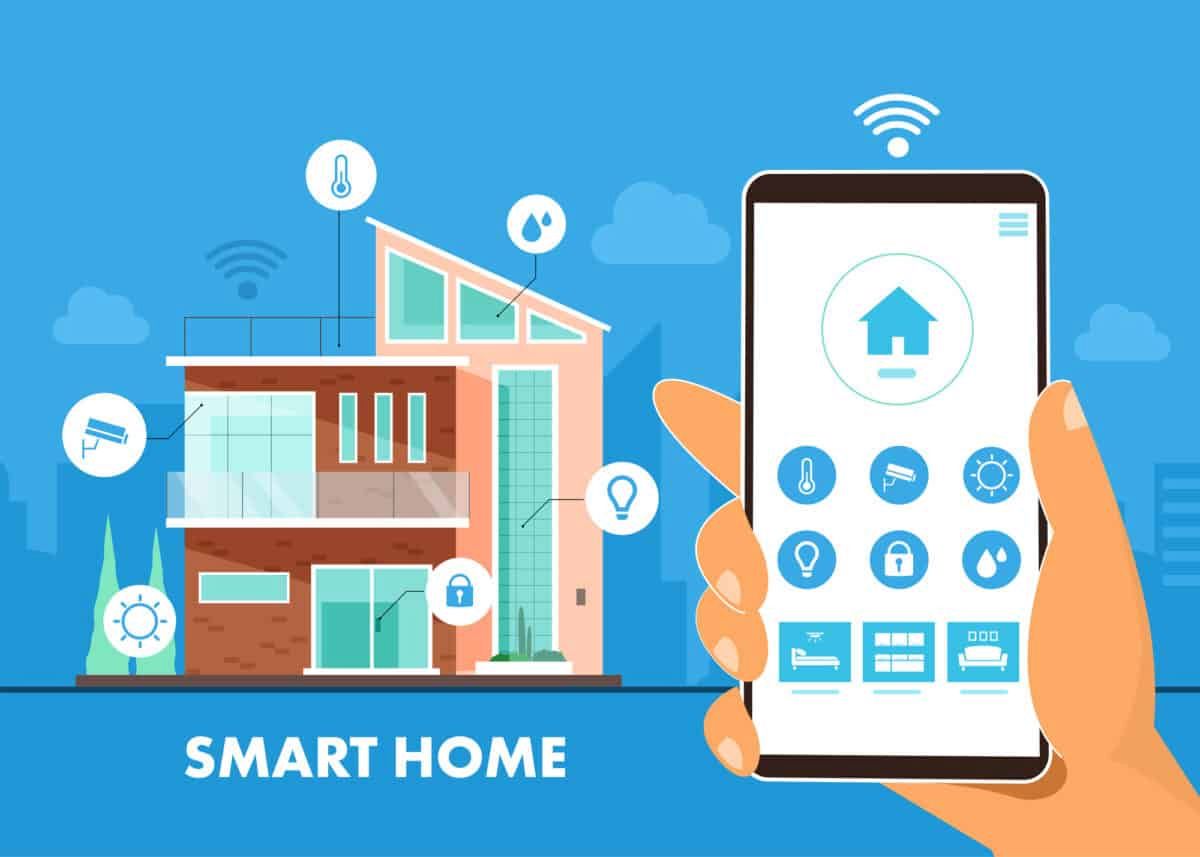
Connected smart home devices routinely capture detailed behavioral data regarding domestic habits, occupancy patterns, and daily schedules. Regulatory privacy filings and consumer protection audits indicate that automated appliances transmit sensitive usage metrics to third-party servers. Experts recommend auditing device permissions, restricting microphone access, and disabling unnecessary telemetry collection to protect home privacy.
Regulatory filings and consumer protection reports disclose that connected smart home devices continuously log and transmit intimate household activity patterns.
Domestic automation networks installed across modern residential properties collect vast streams of personal usage metrics daily. According to privacy compliance audits and consumer protection filings released in September 2026, smart thermostats, voice assistants, and connected appliances map exact household schedules. These digital logs track when residents wake up, leave properties empty, or consume power, creating detailed behavioral profiles stored on remote cloud servers.
Evaluating Telemetry Collection, Device Permissions, and Privacy Risks
Analyzing the data flows behind connected hardware exposes how smart devices extract and monetize domestic activity telemetry. According to official corporate privacy disclosures and regulatory reviews updated in September 2026, key factors include:
Continuous Telemetry Tracking: Smart home sensors record ambient sound levels, movement patterns, and power usage parameters in real time without active user engagement.
Third-Party Data Sharing: Privacy audits reveal that telemetry logs are frequently shared with analytics partners, advertising networks, or platform developers under broad user agreements.
Hardware Permission Audits: Cybersecurity agencies advise consumers to manually review microphone permissions, disable continuous listening features, and restrict unnecessary cloud data synchronization.
Regulatory Oversight Frameworks: Consumer protection boards increasingly enforce strict data minimization rules, requiring manufacturers to disclose local storage options versus cloud retention policies.
Why It Matters
The practical implications of smart device data collection impact residential privacy, cyber security, and consumer rights. For households, unmonitored connected hardware creates persistent vulnerabilities to data breaches and unwanted behavioral profiling. For technology manufacturers, complying with emerging privacy regulations requires transparent data collection limits and robust local encryption standards.
Key Facts at a Glance
Core Issue: Smart devices continuously log and transmit intimate daily routine data.
Primary Vulnerability: Cloud-based telemetry sharing with third-party analytics and advertising networks.
Recommended Action: Auditing device permissions, disabling voice assistants, and restricting telemetry.
Governing Disclosures: Monitored via regulatory compliance audits from agencies like the FTC.
FAQ Section
What kind of routine data do smart home devices actually collect?
Connected hardware tracks occupancy schedules, power consumption spikes, voice commands, and movement patterns throughout the home.
Why do smart appliances transmit usage telemetry to remote servers?
Manufacturers use telemetry data for software diagnostics, performance optimization, and third-party commercial marketing analytics.
How can homeowners secure their smart devices against privacy leaks?
Users can isolate IoT gadgets on guest Wi-Fi networks, disable continuous microphones, and review corporate privacy policies to opt out of data sharing.
Where can consumers access official privacy advisories on IoT hardware?
Compliance updates and security frameworks are published regularly by regulatory agencies such as the Federal Trade Commission (FTC) and the EDPB.
Source: Federal Trade Commission (FTC), European Data Protection Board (EDPB), CERT-In, Reuters Technology Desk