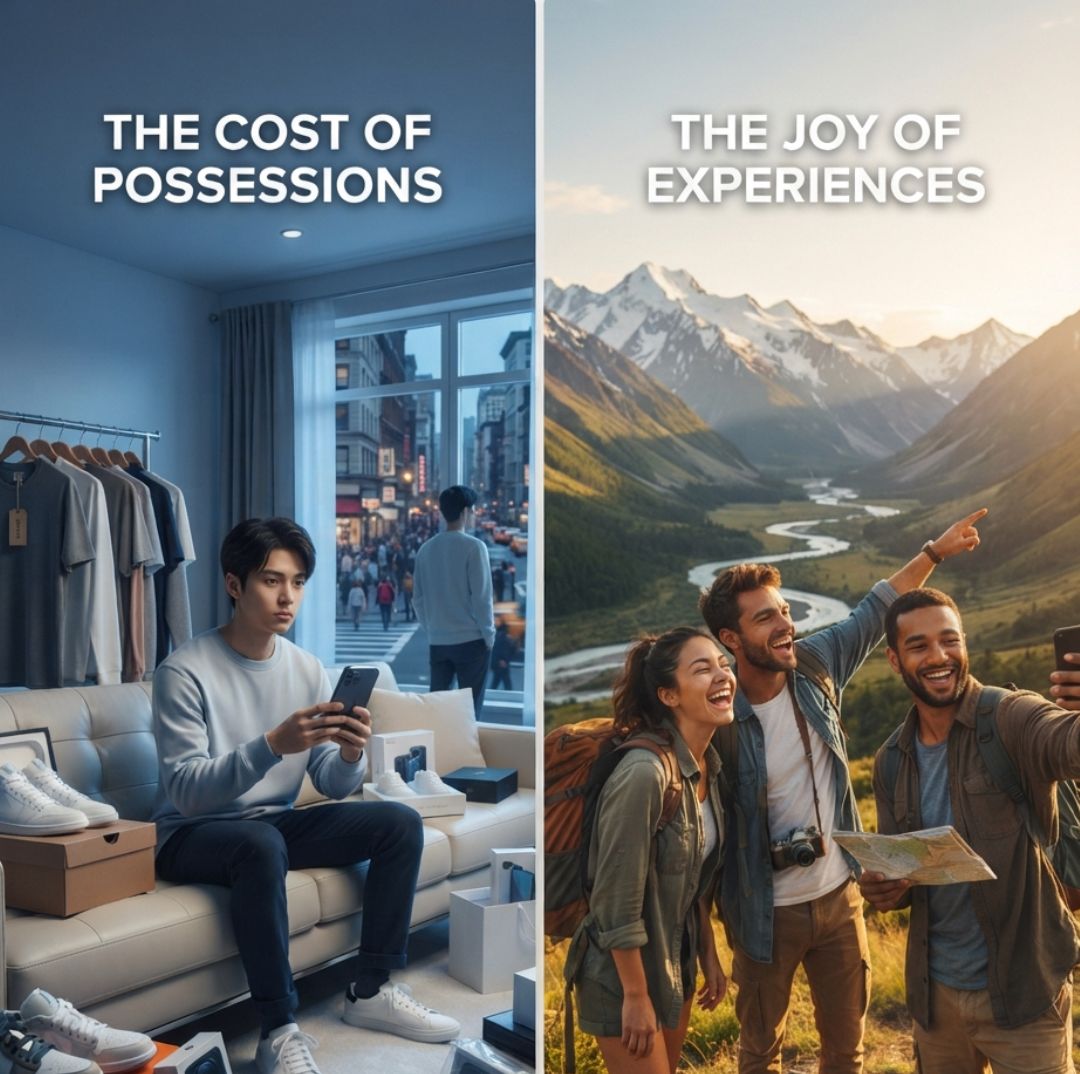
Consumer research and behavioral studies indicate a growing global shift favoring experiences over physical possessions. Behavioral psychologists note that experiential purchases generate long-term psychological satisfaction, whereas material goods frequently suffer from rapid hedonic adaptation. This evolving spending preference reshapes retail markets, leisure industries, and personal financial planning strategies worldwide.
Behavioral research and consumer expenditure studies reveal that modern buyers increasingly prioritize experiential purchases over material goods.
Consumer spending habits underwent a noticeable psychological pivot in September 2026, as market surveys highlighted a sustained preference for experiential purchases. According to behavioral science studies and consumer research disclosures published this month, younger demographics consistently allocate larger shares of discretionary income toward travel, events, and skill acquisition rather than physical retail items. This long-term economic shift stems from changing consumer values and empirical data regarding long-term personal satisfaction.
Evaluating Hedonic Adaptation, Consumer Psychology, and Spending Shifts
Analyzing the mechanisms driving experiential economics uncovers why material goods fail to provide lasting happiness compared to activities. According to official behavioral research reports and consumer data disclosures updated in September 2026, key factors include:
Hedonic Adaptation Realities: Physical possessions lose their initial novelty rapidly as consumers adapt to their presence, whereas memories of experiences tend to appreciate in psychological value over time.
Social Connection Metrics: Experiential spending frequently involves shared social interactions, fostering stronger interpersonal bonds than isolated material acquisitions.
Discretionary Capital Allocation: Retail sectors face declining demand for low-utility goods as household budgets shift toward tourism, adventure sports, and educational workshops.
Economic Resilience Indicators: Market analysts observe that service-oriented sectors demonstrate greater pricing power during inflationary cycles compared to traditional luxury retail goods.
Why It Matters
The practical implications of favoring experiences over possessions impact retail manufacturing, service-sector growth, and personal wealth management. For businesses, shifting consumer demand requires pivoting away from traditional inventory models toward experiential marketing and service delivery. For individuals, prioritizing memories over material clutter supports long-term emotional well-being and mindful financial budgeting.
Key Facts at a Glance
Core Trend: Growing consumer preference for experiences over material possessions.
Primary Driver: Avoidance of rapid hedonic adaptation associated with physical goods.
Economic Impact: Shifts discretionary capital from traditional retail sectors toward travel and services.
Governing Research: Monitored via behavioral studies published by the American Psychological Association (APA).
FAQ Section
Why are consumers choosing experiences over physical possessions?
Studies show that experiences yield longer-lasting psychological happiness and strengthen social connections without triggering rapid hedonic adaptation.
What is hedonic adaptation in consumer spending?
It is the psychological process where individuals quickly grow accustomed to new material possessions, causing initial excitement and satisfaction to fade.
How does this spending shift impact traditional retail markets?
Retailers face softer demand for physical goods as discretionary household budgets shift toward travel, entertainment, and personal development services.
Where can researchers find official studies on experiential spending?
Data and research papers are published regularly by organizations like the American Psychological Association (APA) and economic agencies.
Source: American Psychological Association (APA), Federal Reserve, Bureau of Labor Statistics (BLS), Reuters Economic Desk