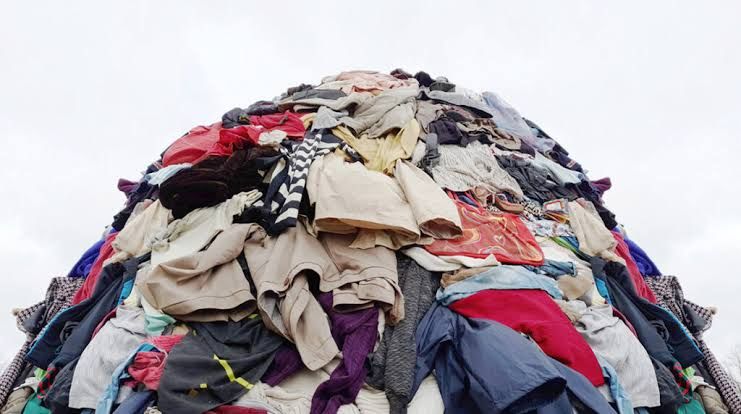
Global retail disclosures and environmental waste audits reveal that returned and discarded fast fashion items frequently bypass resale channels, ending up in landfills or overseas sorting yards. Logistics costs often exceed merchandise value, forcing retailers to liquidate or incinerate excess inventory, compounding carbon emissions and accelerating global textile waste crises.
Retail filings and environmental waste reports reveal that returned and discarded clothing items frequently bypass secondary markets, fueling global landfill growth.
Consumer ease in purchasing and returning garments has triggered an invisible logistical crisis within the apparel industry. According to retail supply chain disclosures and waste management audits published in September 2026, massive volumes of returned or unsold fast fashion merchandise never return to store shelves. High reverse-logistics processing costs frequently make garment inspection economically unviable, pushing distributors toward wholesale liquidation, incineration, or overseas disposal.
Evaluating Reverse Logistics, Liquidation Channels, and Waste Metrics
Analyzing the operational mechanisms behind retail returns uncovers why discarded garments rarely find new domestic consumers. According to official corporate sustainability reports and regulatory waste assessments updated in September 2026, key factors include:
Reverse Logistics Economics: Shipping, unboxing, inspecting, and restocking low-cost apparel often costs retailers more than the original manufacturing price of the garment.
Wholesale Liquidation Pools: Excess stock and returned items are routinely bundled and sold to secondary brokers, frequently ending up in open-air textile markets in developing nations.
Incineration and Landfill Realities: Unsalvageable or synthetic-blend garments that fail secondary resale criteria are directed straight to municipal landfills or waste-to-energy incinerators.
Regulatory Scrutiny: Environmental oversight boards increasingly demand strict producer responsibility disclosures regarding unsold inventory disposal and textile recycling rates.
Why It Matters
The practical implications of fast fashion returns affect corporate profit margins, municipal waste management budgets, and global carbon footprints. For retailers and investors, inefficient reverse logistics drain operating capital and invite strict environmental penalties. For consumers, understanding the physical journey of returned goods highlights the hidden resource toll of disposable apparel trends.
Key Facts at a Glance
Core Issue: Returned and discarded fast fashion items frequently bypass restocking due to high labor costs.
Primary Destination: Surplus inventory is often liquidated, sent to overseas brokers, or directed to landfills.
Environmental Impact: Synthetic textile accumulation accelerates greenhouse gas emissions and municipal waste burdens.
Governing Disclosures: Monitored via corporate sustainability filings and environmental agency audits.
FAQ Section
What happens to clothes when you return them to a fast fashion retailer?
Many returned items are inspected, but a significant percentage is liquidated, bundled for secondary markets, or discarded due to high processing costs.
Why do retailers discard returned fast fashion items instead of restocking them?
The labor expense required to inspect, clean, repackage, and relabel inexpensive garments often exceeds the actual retail value of the item.
Where do unsold and discarded garments ultimately end up?
Excess apparel is frequently shipped to international second-hand markets, directed into municipal landfills, or processed in waste incinerators.
Where can consumers find official reports on textile waste and retail disclosures?
Sustainability metrics and waste management analyses are published regularly by organizations like the EEA and UNEP.
Source: Federal Trade Commission (FTC), European Environment Agency (EEA), United Nations Environment Programme (UNEP), Reuters Business Desk