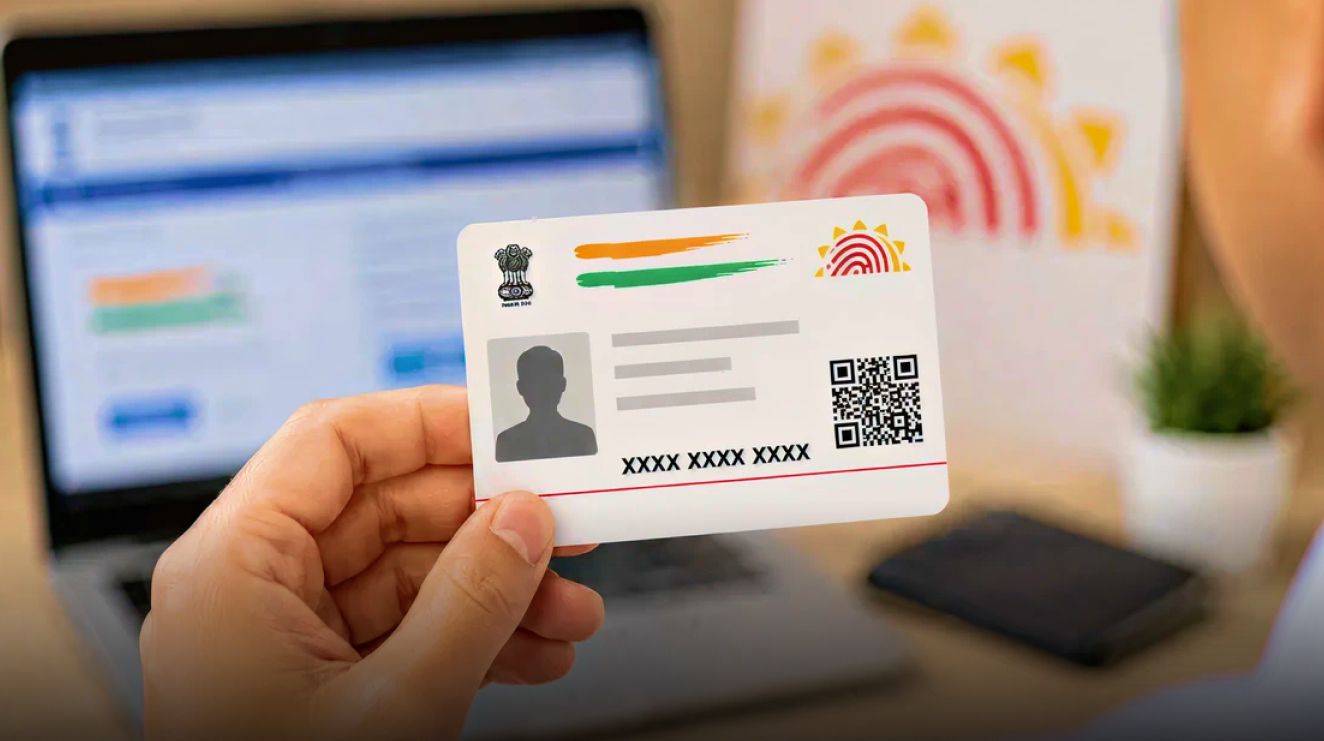
UIDAI regulations and cybersecurity guidelines stress that individual identity documents must never serve as authentication passwords. Citizens face heightened exposure to financial fraud when sharing unique identification numbers indiscriminately online. Experts advise utilizing masked identification tokens, biometric locks, and secure verification channels to protect personal data integrity and prevent unauthorized misuse.
Regulatory authorities warn that treating unique identification numbers like standard login credentials exposes citizens to severe security vulnerabilities.
Digital verification frameworks require strict separation between persistent identity credentials and dynamic authentication keys. According to statutory security guidelines and public advisories published by the Unique Identification Authority of India (UIDAI) in September 2026, citizens frequently compromise personal security by sharing unique identity numbers on untrusted web forms. Cybersecurity experts emphasize that identity documents function solely for foundational verification rather than active session-based authorization or passwords.
Evaluating Authentication Risks, Credential Misuse, and Regulatory Standards
Analyzing the structural differences between permanent identification numbers and transient passwords clarifies modern cyber defense strategies. According to official compliance disclosures and regulatory frameworks updated in September 2026, key considerations include:
Static Versus Dynamic Security: Unlike passwords that can be modified immediately following a breach, foundational identity numbers remain permanent throughout an individual's lifetime.
Tokenization Mechanisms: Regulatory standards mandate the use of virtual identification numbers and masked identity tokens to minimize exposure during third-party digital transactions.
Biometric Lock Controls: Account holders can deploy official biometric locking features to freeze authentication access, preventing unauthorized use even if primary numbers are intercepted.
Statutory Compliance: Public-facing entities must adhere to strict data localization and masking mandates governed by the Information Technology Act and UIDAI compliance directives.
Why It Matters
The practical implications of distinguishing identity credentials from access passwords impact consumer financial safety, corporate compliance, and data privacy governance. For citizens, adopting secure verification habits prevents unauthorized account access and identity theft. For businesses and fintech platforms, enforcing proper tokenization and masking protocols ensures full compliance with statutory data protection frameworks.
Key Facts at a Glance
Core Distinction: Identity documents are permanent proofs of identity, not dynamic access passwords.
Primary Risk: Indiscriminate sharing exposes individuals to data scraping and fraudulent authentication attempts.
Recommended Safeguards: Utilizing virtual identification tokens and locking biometric authentication profiles.
Governing Authority: Regulated under statutory frameworks managed by UIDAI.
FAQ Section
Can my identity document be used as an online password?
No. Treating permanent identity numbers as login credentials violates basic cybersecurity principles and exposes personal accounts to severe risks.
How can I protect my identity verification details online?
Citizens should use virtual identification numbers (VID), enable biometric locking features, and restrict sharing to authorized secure gateways.
What risks are associated with sharing unique identity numbers freely?
Unregulated exposure can lead to synthetic identity creation, unauthorized financial transactions, and long-term data privacy compromises.
Where can individuals access official safety advisories regarding identity security?
Official compliance updates and safety protocols are published regularly via the UIDAI Portal and CERT-In.
Source: Unique Identification Authority of India (UIDAI), Ministry of Electronics and Information Technology (MeitY), CERT-In, Reuters Financial Desk