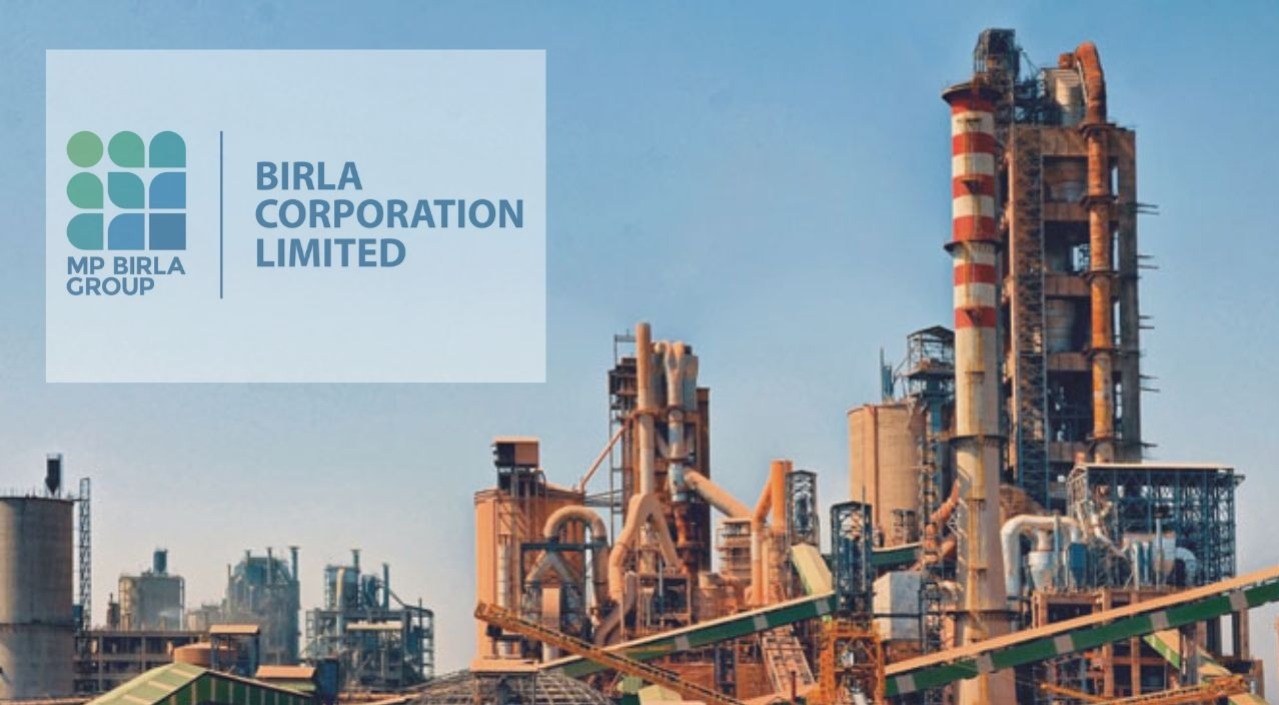
Birla Corporation Limited has commenced commercial coal mining operations at its Bikram Coal Mine in Madhya Pradesh. Featuring extractable reserves of 9.44 million tonnes and a peak capacity of 0.36 MTPA, the facility strengthens the group's internal fuel security and insulates its regional cement plants from open-market energy cost volatility.
MUMBAI, INDIA — Birla Corporation Limited, the flagship enterprise of the M.P. Birla Group, has officially commenced commercial coal production at its captive Bikram Coal Mine, located in Madhya Pradesh. The company disclosed the operational update to domestic bourses, marking the full commissioning of its third operational captive coal mine. This structural development ensures a predictable fuel supply line for the enterprise's heavy manufacturing infrastructure.
The startup comes amid a targeted push by domestic capital goods and material manufacturers to secure self-sufficiency pipelines for energy-intensive processing units. Given that power and fuel expenses traditionally account for 25% to 30% of total output costs in cement fabrication, the operationalization of the Bikram site provides an immediate financial buffer against volatile external fuel pricing.
Technical Capacity Structured to Enhance Internal Margin Controls
According to statutory compliance updates shared on the Bombay Stock Exchange (BSE) under Listing Obligations and Disclosure Requirements (LODR) protocols, the Bikram Coal Mine possesses total extractable reserves estimated at 9.44 million tonnes. Strategically located across the Burhar and Shahdol regions of Madhya Pradesh, the asset is engineered to operate at a peak rated capacity of 0.36 million tonnes per annum (MTPA).
The site utilizes a dual extraction framework combining standard opencast blocks with specialized underground mining setups to safely maximize yield over the mine's project lifecycle. Commercial coal extracted from the facility will be routed directly via regional rail heads to feed the company's integrated cement manufacturing assets and associated captive power installations situated throughout central India.
Strengthening Capital Buffers Against Open Market Price Volatility
Historically, Birla Corporation met its extensive fuel requirements through a combination of state-allocated linkage contracts and spot purchases on public electronic auctions. The activation of the Bikram block increases the company's aggregate captive coal mix, pushing its internal fuel fulfillment closer to its long-term 50% self-sufficiency target.
Industrial stock market analysts report that this internal resource integration protects corporate margins from unexpected global thermal coal cost spikes. It also reduces logistical risks linked to spot inventory shortages from external suppliers. This reliable fuel stream helps the company stabilize its operational cost structures as it expands its macro cement production footprint toward a targeted 30 MTPA capacity.
Official Sources Section
The underlying legal clearances, resource estimates, and operational timelines have been formalised across national corporate registries and environmental desks.
Quote Section
"According to officials, the formal commissioning of the Bikram block provides permanent fuel security for our core central manufacturing zone. Organizers stated that all environmental monitoring systems and topsoil preservation setups have been fully deployed to align with national green mining mandates."
Why It Matters
For enterprise investors and fixed-income analysts, local resource integration lowers production costs per tonne, directly supporting margin expansion even during macro market downcycles. For industrial supply chains, a reliable captive fuel matrix ensures consistent manufacturing outputs. This steady supply prevents product shortages in real estate and public infrastructure segments across central India.
Key Facts at a Glance
Total Extractable Material: Holding approximately 9.44 million tonnes of extractable coal reserves.
Annual Operating Speed: Engineered for a peak rated capacity of 0.36 million tonnes per annum (MTPA).
Geographic Base: Situated across Burhar, Shahdol within the state of Madhya Pradesh.
Corporate Objective: Boosts the firm's total internal captive coal contribution mix toward a 50% target.
FAQ Section
Which specific manufacturing facilities will receive coal from the Bikram mine?
The thermal coal extracted from the facility will be shipped via the Burhar railway siding to fuel integrated cement production units and captive power systems operated by the firm across central India.
What methods are used to extract coal at this location?
The mine combines conventional opencast shovel-dumper methods for shallow coal seams with underground bord-and-pillar conveyor extraction methods for deeper reserves.
How does this impact the company's overall operational costs?
By decreasing its reliance on high-cost open market purchases and imported thermal coal, the captive mine is expected to lower total energy costs by an estimated 10% to 12% per tonne of cement produced.
Source: