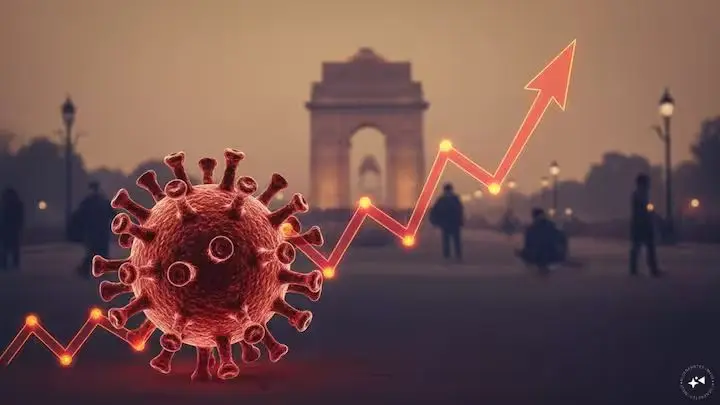
According to Jio BlackRock Asset Management's August 2026 report, foreign institutional investor positioning in Indian equities has reached historical lows following heavy outflows. However, resilient domestic mutual fund buying and moderated valuations have created a potential contrarian setup, suggesting the worst of foreign selling may be ending.
Backed by recent macroeconomic insights, market analysts indicate that extreme foreign investor outflows combined with strong domestic buffers could signal an upcoming sentiment turnaround for Indian equities.
Tracking Foreign Institutional Investor Flows and Market Extremes
The landscape of Indian capital markets is experiencing a critical juncture in investor positioning. According to official findings released in Jio BlackRock Asset Management's The Macro Canvas – August 2026 report, foreign investor sentiment experienced a sharp contraction between March and June 2026, leading to sustained foreign institutional investor (FII) outflows.
The rolling one-year India-dedicated flow cycle has dipped close to historical lows—levels previously witnessed during the COVID-19 market collapse in December 2020. Market analysts note that these extreme readings indicate current sentiment is heavily priced in with pessimism that stretches well beyond what fundamental economic indicators justify.
Cushioning Volatility Through Domestic Mutual Fund Support
While foreign allocators trimmed exposure, domestic capital acted as a robust shock absorber for the broader economy. Consistent and powerful inflows from domestic mutual funds (DMFs) successfully mitigated market volatility, counterbalancing foreign selling pressure during the downturn.
Furthermore, data from June and July 2026 revealed a measurable slowdown in foreign withdrawals followed by a return of modest FII inflows, hinting that the worst of the foreign unwind phase may have concluded. Equity valuations have simultaneously cooled; India's 12-month forward price-to-earnings (P/E) ratio has reverted to its 10-year average of approximately 20x, eliminating the steep valuation premiums that previously deterred global allocators.
Why It Matters
The practical implications of this market dynamic affect retail investors, institutional participants, and long-term wealth planners alike. With foreign positioning at historical extremes and domestic liquidity providing a steady cushion, patient investors evaluating entry points find that valuations are significantly more balanced compared to the preceding 12 to 18 months, paving the way for potential recovery phases.
Key Facts at a Glance
FII Flow Cycle: Rolling one-year India-dedicated flows reached lows comparable to the December 2020 pandemic trough.
Valuation Normalization: India's 12-month forward P/E ratio returned to its 10-year average of ~20x.
Domestic Cushion: Sustained domestic mutual fund inflows helped absorb intense foreign selling pressure.
Sentiment Shift: Early recovery in foreign inflows during July 2026 points toward a potential sentiment turnaround.
FAQ Section
What does a contrarian setup mean for Indian equities right now?
A contrarian setup occurs when extreme negative sentiment and low foreign positioning price in excessive pessimism, often preceding a market recovery as fundamentals stabilize.
How did domestic investors influence market stability during recent foreign outflows?
Consistent and strong inflows from domestic mutual funds acted as a vital counterbalance, absorbing selling pressure and dampening equity market volatility.
Where do India's forward price-to-earnings ratios stand currently?
India's 12-month forward P/E ratio has reverted to its 10-year historical average of around 20x, removing the premium barrier for global allocators.
Where can investors track official market reports and macroeconomic updates?
Detailed reports and macroeconomic frameworks are published regularly on the JioBlackRock Portal and covered extensively by financial desks like The Economic Times.
Source: JioBlackRock Portal, The Economic Times, Asian News International (ANI)