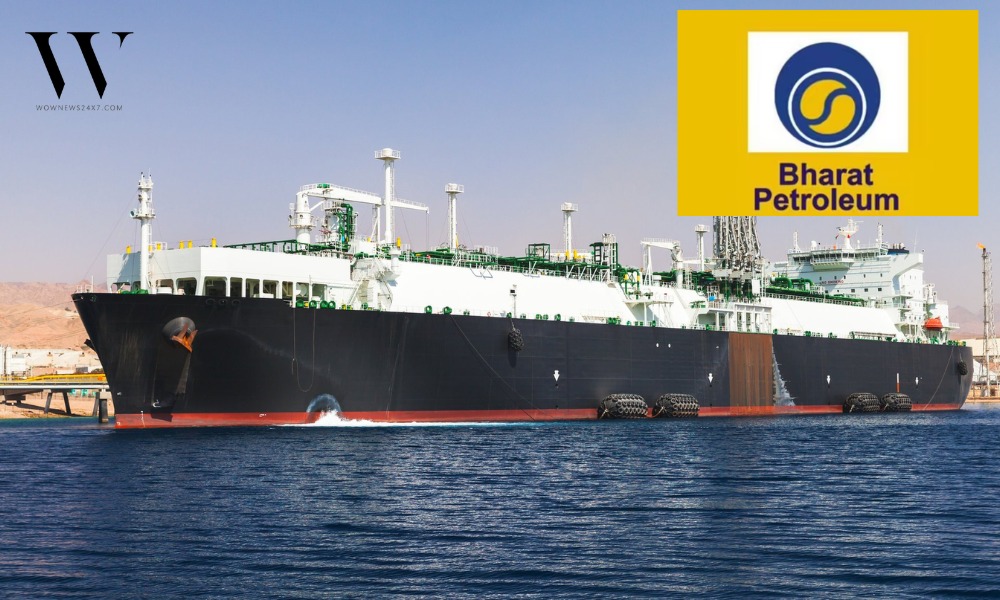
A senior Bharat Petroleum Corporation Limited (BPCL) executive warned on July 23, 2026, that ongoing security escalations and militia threats in the Red Sea region may prevent the state-backed refiner from securing specific crude oil cargoes. The development heightens supply chain anxieties as key maritime chokepoints face severe disruptions.
State-run refiner Bharat Petroleum Corporation Limited (BPCL) faces mounting operational headwinds as geopolitical tensions across the Middle East intensify. A senior BPCL executive cautioned on Thursday, July 23, 2026, that ongoing disruptions stemming from the Red Sea crisis and recent threats to maritime navigation could hinder the company's ability to secure certain crude oil shipments. With key supply routes intersecting volatile corridors near the Bab el-Mandeb Strait, Indian refiners are confronting sudden logistical bottlenecks that threaten both crude procurement schedules and import cost frameworks.
Maritime Chokepoints and Cargo Vulnerabilities
The Red Sea corridor has emerged as a primary zone of concern following recent militant warnings and naval blockades impacting vessels traversing Saudi Arabian and regional export terminals. For BPCL, which relies heavily on imported crude to feed its domestic refineries, the friction along alternative shipping routes introduces complex logistical challenges. Tankers originally slated to transport essential grades to Asian markets have experienced sudden course reversals or delays as shipping companies reassess risk profiles. Executives note that while term contracts offer a degree of security, spot cargo acquisitions originating from affected zones remain highly vulnerable to scheduling defaults and steep freight adjustments.
Broader Impact on Refiners and Energy Markets
The potential disruption of crude oil intake directly impacts refinery optimization and domestic fuel product pricing dynamics. As alternative routes around the Cape of Good Hope add weeks to voyage times, operating margins face sustained pressure. The warning from the BPCL executive underscores the wider vulnerability of India's energy ecosystem, which imports the vast majority of its crude requirements. Industry participants are closely monitoring spot market availability, insurance premiums, and alternative supply origins to cushion against imminent deficits.
Official Announcements and Corporate Disclosures
According to official updates from Bharat Petroleum Corporation Limited (BPCL), supply chain risk mitigation protocols have been activated across its International Trade and Risk Management departments. Corporate filings and trade communications emphasize that contingency measures are under active review to manage potential shortfalls.
"According to officials, continuous monitoring of maritime transit routes is underway, and alternative sourcing strategies are being evaluated to minimize any prospective impact on refinery crude throughput."
Why It Matters
For consumers, industrial enterprises, and energy investors, supply constraints at major shipping arteries translate into heightened volatility for domestic fuel and petroleum product prices. As state refiners like BPCL navigate the complexities of the Red Sea crisis, any sustained inability to clear essential oil cargoes could tighten domestic inventories and elevate the nation's overall import expenditure.
Key Facts at a Glance
Operational Risk: BPCL executive warns that Red Sea security threats may block specific oil cargo arrivals.
Logistical Bottleneck: Heightened risks near the Bab el-Mandeb Strait and Red Sea ports disrupt alternative crude shipping routes.
Corporate Response: Management has initiated risk-mitigation protocols and is assessing alternative non-restricted supply corridors.
Broader Implications: Potential delays risk tightening crude availability and amplifying freight costs for Indian refiners.
FAQ Section
Why did BPCL issue a warning regarding oil cargoes?
The warning was issued due to mounting security threats and navigation disruptions in the Red Sea region, which threaten to block scheduled crude oil shipments.
How does the Red Sea crisis affect Indian refineries?
Disruptions along maritime trade lanes force shipping rerouting, lengthen transit times, increase freight costs, and risk delaying cargo deliveries for refiners like BPCL.
Where does BPCL source its crude oil imports?
BPCL procures crude through a mix of term contracts with National Oil Companies and spot market purchases managed via its International Trade and Risk Management department.
Where can stakeholders monitor official corporate updates from BPCL?
Official statements, operational disclosures, and trade policies are published directly on the Bharat Petroleum Corporation Limited (BPCL) Official Portal.
Source: Bharat Petroleum Corporation Limited (BPCL), Ministry of Petroleum and Natural Gas (India), Reuters Shipping Intelligence