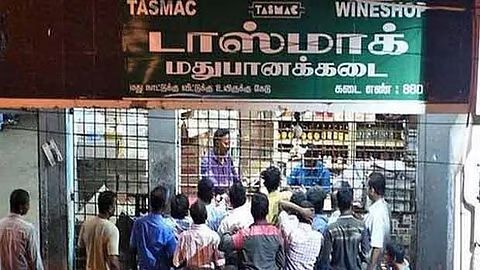
A Chennai consumer rights commission has fined a Tasmac liquor store ₹6,000 for charging ₹10 above the MRP on a bottle of brandy. The ruling reinforces that all retail outlets, including state-run shops, must strictly adhere to printed pricing or face legal penalties for unfair trade practices.
A consumer rights commission has penalized a state-run liquor outlet for an unauthorized surcharge, reinforcing strict retail pricing regulations.
CHENNAI — A state-run liquor outlet managed by the Tamil Nadu State Marketing Corporation (Tasmac) has been ordered to pay ₹6,000 in compensation and costs after being found guilty of overcharging a customer. The ruling, delivered by the District Consumer Disputes Redressal Commission in Chennai, centers on an incident where a store employee charged an additional ₹10 above the maximum retail price (MRP) for a bottle of brandy.
The verdict follows a complaint filed by a local consumer who was charged ₹510 for a bottle of liquor officially priced at ₹500. The legal action highlights ongoing tensions between consumers and retail employees regarding the common practice of adding a small, unauthorized "service fee" at Tasmac-operated shops across the state.
Commission Upholds Fair Pricing
The complainant provided digital evidence, including a receipt and transaction records, to prove that the shop had collected the extra amount. Despite the small sum involved, the consumer rights commission emphasized that the principle of fair pricing and consumer protection takes precedence over the monetary value of the overcharge.
In its judgment, the commission noted that charging more than the printed MRP constitutes an "unfair trade practice" under the Consumer Protection Act. Consequently, the outlet was directed to refund the extra ₹10, pay ₹5,000 as compensation for mental agony, and cover ₹1,000 in litigation expenses.
Regulatory Scrutiny on Tasmac
Tasmac, the sole retailer of alcoholic beverages in Tamil Nadu, has frequently faced public scrutiny over reports of "extra charges" levied by retail staff. While the corporation has officially mandated that no amount over the MRP should be collected, incidents of employees charging a "handling fee"—often ranging from ₹10 to ₹20 per bottle—have remained a persistent issue in various districts.
"According to officials" within the consumer protection department, this ruling serves as a warning to retail staff that even minor instances of overcharging can result in significant legal and financial repercussions. The administration has reiterated its commitment to monitoring retail outlets to ensure compliance with standardized state pricing.
Why It Matters
This ruling is significant for Tamil Nadu’s retail landscape, as it empowers consumers to challenge minor instances of price gouging that are often ignored due to the inconvenience of filing a complaint. For retail businesses and state-run corporations, it reinforces the necessity of strict management oversight to prevent employees from engaging in illicit surcharges. It also serves as a reminder that the Consumer Protection Act is a robust tool for addressing even the smallest instances of market exploitation.
Key Facts at a Glance
Offense: Charging ₹10 above the MRP on a bottle of brandy.
The Penalty: A total of ₹6,000, covering compensation and legal costs.
Legal Basis: Charged as an "unfair trade practice" under the Consumer Protection Act.
Precedent: The case highlights the potential for consumers to hold state-run entities accountable for retail violations.
FAQ
Can Tasmac stores charge extra for cooling or service?
No. Tasmac outlets are legally prohibited from charging anything above the printed Maximum Retail Price (MRP). Any additional fee, regardless of its name, is considered an unfair trade practice.
How can consumers report overcharging at Tasmac?
Consumers can file a complaint with the District Consumer Disputes Redressal Commission or report the incident through the official grievance portals managed by the state government and consumer affairs department.
Why are these small charges significant?
While the amount may seem negligible, such practices represent a violation of the Consumer Protection Act. Legal action discourages systemic corruption at the retail level.
Source: District Consumer Disputes Redressal Commission, Tamil Nadu State Marketing Corporation (Tasmac), The Hindu - Consumer Rights