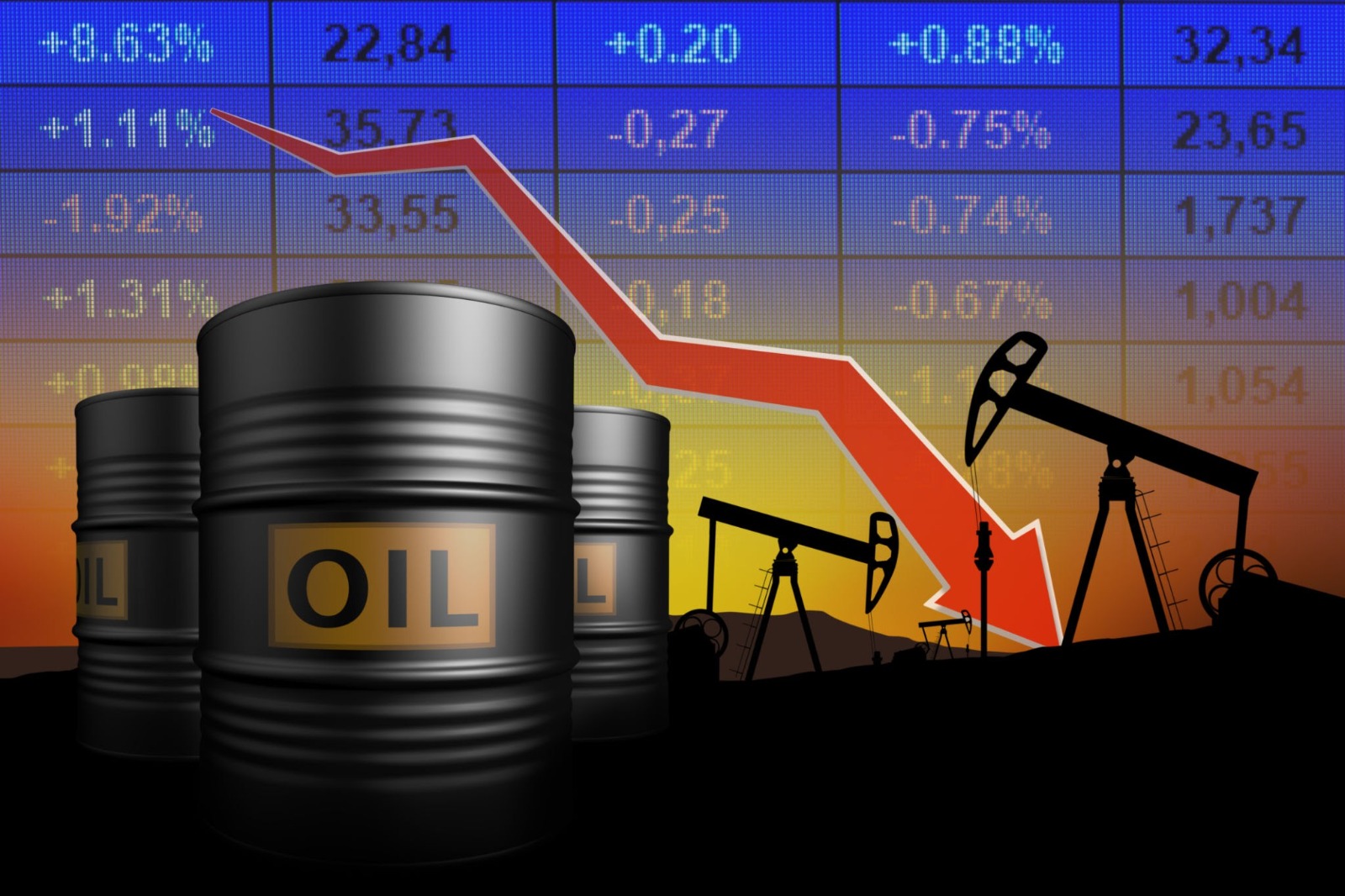
Brent and WTI crude futures extended losses, falling roughly 4% to multi-month lows after U.S. President Donald Trump canceled planned military strikes against Iran. The decision, driven by signs of an imminent diplomatic peace agreement, triggered an immediate sell-off of the market's long-standing geopolitical risk premium across global energy desks.
Global energy markets experienced a sharp downward correction on June 12, 2026, as Brent and WTI crude futures extended losses, falling roughly 4% in extended trading. The steep decline followed an unexpected announcement from Washington that planned military strikes against Iranian targets had been suspended, with diplomatic channels signaling that a comprehensive peace settlement between the United States and Iran is approaching its final stages.
The unwinding of the geopolitical risk premium that has insulated energy prices for months triggered a broad relief rally across global equity markets while pulling crude benchmarks down to their lowest trading thresholds since early spring.
Market Repricing Follows Abrupt Geopolitical Shifts
The contraction across liquid energy complexes erased a substantial portion of the premium embedded since maritime restrictions throttled transit corridors earlier this year. International benchmark Brent crude oil futures plunged 4.2% to slide toward $89.15 per barrel. Concurrently, the domestic U.S. marker, West Texas Intermediate (WTI) crude futures, dropped approximately 3.9% to trade near $86.51 per barrel.
Technical indicators compiled via institutional feeds show both contracts breaking cleanly beneath their respective 4-hour 50-period and 200-period moving averages, which had historically served as critical structural support zones. The rapid price correction accelerated as systematic trading models responded to the shifting diplomatic narrative.
Washington Defers Military Actions to Finalize Terms
The primary catalyst for the sudden market shift occurred late on June 11, 2026, when U.S. President Donald Trump abruptly halted targeted airstrikes on Iranian infrastructure. The operations had been positioned as a direct response to rising friction surrounding maritime transit safety.
Briefing reporters regarding the tactical reversal, executive officials indicated that a diplomatic framework intended to structurally stabilize regional shipping channels was nearing formal execution. The proposed agreement reportedly focuses on the normalized resumption of commercial tanker traffic through the critical Strait of Hormuz chokepoint, alongside verified mutual security guarantees.
While Western capital markets aggressively priced in the de-escalation, local reports within the region maintained a degree of structural caution. Iran’s semi-official Fars news agency reported that while negotiators in Tehran are highly likely to approve the broad parameters of the diplomatic text, formal state sign-offs remain pending as technical delegations review underlying operational clauses.
Impact on Global Consumers, Logistics, and Macro Policy
The 4% drop in the value of baseline energy components offers immediate financial relief to multiple sectors of the global macroeconomy. For consumer markets, a sustained drop in crude futures directly correlates with reduced retail fuel prices, mitigating some of the persistent inflationary pressures that prompted the European Central Bank (ECB) to enact a defensive 25-basis-point interest rate hike earlier this month.
For major energy-importing nations, the downward movement significantly eases fiscal burdens and domestic currency volatility. Industrial logistics companies and commercial airlines also expect to see near-term relief on refining surcharges and wholesale diesel contracts.
However, energy analysts warn that a full restoration of physical supply lines will require considerable time. Even if a comprehensive peace accord is signed over the coming days, commercial shipping fleets must navigate lingering operational hazards, including clearing defense deployment fields and assessing regional port facilities.
Quote Section
Regulatory briefings and statements from administration officials outline the current parameters guiding the sudden shift in foreign policy.
"According to officials familiar with the executive directive, the planned military maneuvers were suspended after receiving direct verifications that the fundamental framework of a cross-border settlement had been approved in principle by all participating parties."
Why It Matters
The rapid correction in Brent and WTI crude contracts demonstrates how quickly modern energy markets strip away geopolitical risk premiums when viable diplomatic paths emerge. Because the Strait of Hormuz controls the daily distribution of more than 15% of global petroleum consumption, even a preliminary halt in hostile actions allows commercial operations to recalibrate pricing models away from defensive scarcity scenarios and back toward underlying physical demand baselines.
Key Facts at a Glance
Market Correction: Brent and WTI crude futures extended losses, dropping approximately 4% in highly active trading.
Geopolitical Catalyst: The sudden price drop followed the cancellation of planned U.S. military actions against Iranian installations.
Diplomatic Objective: Ongoing talks aim to completely reopen the Strait of Hormuz to clear international maritime shipping traffic.
Technical Indicators: Both global crude oil benchmarks broke below their key 4-hour 200-period moving averages, signaling a shift in near-term market momentum.
Frequently Asked Questions
Why did Brent and WTI crude futures extend losses so quickly?
Prices fell sharply because energy markets had built in a significant financial cushion against potential oil infrastructure damage. When the U.S. administration called off planned strikes, traders quickly sold off contracts to remove that built-in risk premium.
Will retail gasoline and diesel prices drop immediately?
Wholesale energy adjustments typically take one to two weeks to filter down to regional retail distribution points, depending on existing inventory levels held by regional suppliers.
Does this mean the global oil supply crunch is completely over?
Not necessarily. While paper futures have reversed lower, the physical restoration of global oil fields, clearing maritime shipping channels, and ramping up idled production to pre-conflict levels could still take several months.
Source: U.S. Energy Information Administration (EIA) Global Oil Market Reports, CME Group Energy Products Desk, Fars News Agency Corporate Intelligence Feed.