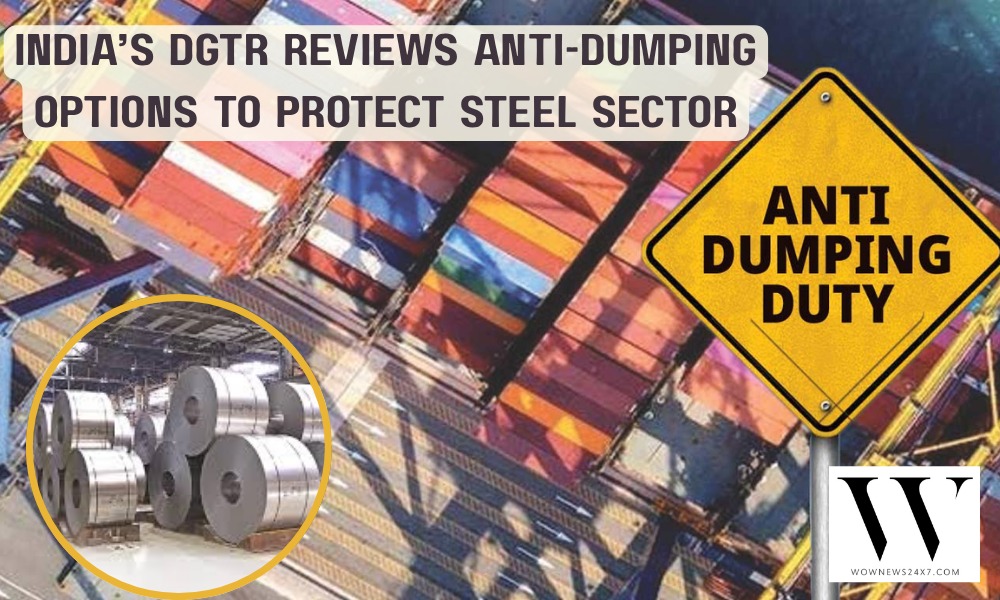
The Indian government is actively considering the imposition of fresh anti-dumping duties and other trade remedies to protect the domestic steel industry from an influx of low-priced imports. As the world’s second-largest crude steel producer, India is increasingly utilizing trade defense mechanisms to provide a level playing field for domestic mills facing heightened competition from global suppliers.
According to trade officials familiar with the discussions, the move follows mounting pressure from domestic manufacturers who have reported that imported steel, particularly from regional trade partners, is being sold at prices that threaten the viability of local production facilities. The Directorate General of Trade Remedies (DGTR) is currently reviewing applications from domestic industry leaders to determine if current import volumes constitute "dumping" under the Customs Tariff Act, 1975.
Strengthening the Domestic Steel Sector
India’s strategy to safeguard its steel manufacturers is part of a broader policy framework designed to foster long-term industrial self-reliance. While the government has previously implemented various protective measures, including Quality Control Orders (QCOs) and targeted duties on specific steel products like seamless tubes and hollow profiles, the current deliberations suggest a more comprehensive approach.
"The government acts as a facilitator by creating a conducive policy environment for the development of the steel sector," noted an official press release from the Ministry of Commerce. "The basic intent of anti-dumping measures is to eliminate injury caused to the domestic industry by the unfair trade practice of dumping."
Industry experts highlight that while major steelmakers have requested government intervention to stabilize prices, the administration is balancing these protective measures with the needs of downstream sectors that rely on affordable raw materials.
Context: A Shifting Global Trade Landscape
The current deliberation over steel duties coincides with a complex global trade environment. India is simultaneously managing trade tensions with the United States, where the USTR has initiated Section 301 investigations into various Indian industrial sectors. Furthermore, India’s domestic steel industry continues to grapple with supply chain fluctuations, including the recent controversy over metallurgical coke imports, where manufacturers have sought duty relief to offset high input costs.
Despite these competing pressures, the DGTR remains focused on its mandate to curb unfair trade practices. By initiating sunset reviews and periodic investigations, the Directorate ensures that protective tariffs—which are typically reviewed every five years—remain effective in shielding domestic firms from predatory pricing by foreign competitors.
"According to officials, the government is monitoring import trends closely and is prepared to implement necessary trade remedies to ensure that the domestic steel sector remains competitive and sustainable in the face of rising global supply," a government spokesperson noted during a recent briefing.
Why It Matters
For stakeholders, including investors and downstream manufacturers, these potential duties signal a tightening of India's import regime. While domestic steelmakers may benefit from reduced price competition, the broader market will be watching to see if these tariffs lead to higher costs for infrastructure projects and the construction sector. As India accelerates its capital expenditure cycle, the balance between protecting domestic manufacturing and maintaining affordable raw material supplies remains a critical economic challenge for the country.
Key Facts at a Glance
Current Policy: India frequently employs anti-dumping duties (ADD) and countervailing duties (CVD) to protect its domestic steel industry.
Review Process: The DGTR conducts sunset reviews and new investigations based on evidence of injury to domestic producers.
Strategic Focus: Protective measures aim to shield domestic steel from unfair pricing while maintaining compliance with World Trade Organization (WTO) standards.
Regulatory Framework: Investigations are conducted under the Customs Tariff Act, 1975, to ensure transparency for global trade partners.
FAQ
What are anti-dumping duties?
Anti-dumping duties are temporary tariffs imposed on imports that are sold at prices lower than their "normal value," causing material injury to a domestic industry.
Why is India considering these new duties?
Domestic steelmakers have flagged concerns regarding a surge in low-cost imports that they believe undermines their competitiveness and operational viability.
How does the government decide when to impose these duties?
The DGTR conducts a formal investigation after domestic producers file a substantiated application. The process includes a thorough analysis of price levels, import volumes, and the economic impact on the local industry.
Do these duties affect all steel imports?
No, duties are typically targeted at specific categories of steel products and specific countries of origin, depending on where the unfair pricing practices are identified.
Source: Directorate General of Trade Remedies (DGTR), Ministry of Commerce & Industry (PIB), The Economic Times, SteelRadar