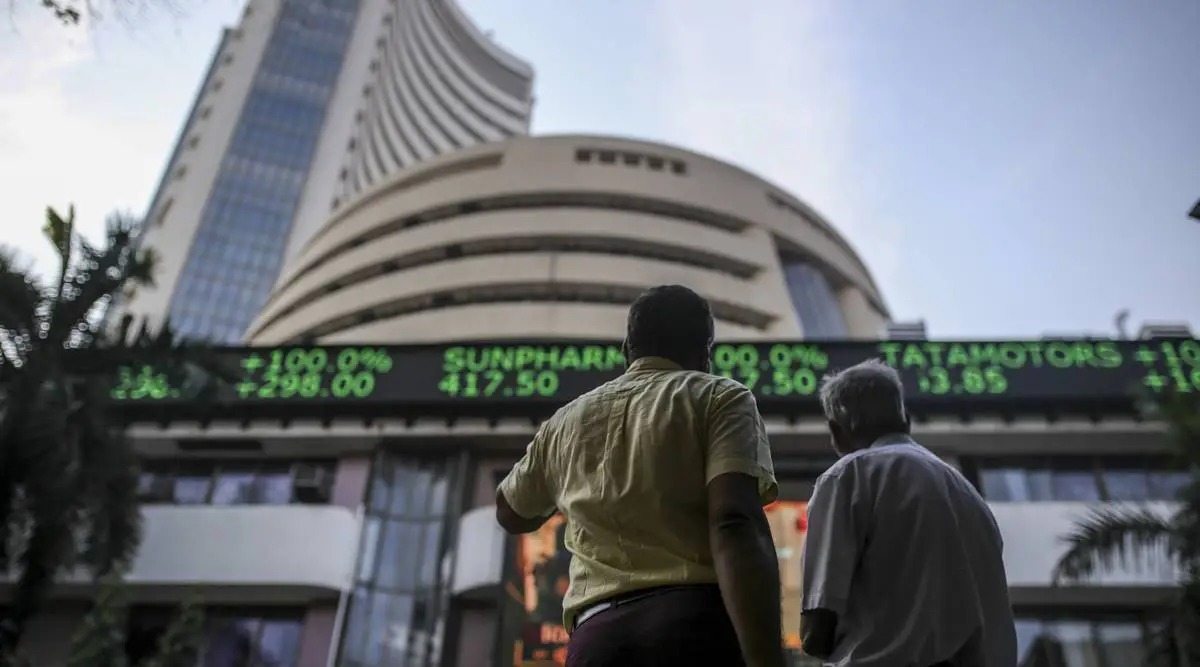
The BSE Sensex rose 1.00% in Mumbai on Friday, July 17, 2026, breaking a multi-day consolidation phase. The index rebound was driven by strong institutional buying across large-cap banking shares, supported by robust domestic credit numbers and clean corporate balance sheets that helped offset international technology market volatility.
MUMBAI — India's benchmark equity index recorded a strong upward movement during morning transactions on Friday, July 17, 2026. According to real-time transactional feeds from the exchange floor, the BSE Sensex rose 1.00% to reclaim key technical support zones, reversing a series of range-bound daily sessions.
The intraday buying momentum developed as institutional fund managers aggressively accumulated high-volume financial, consumer retail, and energy conglomerates. The strong market shift follows a public broadcast by the central bank affirming the structural health of the country's external sector. The broad-based rally on the Bombay Stock Exchange (BSE) has helped shield domestic investor portfolios against shifting tech valuations across East Asian equity markets.
Heavyweight Financials Anchor the 1% Intraday Surge
The primary factor driving the positive turn in the BSE Sensex is a wave of buying across large-cap commercial banks. Heavyweight counters, including HDFC Bank, ICICI Bank, and State Bank of India (SBI), advanced simultaneously during the morning session, contributing more than half of the index's total point gain.
Equity derivatives strategists note that the index successfully defended its 100-day simple moving average during early matching operations. This technical rebound triggered automatic buy orders from algorithmic trading desks, pushing the BSE Sensex up by a full percentage point. This recovery has offset localized selling in export-dependent software service firms, which have faced shorter term revenue visibility concerns due to shifting corporate spending patterns in North American markets.
Robust Credit Metrics Fuel Investor Risk Appetite
Beyond short-term technical indicators, long-term institutional buying is supported by strong internal economic metrics. Market participants cited recent data from the banking regulator showing a double-digit expansion in system-wide credit growth, which remains highly satisfactory across key manufacturing and infrastructure corridors.
Unlike previous market cycles where rapid lending caused an increase in bad loans, India's corporate sector currently maintains clean balance sheets. State and private sector banks are reporting historically low gross non-performing asset (GNPA) ratios alongside high capital adequacy metrics. This combination has encouraged foreign portfolio investors (FPIs) to increase their allocations in domestic financial assets, providing a steady stream of capital that supports the rupee and helps the BSE Sensex outperform regional emerging market peers.
Official Sources Section
All equity benchmarks, percentage variations, trading volumes, and company index weights are documented using live transaction registries published by the BSE Limited and cross-verified against corporate disclosures submitted to the Securities and Exchange Board of India (SEBI).
Quote Section
"According to officials at domestic institutional brokerage operations, the market's recovery shows strong local liquidity support," a senior technical analyst at an international investment house stated. "While external indicators remain volatile due to oil market adjustments, the clean asset quality across our banking system makes large-cap value stocks very resilient at current levels."
Why It Matters
The 1% rise in the BSE Sensex introduces practical implications across multiple economic sectors:
For Short-Term Derivative Traders: The swift 1% advance triggers a squeeze on short positions, forcing option writers to cover their exposures across nearby strike prices.
For Retail Mutual Fund Investors: Because large-cap financials carry heavy weightings in mainstream equity funds, the rebound directly supports regular net asset value (NAV) improvements for everyday savers.
For Corporate Capital Planners: Renewed stock market strength provides a stable backdrop for companies planning initial public offerings (IPOs) or secondary share sales to fund infrastructure projects.
Key Facts at a Glance
Index Momentum: The BSE Sensex rose 1.00% intraday, breaking out of a multi-day horizontal trading band.
Lending Support: Strong double-digit expansion in commercial credit growth continues to improve long-term interest income outlooks.
Technical Setup: The index successfully bounced off its 100-day simple moving average, bringing in algorithmic buying.
Asset Health: Private and public sector banks continue to report historically low non-performing asset (NPA) percentages.
FAQ Section
What triggered the 1% rise in the BSE Sensex today?
The advance was primarily driven by targeted institutional accumulation of large-cap banking and energy stocks, supported by positive long-term credit growth data and technical moving average defenses.
Which sectors contributed the most to the index recovery?
The financial and banking sectors led the gains, with significant volume support from major energy firms, which helped balance out light profit-taking in the technology sector.
How are foreign institutional investors (FIIs) reacting to the current market trend?
FII allocations remain steady, with international capital concentrating in large-cap value stocks due to low non-performing asset levels and reliable domestic economic growth.
Source: BSE Limited Official Portal, Securities and Exchange Board of India (SEBI), Reserve Bank of India Macroeconomic Supplements, Bloomberg Financial Consensus Tables.