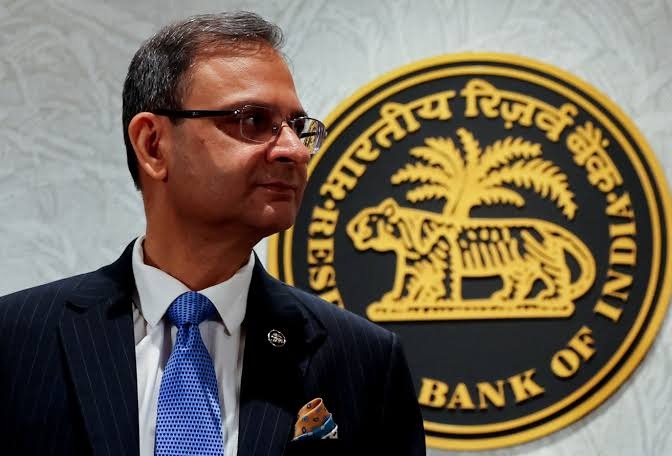
The Reserve Bank of India has confirmed that domestic commercial banks are fully on track to implement the revised Basel III guidelines by the start of the next financial year. This strategic rollout strengthens capital adequacy, optimizes risk weights, and ensures long-term stability across India's banking sector.
Indian commercial banks remain fully on track to implement the upcoming Basel III guidelines starting from the beginning of the next financial year.
Overview
The central banking authority of India has confirmed that domestic commercial lenders are securely positioned to adopt the next phase of international capital regulations on schedule. Speaking on banking sector resilience, the leadership of the Reserve Bank of India (RBI) noted that scheduled commercial banks have met all preparatory milestones to deploy the revised Basel III framework. The regulatory update aims to align domestic financial institutions with rigorous global standards for capital adequacy, liquidity management, and risk mitigation.
The announcement comes at a time when Indian lenders are reporting robust balance sheets, characterized by low non-performing asset (NPA) ratios and healthy provision coverage. Financial analysts and industry stakeholders have closely monitored these preparations, as the structural alignment strengthens systemic shock absorption capacity across both public and private sector banks.
Capital Adequacy and Risk Weights Framework
According to regulatory disclosures from the Reserve Bank of India (RBI), the revised guidelines incorporate optimized risk weights for key segments, including micro, small, and medium enterprises (MSMEs) and residential housing loans. These adjustments are designed to rationalize capital preservation demands while maintaining core solvency metrics, such as the Common Equity Tier 1 (CET1) ratio.
Financial sector experts indicate that the updated standardized approach for credit risk will allow institutions to optimize capital allocations efficiently. Lenders have spent the past several quarters upgrading internal capital adequacy assessment processes (ICAAP) and automated stress-testing architectures to ensure seamless compliance without hampering credit growth to productive sectors of the economy.
Impact on Borrowers, Banks, and Investors
For retail and corporate borrowers, the smooth rollout of these international banking standards translates to a stable and resilient credit environment capable of supporting long-term economic expansion. Investors tracking banking equities can anticipate enhanced transparency and improved risk-adjusted returns, as well-capitalized institutions face fewer regulatory headwinds during economic cycles. Furthermore, domestic banks are better positioned to support large-scale corporate financing and infrastructure investments without straining their balance sheets.
Official Sources Section
Information regarding the implementation schedule, capital ratios, and regulatory guidelines is sourced directly from official statements, monetary policy announcements, and circulars issued by the Reserve Bank of India (RBI), alongside updates from the Ministry of Finance.
"According to officials, the phased alignment with global capital standards ensures that India's financial architecture remains robust, transparent, and resilient against external macroeconomic shocks."
Why It Matters
The timely adoption of global banking norms safeguards India's financial system against systemic vulnerabilities and enhances international confidence in domestic institutions. By maintaining strong capital buffers, banks can sustain steady credit flows to vital economic sectors even during periods of global market volatility.
Key Facts at a Glance
Regulatory Authority: Reserve Bank of India (RBI).
Implementation Milestone: Revised Basel III guidelines set to roll out at the start of the upcoming financial year.
Key Focus Areas: Capital adequacy, risk weight optimization for MSMEs and housing, and enhanced liquidity standards.
Core Objective: Strengthening systemic stability and aligning domestic banks with international Basel Committee standards.
Frequently Asked Questions
1. What are the Basel III guidelines for banks?
Basel III is a globally agreed-upon set of measures developed by the Basel Committee on Banking Supervision to strengthen the regulation, supervision, and risk management of the banking sector.
2. How will the new guidelines impact commercial banks in India?
The guidelines require banks to maintain higher quality capital buffers and stricter liquidity ratios, which ultimately enhance their resilience against financial stress.
3. When do the revised framework rules take effect?
The implementation is scheduled to roll out officially from the beginning of the upcoming financial year.
4. Where can I read official regulatory updates on banking norms?
Official notifications, circulars, and monetary policy statements are publicly accessible via the Reserve Bank of India (RBI) portal.
Source: Reserve Bank of India (RBI), Ministry of Finance, and Basel Committee on Banking Supervision (BCBS) documentation.