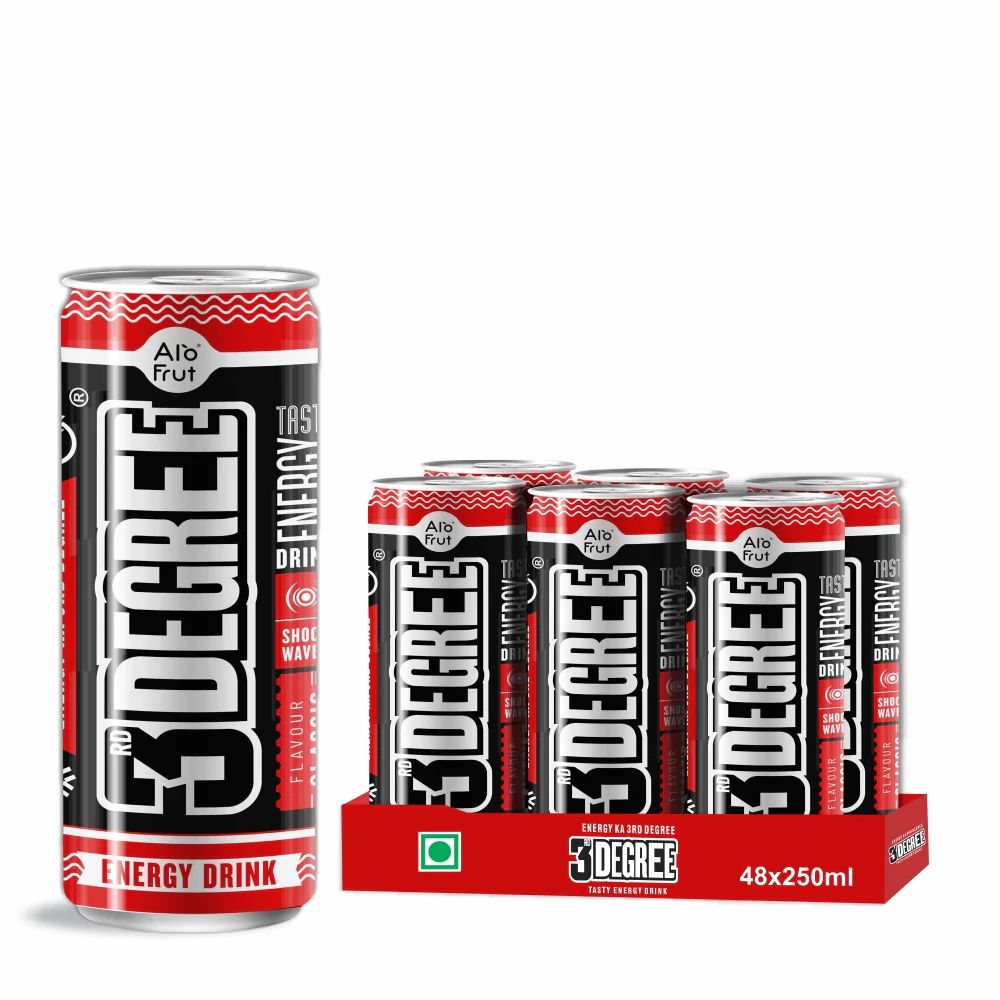
India's food regulator, the FSSAI, has issued notices to major beverage brands for misbranding products as "energy drinks." These drinks, typically containing 80 mg of caffeine and 27 grams of sugar per 250-ml serving, now require strict labeling and are facing sales bans near school premises due to health concerns.
Regulatory scrutiny intensifies as food authorities flag concerns over high caffeine, sugar levels, and misleading marketing in popular beverages.
NEW DELHI — The widespread consumption of popular beverages often marketed as "energy drinks" is facing a significant regulatory reckoning in India. As of July 2026, the Food Safety and Standards Authority of India (FSSAI) has intensified its oversight, issuing notices to major beverage companies for alleged misbranding and the use of unsubstantiated health claims. These developments have brought the nutritional profile of these 250-ml canned drinks—typically high in caffeine and sugar—to the forefront of public health discourse.
For millions of young consumers, these drinks are staples for alertness and focus. However, health experts and regulators are warning that the actual content of these products, often combined with aggressive marketing, may mask significant health risks, particularly for minors.
Caffeine and Sugar: A Potent Mix
A standard 250-ml serving of a typical caffeinated beverage in this category generally contains approximately 80 mg of caffeine. While this amount is roughly equivalent to a standard cup of home-brewed filter coffee, the concentration and additives in carbonated, high-sugar formats can significantly alter their metabolic impact.
Sugar levels remain a primary concern, with many popular 250-ml options containing approximately 27 grams of sugar. This quantity accounts for a substantial portion of the daily recommended intake of added sugars for most adults, as outlined by global health organizations. The rapid absorption of these sugars, when paired with high-dose stimulants, has drawn criticism from pediatricians and nutritionists who argue that the drinks provide a "caffeine-sugar spike" followed by a metabolic crash, which can be detrimental to long-term health.
The Regulatory Crackdown
The FSSAI has recently clarified that there is no official category for "energy drinks" under the Food Safety and Standards Regulations, 2011. Consequently, companies cannot legally market their products using functional or therapeutic claims like "boosting energy," "enhancing focus," or "aiding general weakness."
In a move to protect school-aged children, the Maharashtra Food and Drug Administration (FDA) has also directed local authorities to prohibit the sale of such products within a 500-meter radius of school campuses. State officials have emphasized that the high stimulant content is not suitable for minors, and school principals have been tasked with ensuring that these products are not sold on or near school premises.
Impact on Consumers and Market Compliance
The industry is now facing a mandatory labeling overhaul. Manufacturers are required to prominently display the caffeine content per serving and include clear warnings, such as:
"Not suitable for children, pregnant women, and persons sensitive to caffeine."
"Not for sale to persons below 18 years."
"Consume in moderation."
For investors and consumers, this regulatory shift indicates a maturation of the Indian food safety ecosystem. Companies are now being forced to pivot from marketing their products as "functional" health aids to accurately reflecting their status as carbonated, caffeinated beverages.
Why It Matters
This regulatory push is a reaction to the rapid rise in the consumption of high-caffeine products among youth. For parents and students, the heightened scrutiny serves as a vital reminder that these beverages carry health risks—ranging from sleep disruption and increased heart rate to metabolic imbalances—that are often obscured by colorful branding and "energy-boosting" promises.
Key Facts at a Glance
Average Caffeine: Approximately 80 mg per 250-ml can.
Average Sugar: Approximately 27 grams per 250-ml can.
Regulatory Status: FSSAI does not officially recognize "Energy Drink" as a product category.
Safety Mandates: Labels must now include age restrictions (18+) and clear warnings for pregnant and sensitive individuals.
Enforcement: Maharashtra has banned the sale of these drinks within 500 meters of school campuses.
FAQ
Why is the FSSAI flagging these drinks?
The regulator is objecting to "misbranding" and functional claims like "boosting energy" or "enhancing focus," which are not permitted for food products.
Are these drinks safe for daily consumption?
Health organizations suggest that while moderate caffeine (up to 400 mg/day for adults) is generally safe, the high sugar content and the specific combination of stimulants in these drinks can lead to negative side effects like anxiety, insomnia, and metabolic issues.
What should I look for on the label?
Consumers should check for the total caffeine content per serving and look for mandatory warnings regarding age restrictions and moderation.
Source: Times of India, Economic Times, FSSAI Official Portal