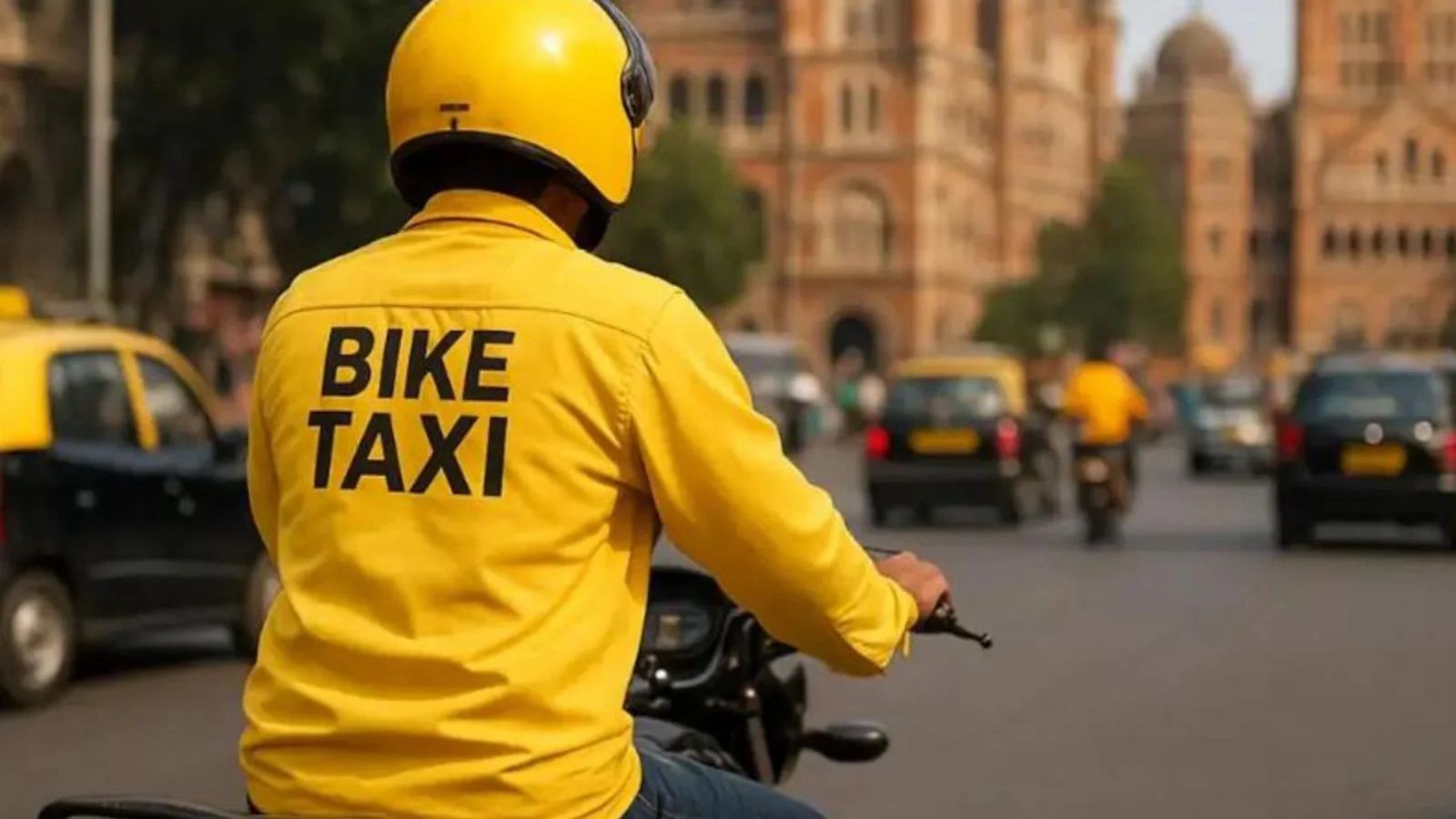
Starting August 1, 2026, Maharashtra will legalize and regulate app-based bike taxis under a new permit system. The policy mandates domicile certificates for drivers, introduces a ₹5 daily operator fee, and establishes a 2% welfare levy per ride to formalize the gig economy and enhance passenger safety standards
Maharashtra will legalize app-based bike taxi services starting August 1, 2026, introducing a structured permit system, driver welfare funds, and mandatory local residency requirements.
MUMBAI — The Maharashtra government has announced a comprehensive regulatory framework to formalize the state's app-based bike taxi sector, ending months of legal ambiguity and enforcement crackdowns. Transport Minister Pratap Sarnaik confirmed in the Legislative Assembly on Tuesday that, effective August 1, 2026, bike taxi operations will be brought under a new legal permit system designed to ensure passenger safety, generate state revenue, and provide social security for gig workers.
For millions of commuters who rely on bike taxis for last-mile connectivity, the move represents a significant shift from the state's previous stance, which had involved aggressive enforcement actions against aggregators like Rapido, Ola, and Uber. By integrating these services into a formal licensing structure, the government aims to curb unauthorized operations while creating a standardized environment for both riders and drivers.
New Rules for Operators and Drivers
Under the forthcoming policy, the state has introduced several stringent requirements for those operating in the sector. To obtain a permit, drivers must now hold a valid Maharashtra domicile certificate, a commercial driving licence, and a Public Service Vehicle (PSV) badge. Furthermore, mandatory police character verification will be required before any driver is cleared to operate.
A key feature of the new framework is its focus on financial sustainability and driver welfare. Aggregators will be required to pay a daily operator fee of ₹5 to the state government. Additionally, a 2% levy—or ₹2 per ride—will be contributed to a state-administered welfare fund. Minister Sarnaik emphasized that this fund is intended to provide social security and benefits to the workforce associated with both bike taxis and four-wheeler aggregator platforms.
Streamlining Licensing and Safety
The government’s decision to mandate a domicile certificate for driving licence applicants is part of a broader overhaul aimed at streamlining the licensing process across Maharashtra. Minister Sarnaik clarified that while the transport sector is being liberalized, it will remain strictly regulated. The Maharashtra Bike Taxi Rules, 2025, include specific protocols for the safety of women, students, and minors, which aggregator companies must implement within their apps.
Official data highlights the scale of the challenge: between April 2025 and March 2026, authorities detected over 800 vehicles operating illegally and collected ₹16.25 lakh in fines. The new August 1 mandate aims to replace this cycle of enforcement with systematic oversight, allowing the state to capture revenue that had previously bypassed the exchequer.
Why It Matters
The legalization of bike taxis serves as a critical step in managing urban mobility in congested cities like Mumbai, Pune, and Nagpur. For commuters, a regulated network offers a safer, more reliable transit option. For the government, the introduction of a daily fee and a welfare cess formalizes a massive segment of the gig economy that had previously operated in a legal gray area, ensuring that drivers—who are the backbone of this service—receive formalized social protections.
Key Facts at a Glance
Official Launch: Bike taxi permits will be issued starting August 1, 2026.
Domicile Requirement: A Maharashtra domicile certificate is mandatory for all bike taxi operators.
Financial Structure: Operators must pay a daily fee of ₹5 to the state, plus a 2% levy per ride toward a dedicated driver welfare fund.
Safety Mandates: All drivers must possess a PSV badge and pass police character verification.
Eligibility: Drivers must have a commercial driving licence under the Motor Vehicles Act, 1988.
FAQ
What happens to drivers who do not have a domicile certificate?
The new policy mandates that only those holding a Maharashtra domicile certificate can obtain the necessary permits to operate a bike taxi.
Are these rules only for bike taxis?
No, the domicile requirement is part of a wider push to streamline driving licence applications across all commercial passenger vehicle segments, including aggregator cabs.
Why did the government decide to collect a welfare cess?
The 2% levy on fares is designed to provide social security, health, and welfare benefits to gig workers who have traditionally lacked employment protections.
Source: The Indian Express, Times of India, Economic Times